Welcome to the Travel Knowledge series, where we explain some of the interesting facts and crafts we stumble upon during our travels to different places!
In this article, we are exploring a basic understanding of urushi and wakasa-nuri, lacquerware and chopsticks.
The Travel Knowledge Series
Urushi Lacquerware,
Chopsticks of Wakasa
Dear Readers,
Upon our random visit to Obama City in Fukui prefecture in October of 2025, we found out a little about their famous craft of Japanese-made chopsticks, which had led us to write this article.
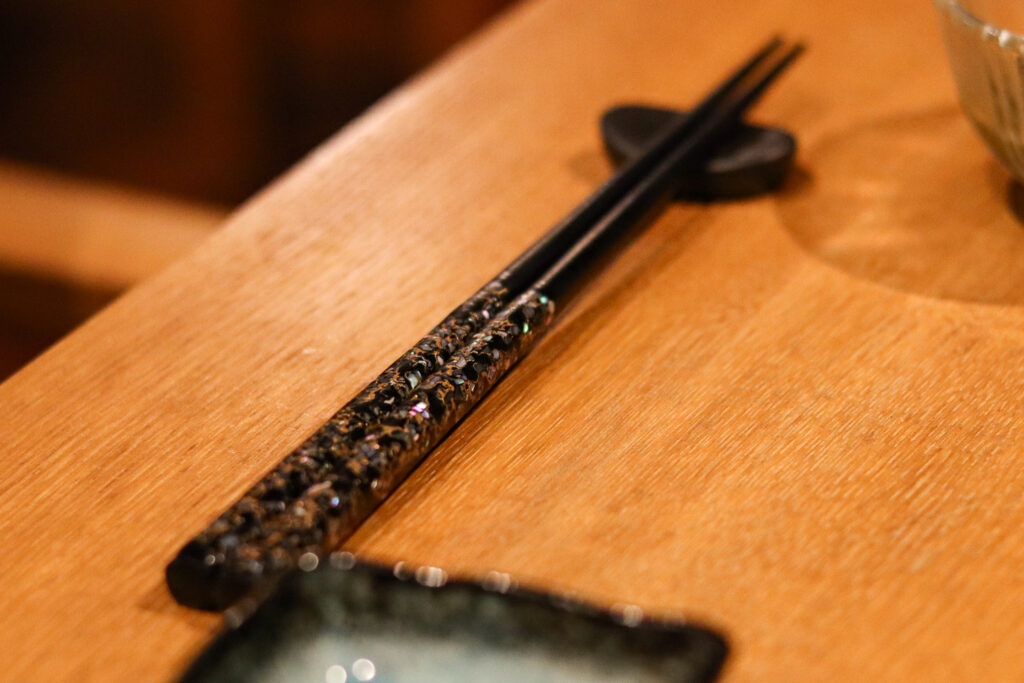
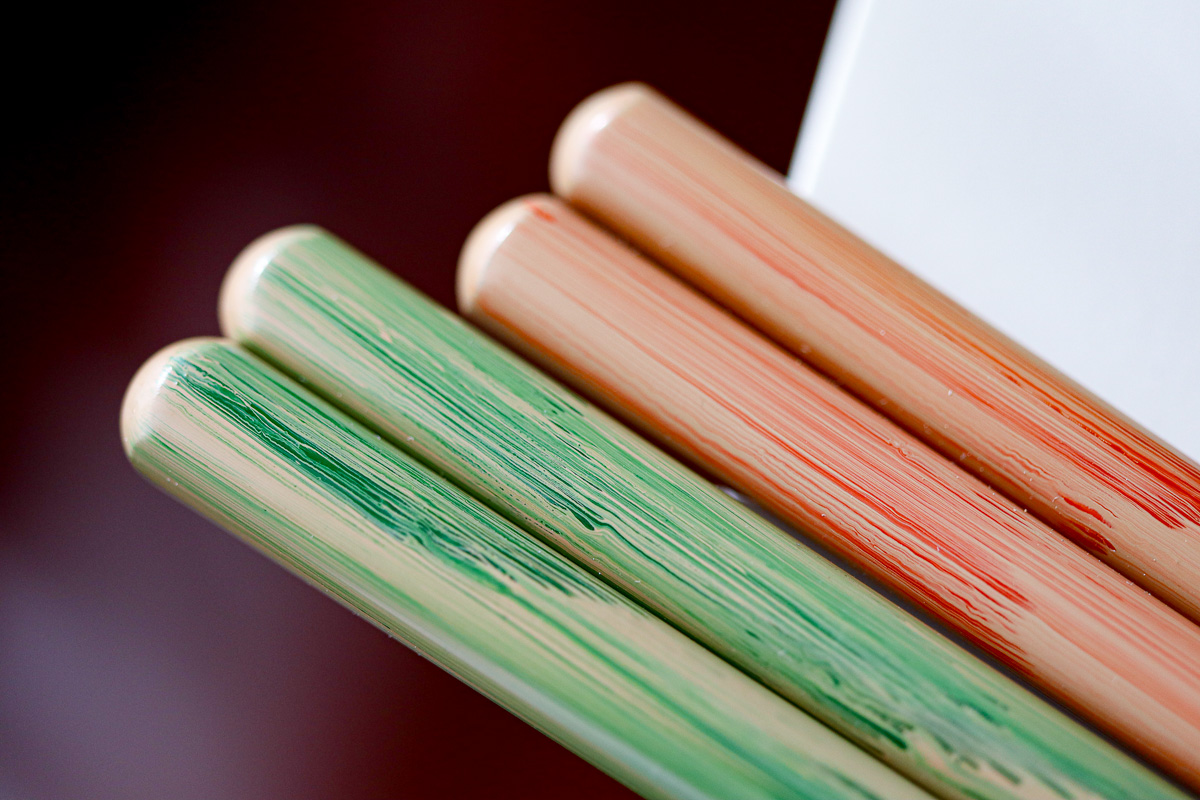
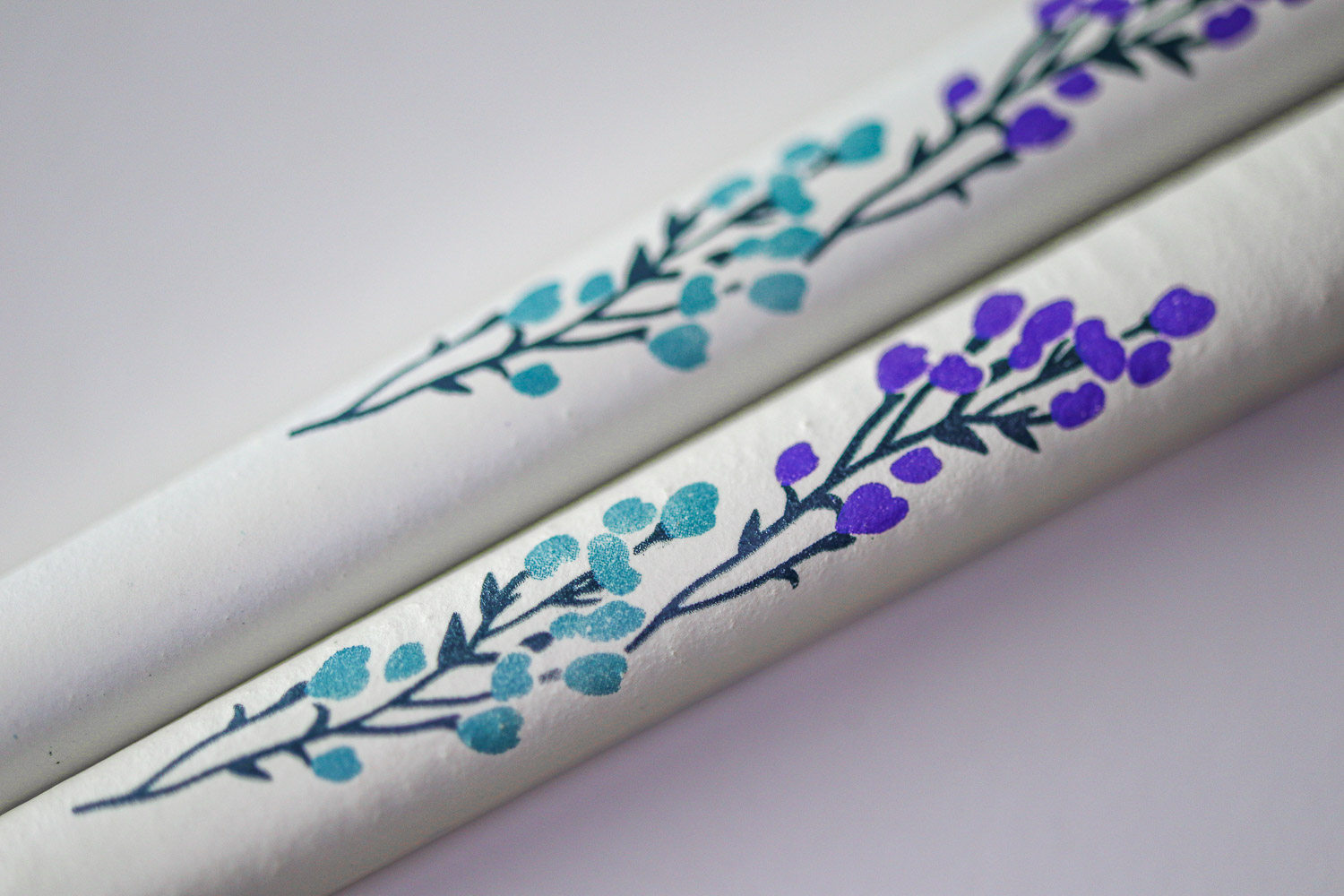
Obama City, Fukui, Japan, is known as the top producer of Japanese-made chopsticks, with around 80% originating from the city, and among the chopsticks, a style that stood out as one of their specialty is Wakasa-Nuri: a style of lacquerware originating in Wakasa that utilize techniques to embed materials like seashells and gold leaf within its layers of lacquer, creating patterns and shapes like flowers or those resembling animals like cats or rabbits. A form of traditional art.
The Techniques Behind Urushi: More Than Just a Lacquer
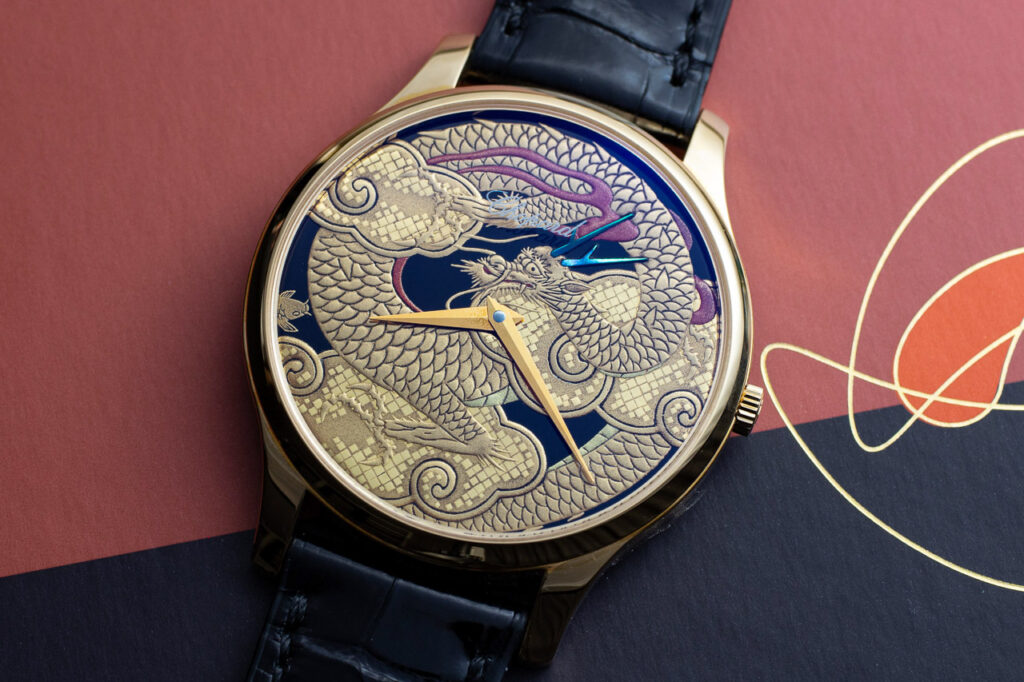
To better understand wakasa-nuri, we will first explain a bit more about lacquerware and lacquered chopsticks in general, of which the latter is what they are most famous for in the city of Obama. The Japanese have a lacquer called Urushi, which is also the name of the tree whose sap has been harvested to produce the lacquer used mainly in lacquerware like tableware, decorative aspects of furniture, or a form of art piece, and, in modern times, even watch dials. A traditional laquering that has been used since prehistoric times.
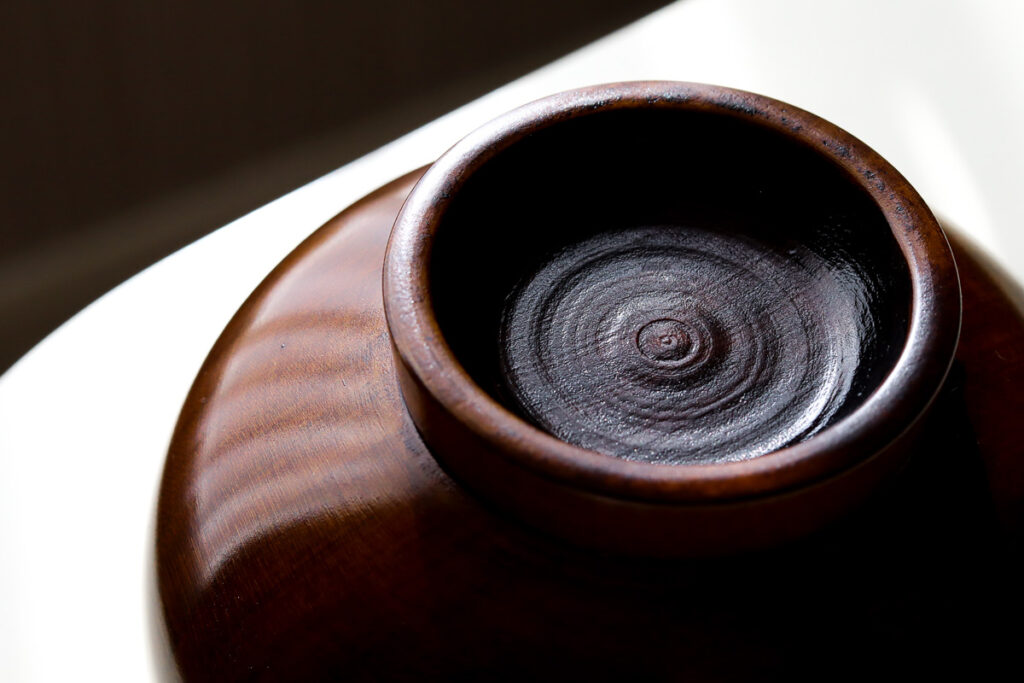
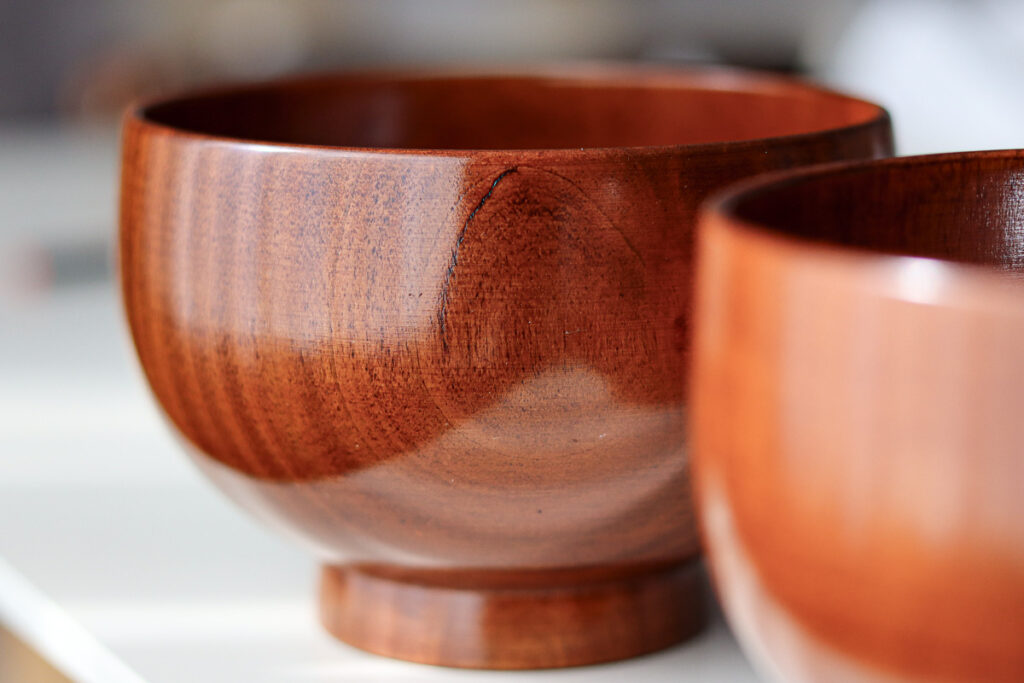
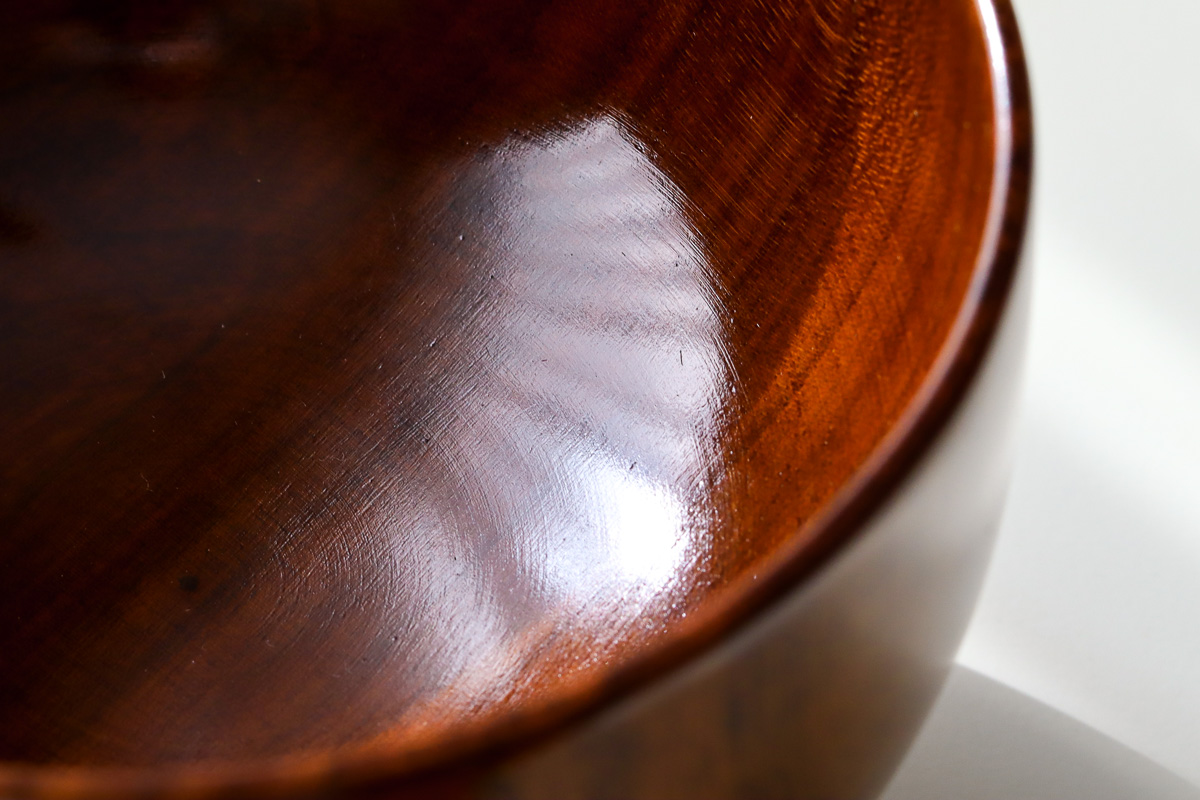
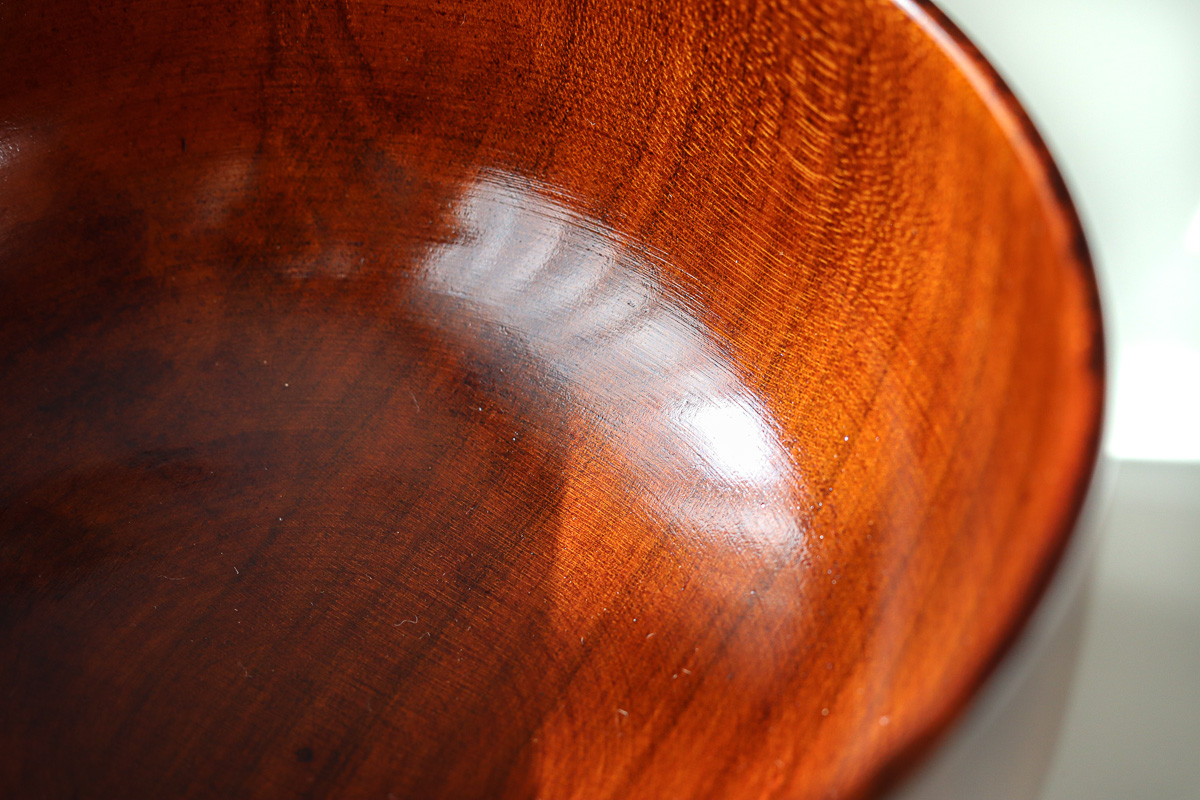
In the images above the craftsman uses a technique called Fuki-Urushi: applying and wiping off the urushi and repeating the process over and over to unveil the natural pattern of the wood and add a glossy finish to the bowl.
In simplified terms, after applying layers of coating and leaving them to dry, cure, and polish, a glossy finish will appear, which will also help preserve the original material used, like wood, acting like a protective skin, for water and heat, as well as acting as a decorative form. The traditional lacquer technique is also respected as a form of art, hand-crafted by an artisan. In the picture above, the bowls are crafted from sakura tree wood and coated in Urushi lacquer by a local craftsman who did everything himself, from cutting down the tree, hand-made from start to finish, which, upon inquiring, takes around a whole year until the finished bowl we see in the photo above.
Think of an enamel dial famously used in Europe in many fine watchmaking and art, which requires many layers of silica powder, burned in a furnace, and various techniques used, from Grand feu to miniature painting. An Urushi has also recently gained more reputation for itself in dial making, although it may not possessed as high a defect rate as an enamel dial, it is a sophisticated traditional technique that is tedious and precise, which produces a unique charisma and story to the final piece. This dial perfectly showcased what kind of art a skilled Urushi artist with the proper technique can produce.
Wakasa Nuri: The Famous Craft of Obama
As briefly explained above, Wakasa-nuri, or lacquerwear of Wakasa, is a style of crafts from the Wakasa region that is famous for techniques that embed gold and silver leaf, mother-of-pearl, and some other materials or colored lacquer between the layers of lacquer coating to add the elements of decoration to the lacquer coating. This traditional technique has been passed down since the 1600s, inspired by the Chinese laquerwear in that period, and originated as wakasa-nuri in the city of Obama, which continues its legacy to this day.
In broader terms, Wakasa-nuri just translates to lacquerwear of Wakasa, but in there it encompasses many techniques that better define each craft style; for example, Makie, Raden, Rankaku, or a part of the refining process like togidashi. For those who are interested, we recommend reading about these techniques and more!
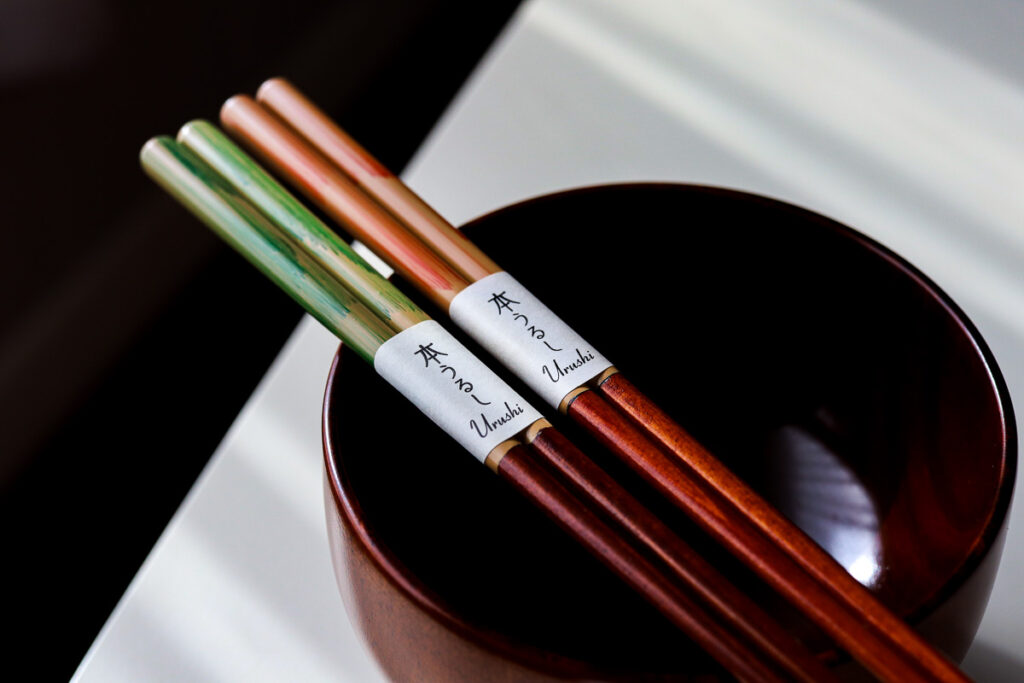
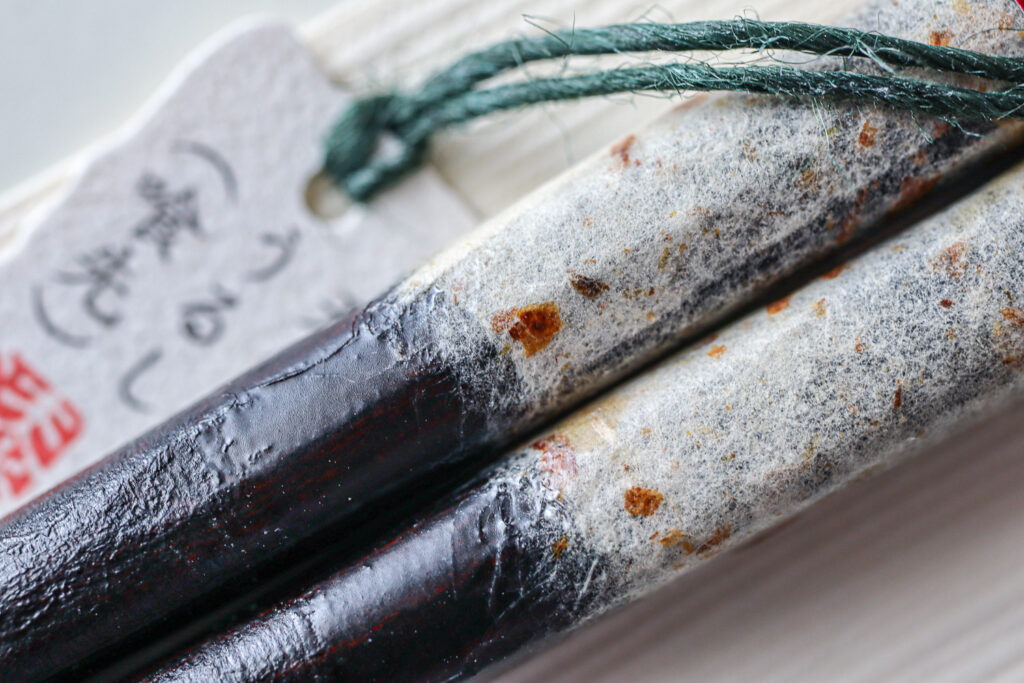
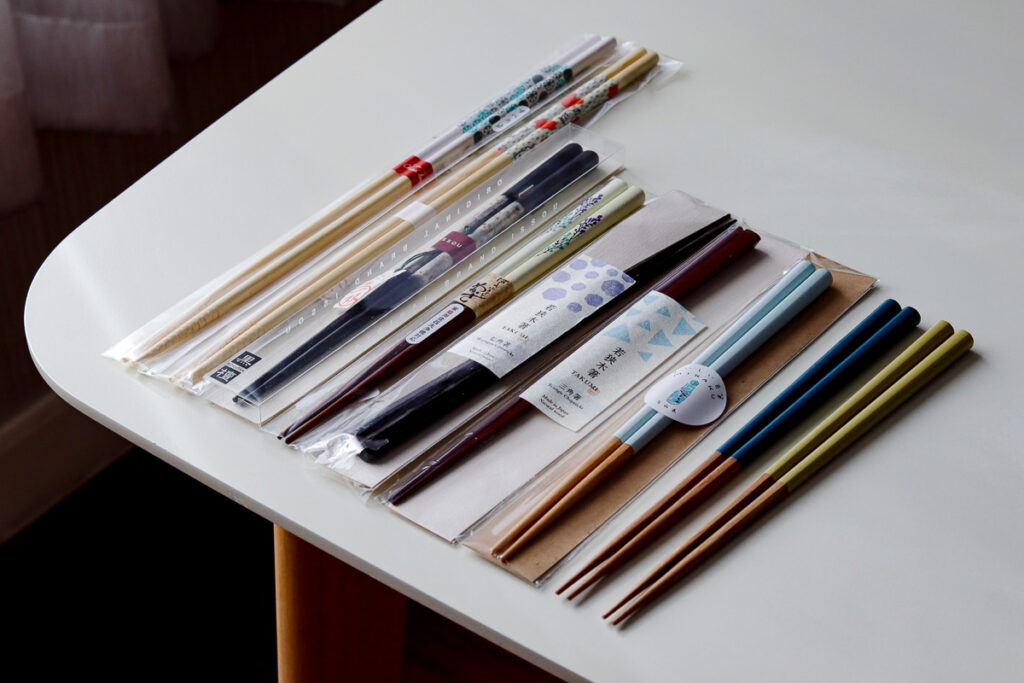
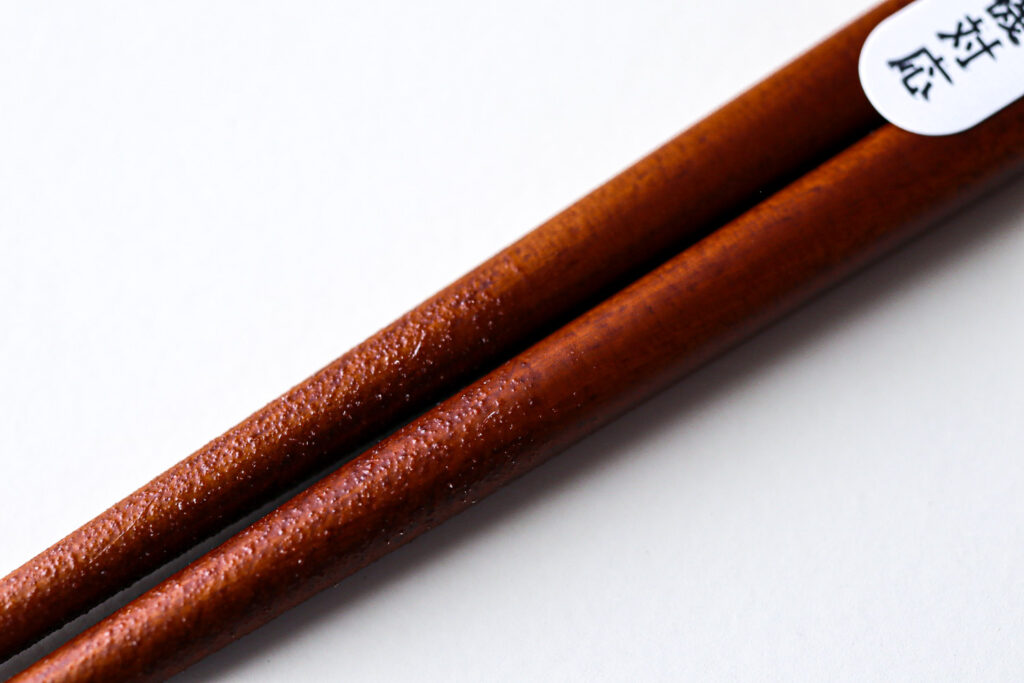
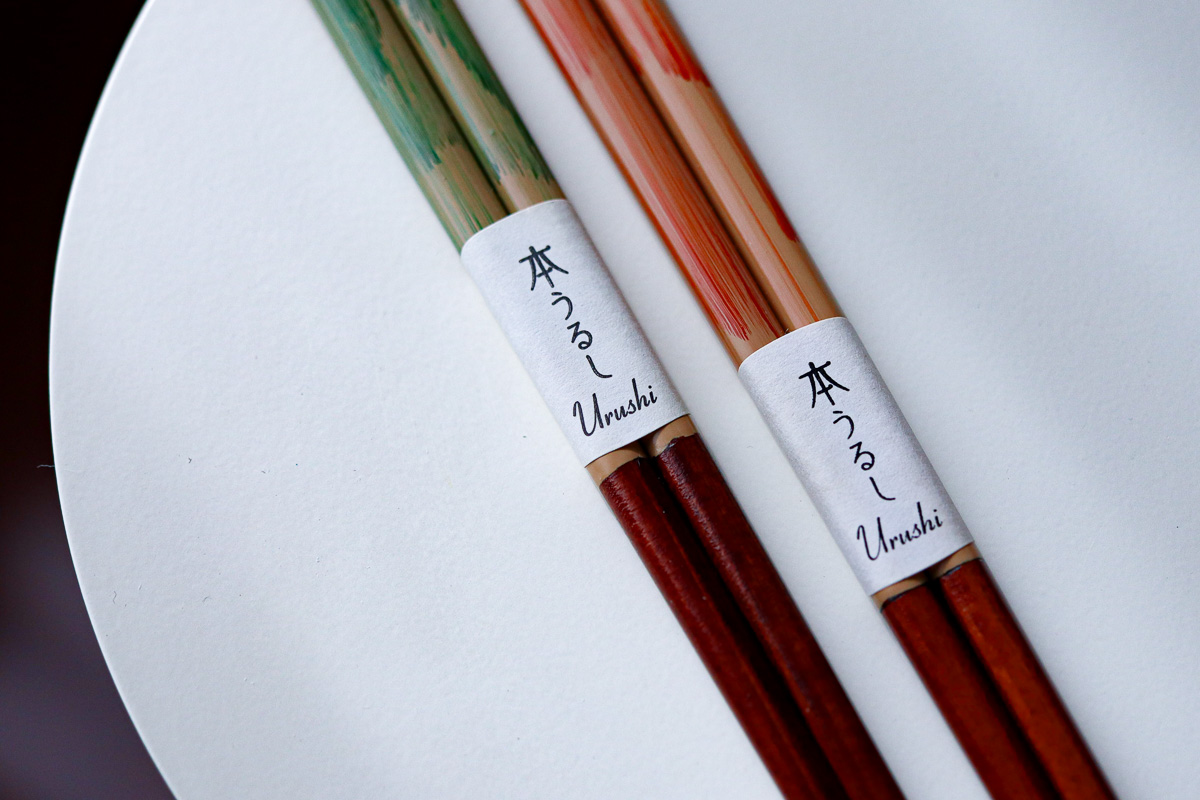
Traditionally, a wakasanuri lacquerware and chopsticks will use urushi as the lacquer; however, in modern times, not all wakasanuri chopsticks are produced using urushi, and some mass-production may use modern lacquer instead. Thus, if you are looking for a Wakasa-nuri chopstick upon your visit to Obama, a token of quality when you are choosing which one to buy is to look at a label, or mention somewhere on the package that says urushi (うるし)(漆)、to help ensure that what you bought is a quality item made by an artisan. An even better mark of quality is to look for a well-known name.
Obama City Urushi chopsticks and interesting facts!
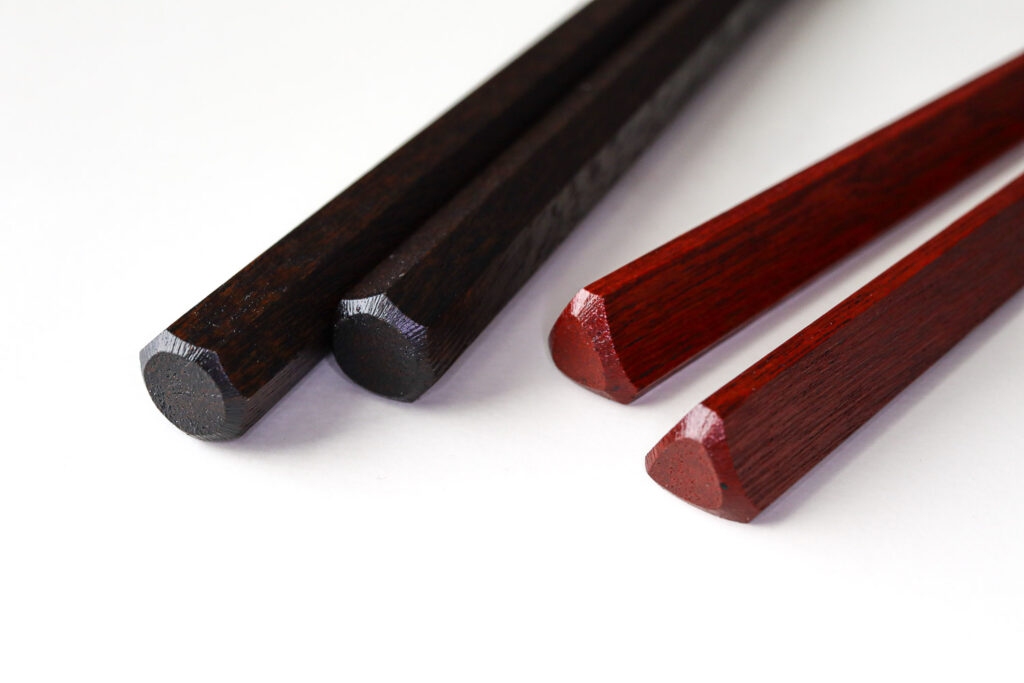
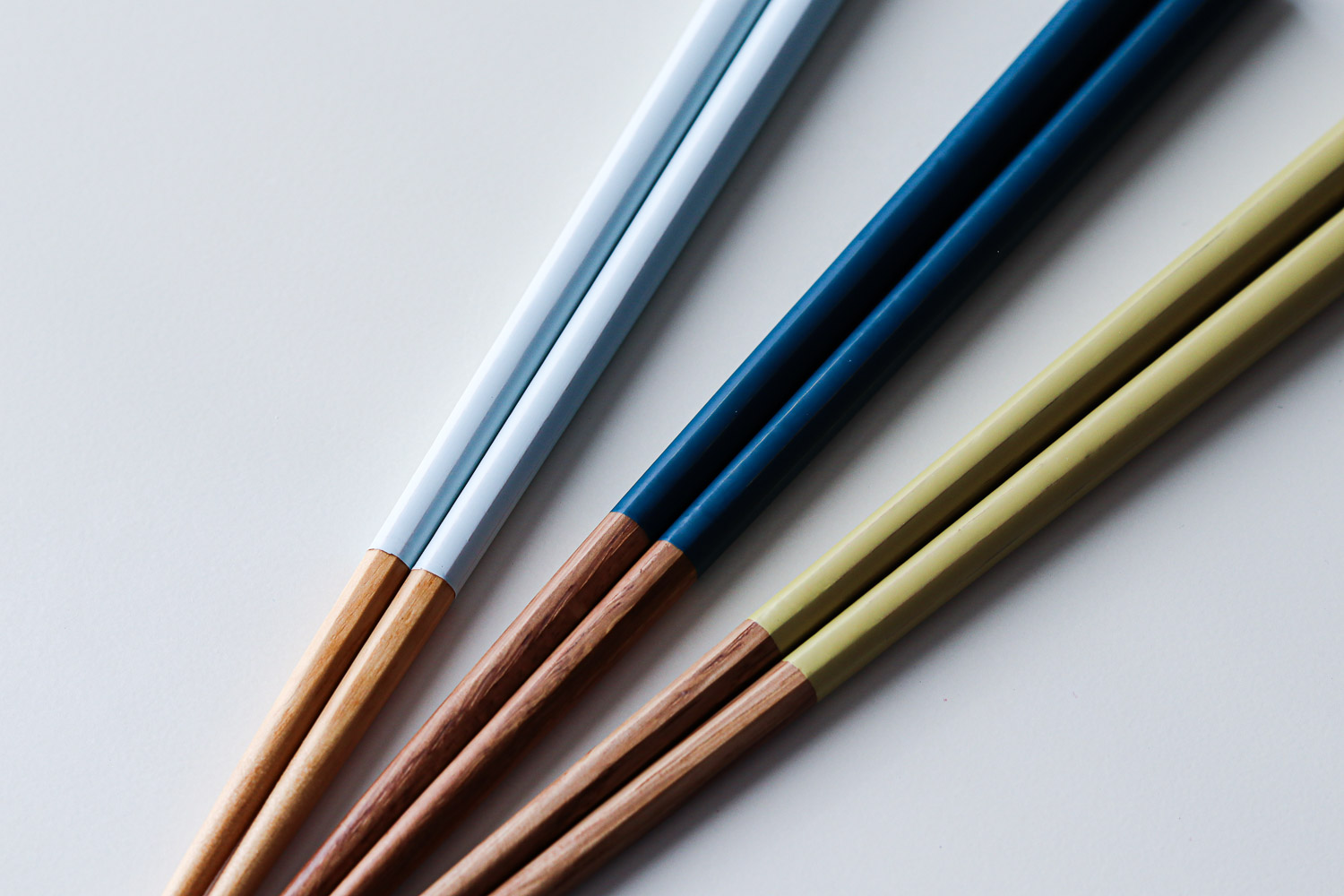
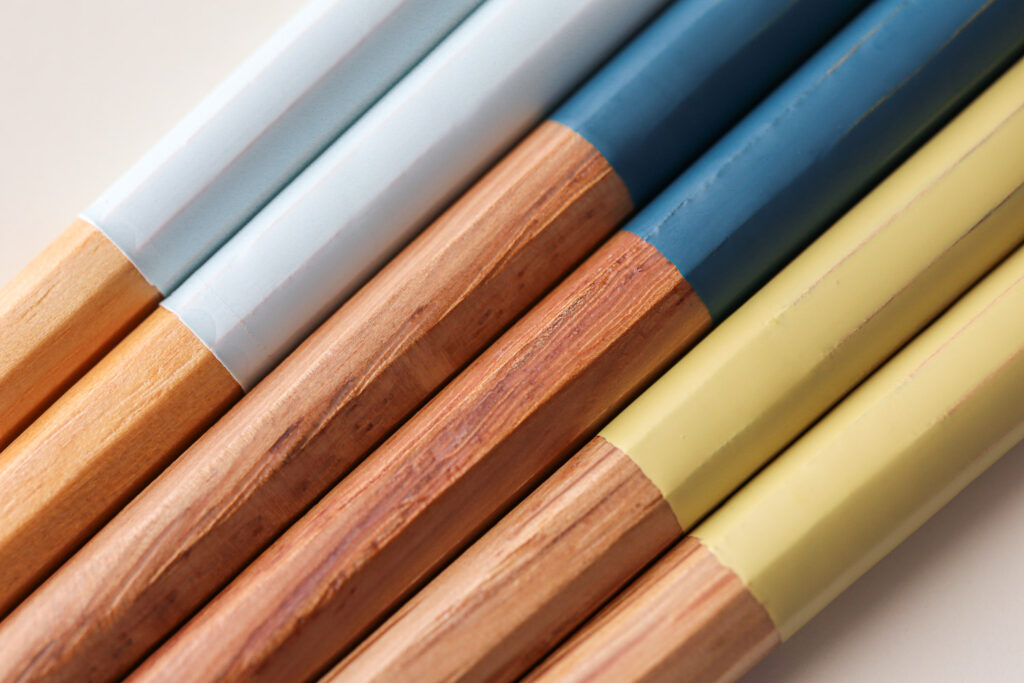
From our cooking course experience at Yao Kumagawa, the staff explained that chopsticks have different angular structures, from triangular to octagonal, as well as other forms designed to be most comfortable to hold, and among those shapes, we could choose which of the shapes best accommodates our grip. A little detail that we had probably experienced but never really noticed until now, and it really does make a difference. The Obama Chopsticks Museum had a variety of items you could try to hold and see what fits you best!
If you look closely, you can also see that many chopsticks are also textured around the tip to provide a better grip on your food!
We hope this article helps you to understand more about the Japanese craft, and when you are buying some lacquerware on your next trip to Japan! Or even better, we hope it fuels your inquisitive nature and helps you discover a passion for the craft!
For those interested, for a place nearby to stay while you explore the craft, we can recommend Sea-auberge Shitsumi.
With love for travelling,
Travel Tegami