
We will provide you with a real experience hiking the Tongariro Alpine Crossing as a beginner. From our demographics, what we bring on the hike, what to expect at each point in the hike, and how it actually feels, we will cover it here.
Dear Travellers,
We recently hiked the Tongariro Alpine Crossing in summer with no real hiking experience, and this is our guide for you on how to prepare for it and what to expect.
If you are a beginner and do not know what to expect, you must read this!
This blog is an answer to what we could not find while researching before the Tongariro Crossing.
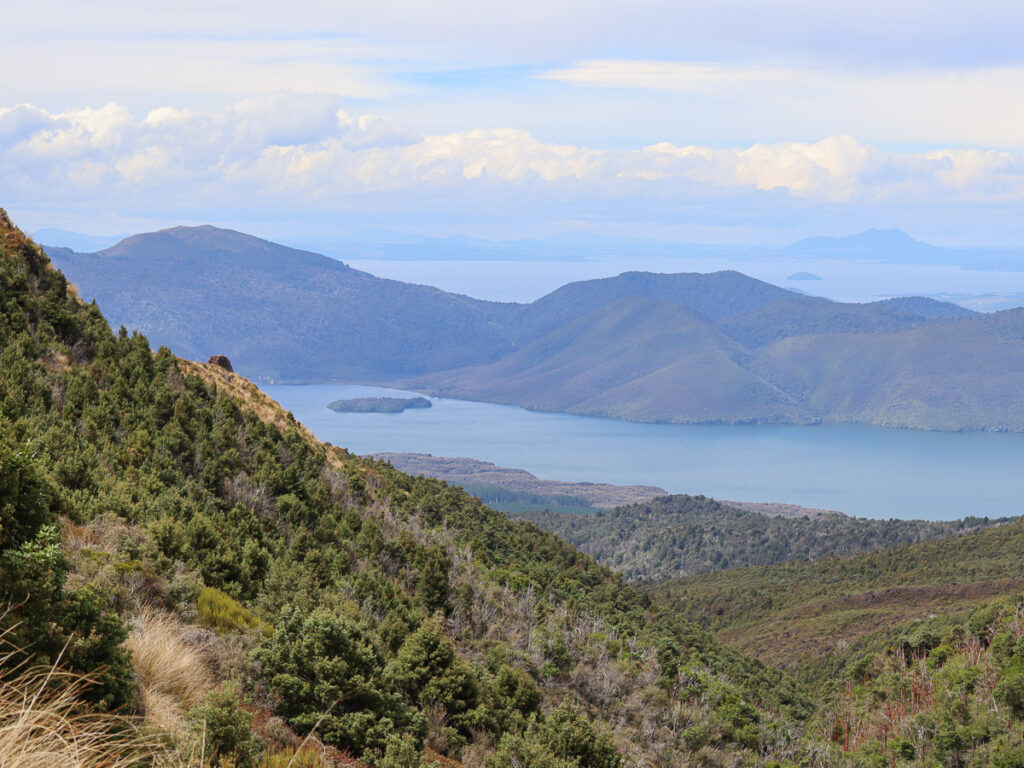
During our trip to New Zealand in summer, we had decided to hike the Tongariro Crossing. Hearing many people praise the hike, with many hikers ranking it among their top 10 places in the world, often even appearing at number one on social media posts, we decided to experience it ourselves.
We will walk you through what to expect during the hike and how to prepare for it
The Season: Summer (recommended)
The Route: One-way from start to end > parking at the end, and using a shuttle service to bring us to the start. Link here.
Our Profile/Physical Condition
First, we will provide you with the basics of our physical condition so that you can see more clearly what it was like for us and more accurately gauge what to expect when you hike it yourself.
Gender: One male and one female
Age: 20s
Health: Regular weight/No health problems
Physical Condition: Non-athletic (normal person with desk job)
Exercise habit: No routine (No Gym)(The Female: Occasional Pilates classes)
Hiking experience: Practically None (only a few 30-minute hikes at popular spots along a well-constructed path). Check out one of those hikes on our visit to Hyogo.
- We only exercise on an occasional basis, with no routine
- Work in a typical office job that does not require any walking
- We only walk a lot when travelling
The hike was basically our longest walk and most physically demanding activity we have ever done.
Note: Physical condition varies from person to person, even with a similar routine or demographics. We only provide it as an outline for a more relatable reading experience. You should consider your own unique physical condition before hiking the Tongariro Alpine Crossing.
What We Bring on The Hike
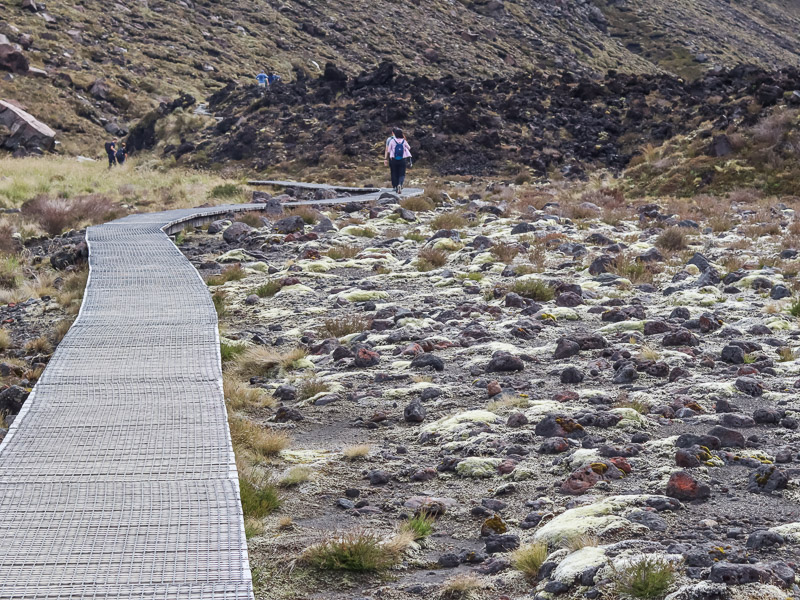
Considering our inexperience in Hiking and average physical condition, we tried to prepare our gear according to what is recommended.
We will provide you with more realistic beginner hiking gear that we used, which is likely easier for an everyday tourist to prepare.
What We Wear
- Hiking Shoe
- Hiking Socks (a thicker sock with a focused area reduces friction and helps with blister prevention on a long walk)
- Waterproof/Water Resistance Pants
- Softshell Jacket (water resistance for light rain)
- Non-Cotton T-shirt (we use short sleeves heat tech wear)
- Extra layers (anything that is warm)
There will be a lot of taking off and putting on layers as you hike due to the temperature change and wind from the altitude shift.
What We Bring
- Backpack
- 2-3 Litres of Water/ Per person (Normal Plastic Bottles)
- Sandwiches, energy bars, small snacks
- A camera/phone
- Plaster
- Toilet paper
- Hand Towel/Sanitizer
- A plastic bag for rubbish
Tips: You can use only one backpack for two people and switch around throughout the hike. In summer, it can get a little warm, and constantly having the backpack on can make your back sweaty and uncomfortable.
Bonus Tips: The hiking sticks are not as popular for younger hikers on the Tongariro Alpine Crossing, but they are very useful among the older people we see along the trail.
Our Preparation Process
Testing the hiking shoe: If you bought a brand-new pair of hiking shoes, we recommend you try walking with them for a good distance somewhere. If the shoe bites your feet, then it will be a painful walk.
Plan your stay: This was a major relief for us; having an accommodation booked in a town nearby was a good strategy. You do not want to drive for hours afterwards; having a good shower and going straight to bed felt magical.
We stayed in Tūrangi after the hike, and the night before the hike, we spent our time experiencing Lake Taupo.
Plan your time: There are different schedules for the bus to pick you up at the parking lot at the end of the trail. We plan it so that we have plenty of time to rest along the way and do not have to hurry at any point, meaning beginning the hike earlier in the morning.
Planning the food and drinks: Buy them a day before and make sure you have enough.
Extra Tip: We treat the walk somewhat like a picnic session. This Means we would stop whenever we want on the side of the track and have small snacks and lunch breaks, constantly resting before we get too tired. Do be careful and do not eat too much.
The Hiking Terrain & What to Expect At Each Part
This part may be a little bit of a spoiler for the hike, so if you want to keep the first impression as raw as possible, we recommend skipping this part.
Mangatepopo Valley (Starting Point)
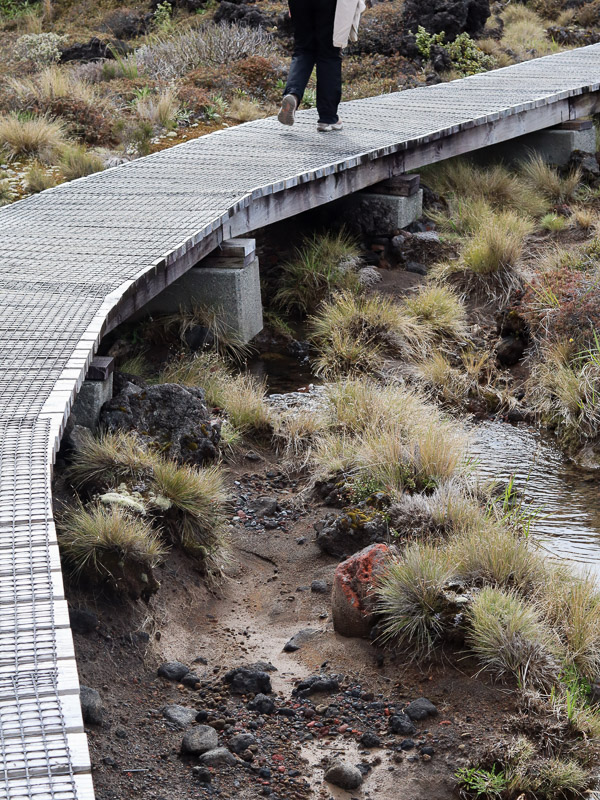
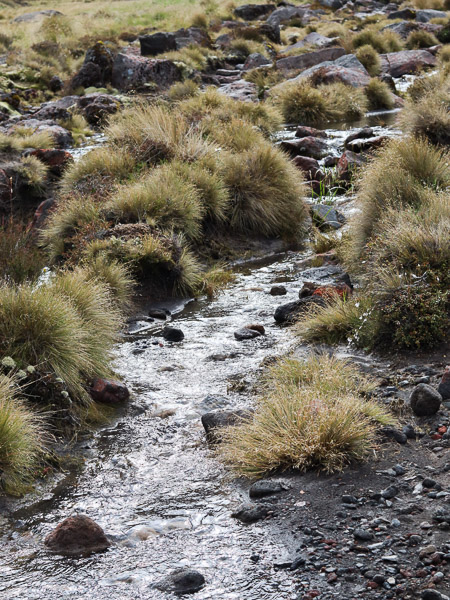
This is the beginning part of the hike; the ground is flat for the most part. There are also wooden platforms lined along a good portion of the path. It is an easy beginning, a warm-up.
The Devil's Staircase
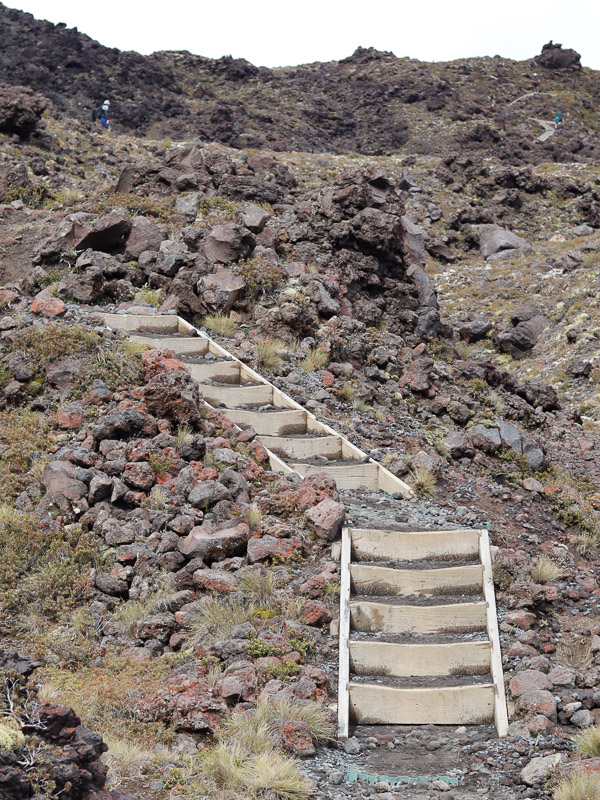
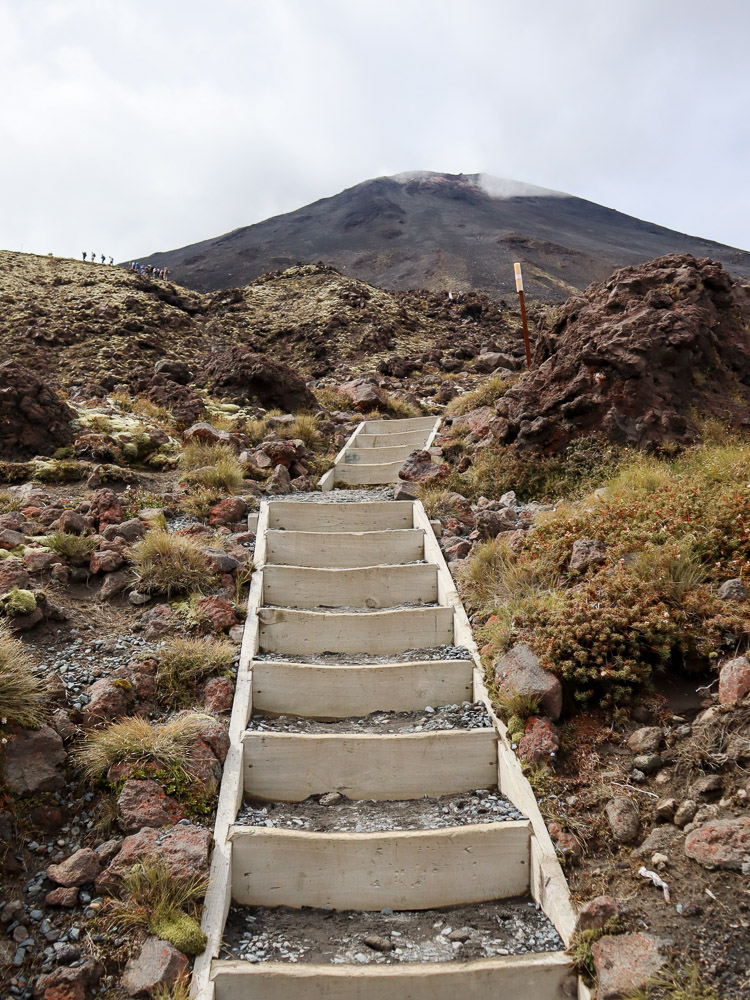
This is where the real work begins. Stairs came into view, and your legs started the real workout. Along this section is where we started to get some rest once or twice.
Towards the South Crater
This is where people started to get their first toilet break, around 6 Km in. Our spirits were still high at this point, and we decided to continue on without stopping. There will be toilet facilities like this along the way.
Tips: The toilet is basically a deep hole; expect it to smell a lot, but it is very usable and convenient considering the location you are in. The toilet paper, hand sanitizer, or hand towel comes into play here; it’s a must-have.
From this part on, it is more of the same: walk uphill and stairs, at a slight elevation, but continuous. It is a bit tiring, but at this point, you can see the crowd of people in front of and behind you start dispersing, making the walk more ‘relaxed’ in a way.
Reminder: don’t forget to look back once you are at an elevation; the view behind is magnificent, but if you keep your head down and focus on the walk too much, you may miss it.
Mount Ngauruhoe
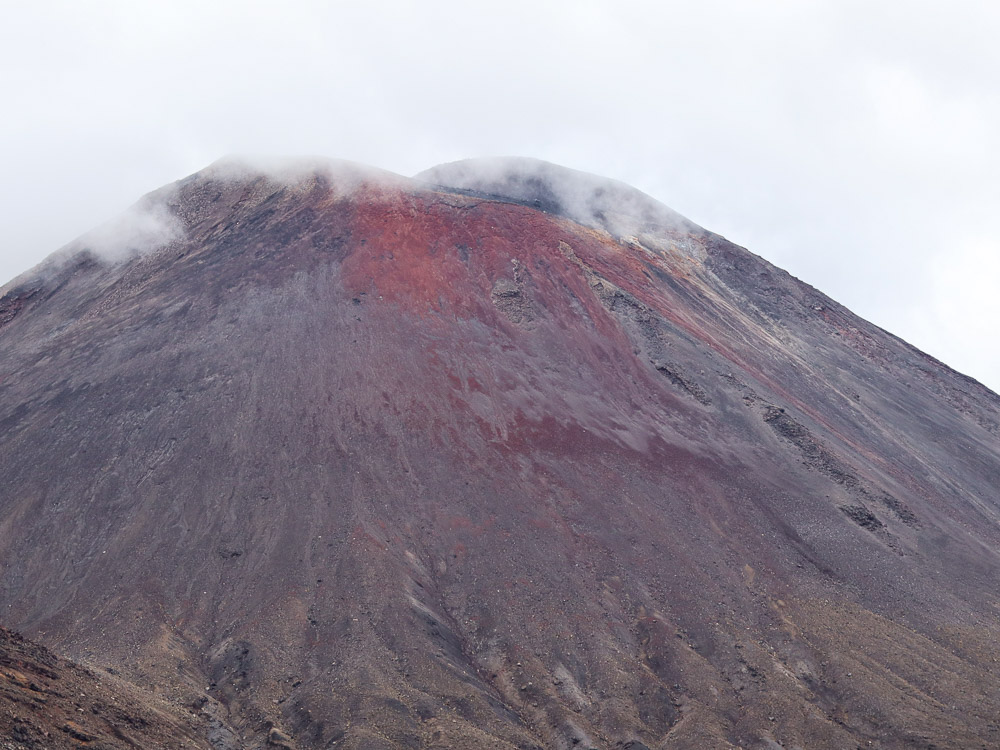
This is one of the mountains from The Lord of the Rings, and the path ahead is a battle of elevation. More rest was taken throughout this section. The view opens up further behind you as you climb. Once you are at the base of Mount Ngauruhoe, you can finally sigh in relief at the sight of the second toilet station and the flat land ahead.
The South Crater
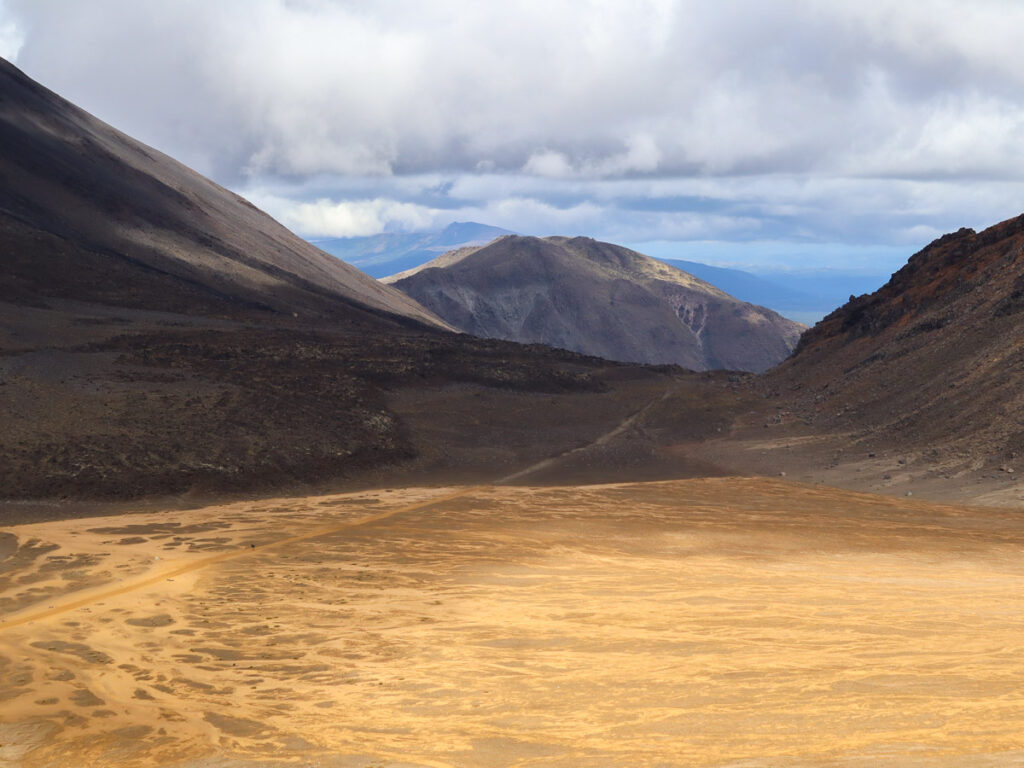
This is the calmness before the storm hits, not literally. A flat ground stretching for around a kilometer and a half. One of the easiest parts of the trail to walk. It is a good resting point after the end of the Devil’s Staircase section.
The Red Crater
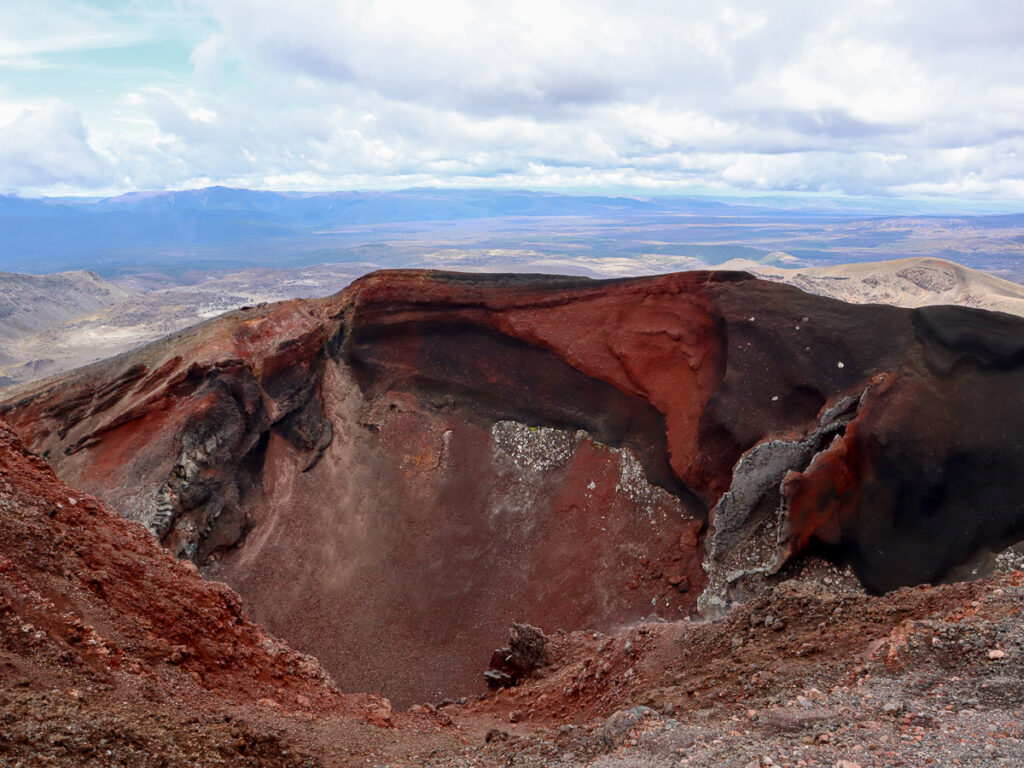
The highest point of the Tongariro Alpine Crossing. This is where a bit of a challenge begins. Climbing at this point is very tiring for us; we took a lot of rest along this part.
The climb is not too technically hard, but there are also no stairs like before; it’s more of a rocky, steeper climb, and some planning had to be done in our heads about where to step next. People are visible at the top as you look up, reminding you of how much farther you have to go.
With all that effort, reaching the top at this point is a very satisfying experience, and the view is well worth every bit of energy and every second.
The Blue and Emerald Lakes
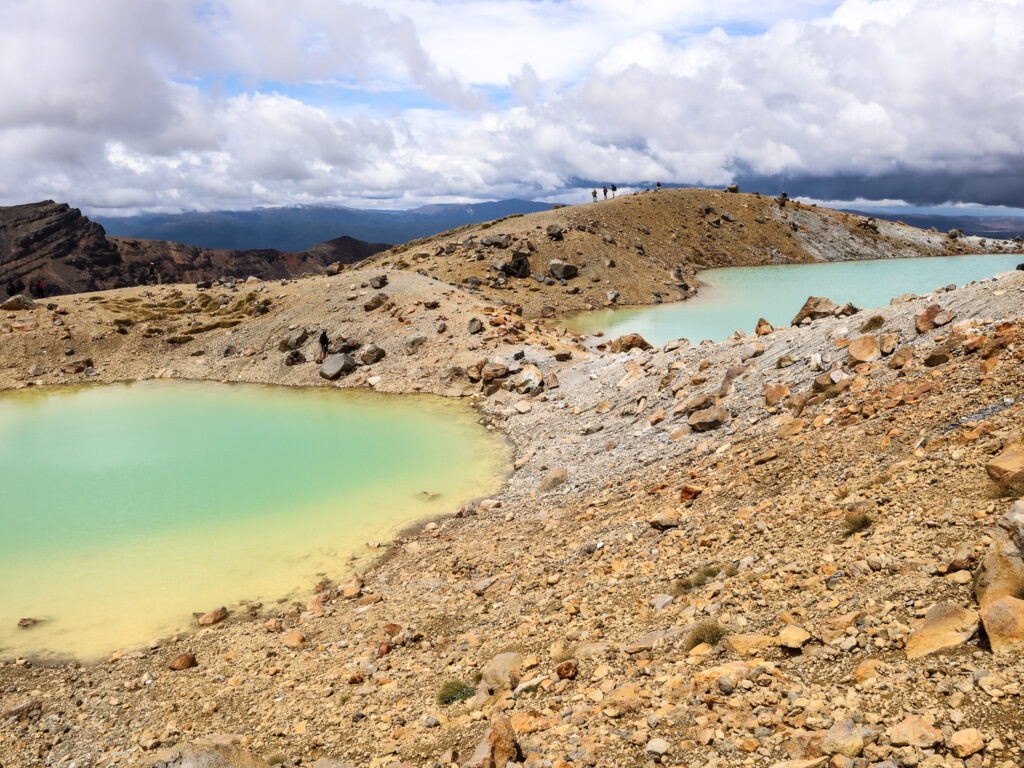
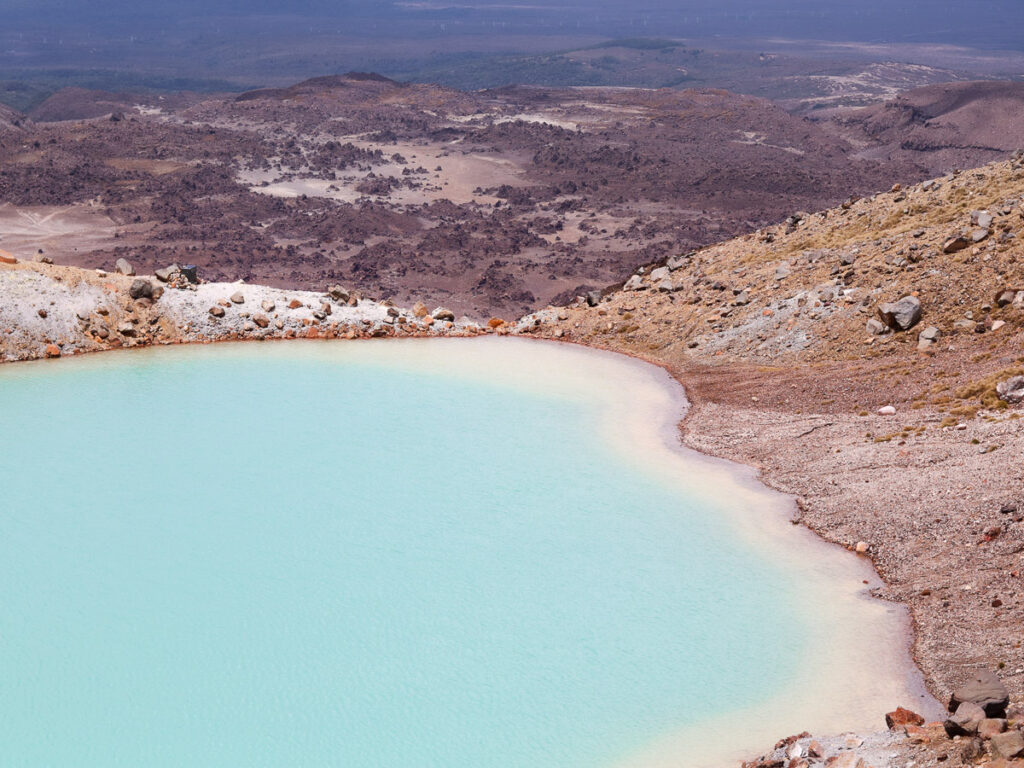
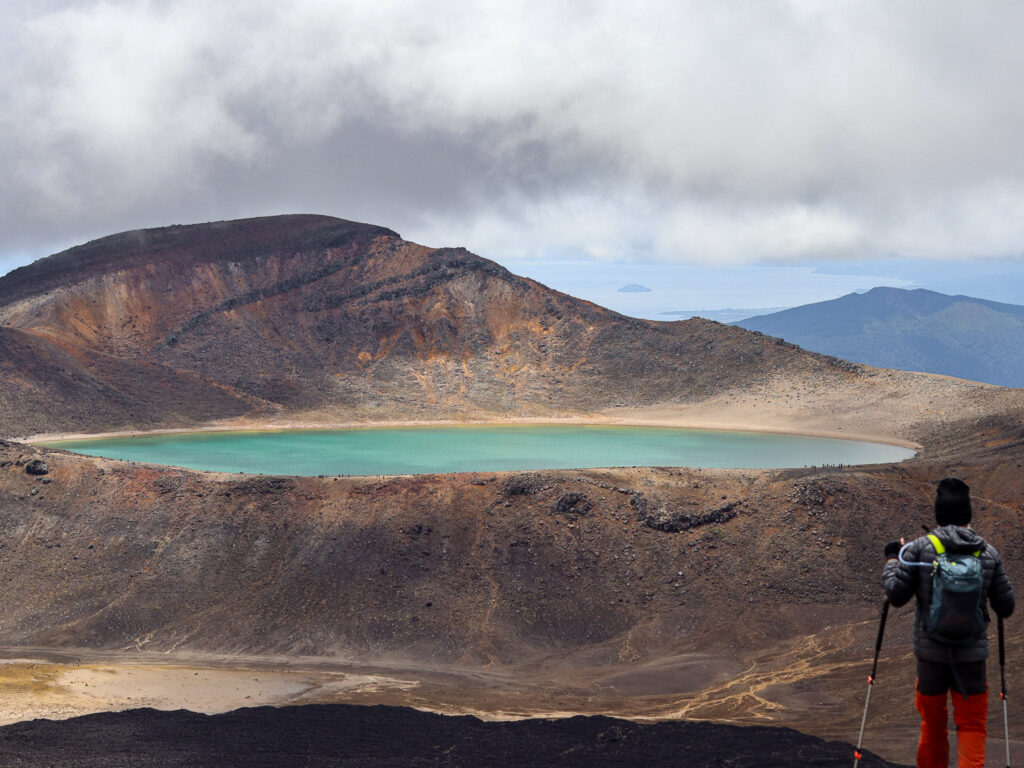
This is where we felt like it was all worth it; the view was simply breathtaking, marvellous. So far in our travelling, it might be the most ‘grand’ scenery we have witnessed.
We took a long break here, sitting beside one of the small lakes, taking it all in.
Heads up: the way down to the Blue Lake from the Red Crater is slippery as it is covered with a sand-like material. Many slip and fall on their back a few times. Although it may not be painful because you are falling at an angle, it is best that you take your time and do not rush. Safety should be the number one priority, not speed.
After passing the Blue Lake, onto the final descent
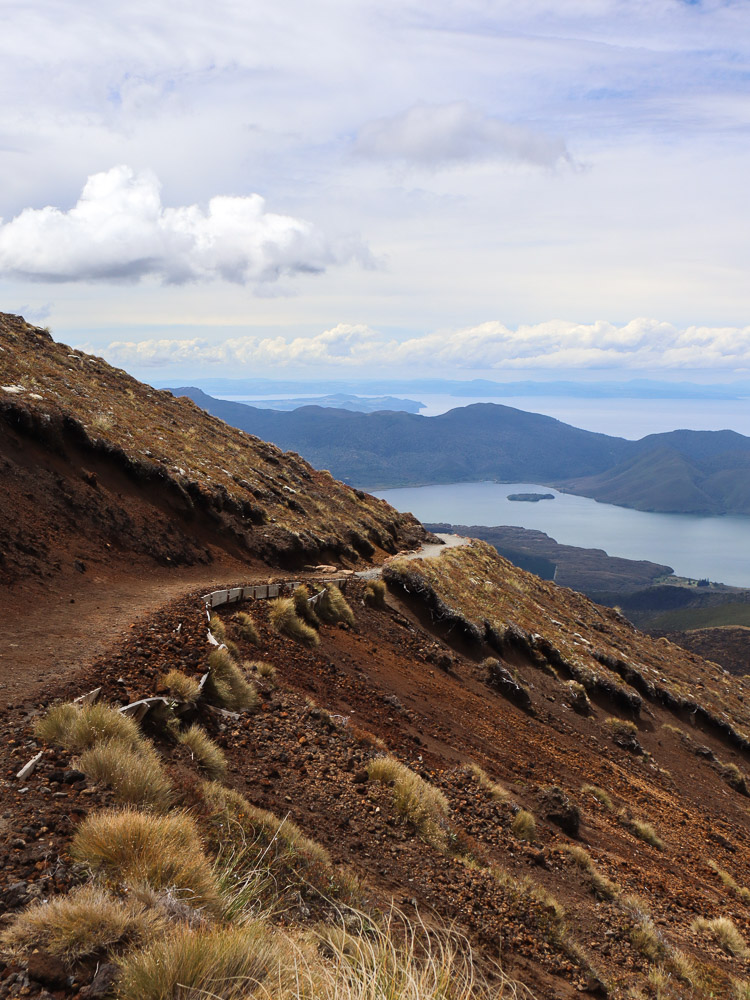
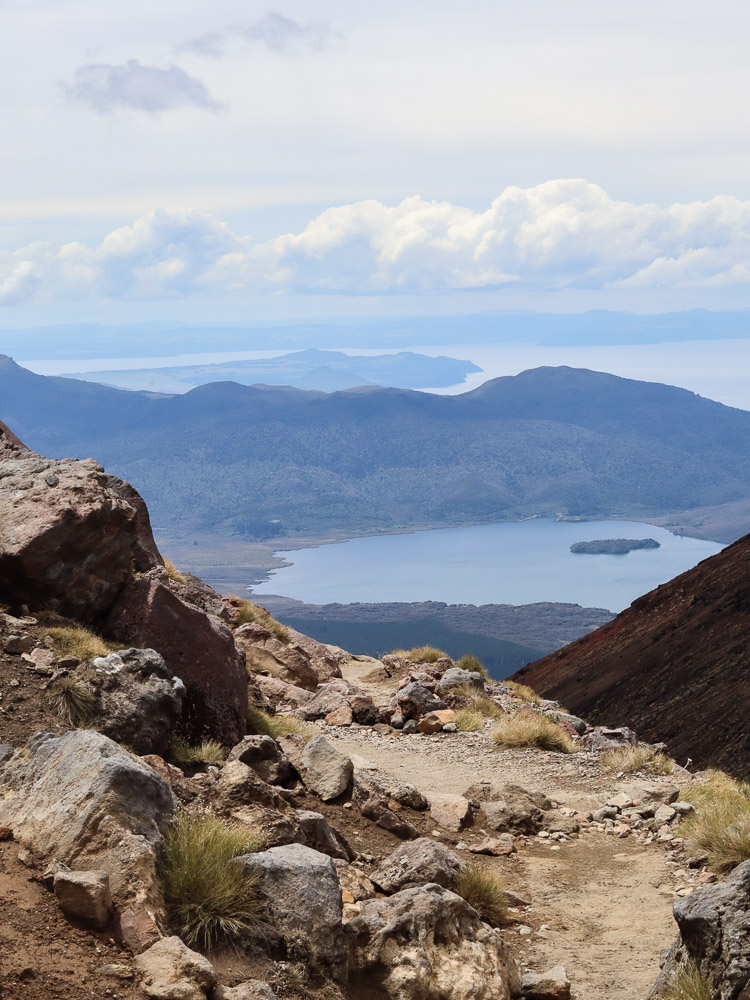
This is where we started thinking this was not bad at all. We were laughing and smiling as we walked; no one was around us, and the view was rewarding. We honestly thought we were nearing the end, and we were happy.
The view we had just seen was one-of-a-kind, and that lifted our spirits a bit too high.
Ketetahi descent
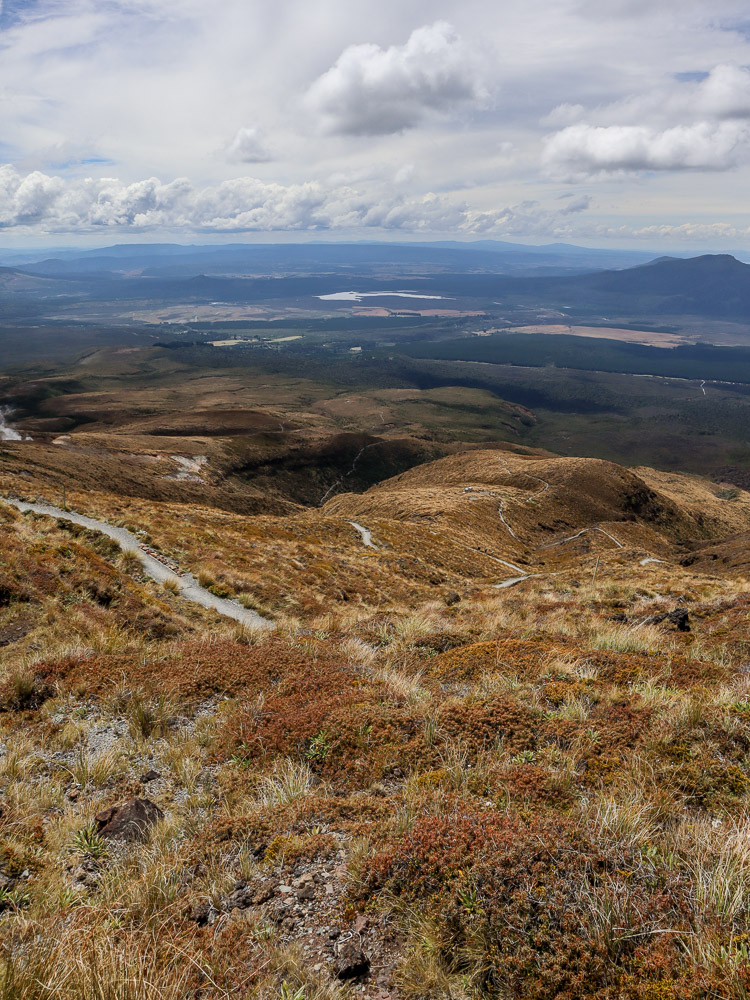
This is where the nightmare begins; the path beyond this point is pure exhaustion for us. We have seen the best of the views, climbed to the highest altitude of the hike, but we have forgotten about the way down.
Simply put, the way down is harder than the way up for us. It is harder on the knees, and the constant reminder of where you have to go, as it will always be visible in tiny, long lines as you look ahead, is pure evil.
Passing this seemingly unending trail was, for us, the hardest part of Tongariro Alpine Crossing.
Into The Forest
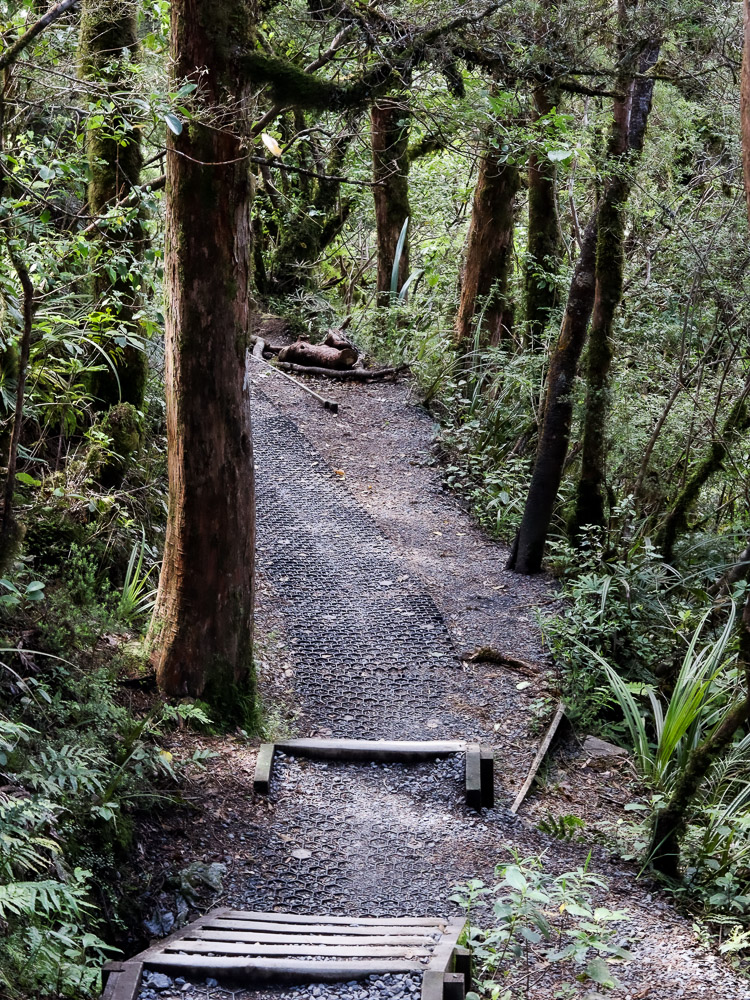
This part onward is purely a final push; we mustered every energy left in our bodies and paced through the surrounding forest. We picked up our pace, talking less, only walking. Our feet hurt, but the anticipation of seeing the end is the only thing that keeps us going.
In the end, we finally reached the road, and we saw buses waiting. We let out a sigh of relief. However, those buses were not ours, and we had to walk the final stretch along the road to the parking lot. It was the saddest part, seeing cars drive by you as you continued walking.
Luckily, the car park’s back entrance was right across the main road, and we fortunately parked our car right there, midway in the parking lot, where the entrance to the Tongariro Alpine Crossing is.
The Closing Summary
We will keep this short. The hike was not too hard for us, and it was worth it. We were exhausted; our feet hurt, but we were glad that we came.
We are not particularly fit, as we do not exercise much at all, but we were still blessed with youth. If you are deciding on hiking the Tongariro Crossing, we are not saying everyone can do it or will enjoy doing it just because we did; not every activity is for everyone.
For more of our hiking trips, check out our hike through the 7 levels of Erawan Falls.
Do not just take one single piece of advice; please look into many sources and determine your own condition and fitness if you lack experience in this field.
Fair Warning: We are saying this because we have seen some along the way who looked like they had a hard time, as well as those who are underprepared or unfortunate.
- Some went there with trainers or normal sports shoes and were slipping and falling on the way downhill, and some took off their shoes towards the end because it hurt their feet.
- Preparation is crucial to ensure the best chance you can get of not turning a vacation into a dreadful one. We recommend this website for more professional advice.
If you want to see beautiful scenery but don’t like hiking or don’t think you can do it, try a helicopter tour. If you want to stick to exploring by car, we recommend Lake Tekapo, or if you love a long drive, Franz Josef and the West Coast of South Island is a great place to drive along.
May you have a good time,
Travel Tegami