
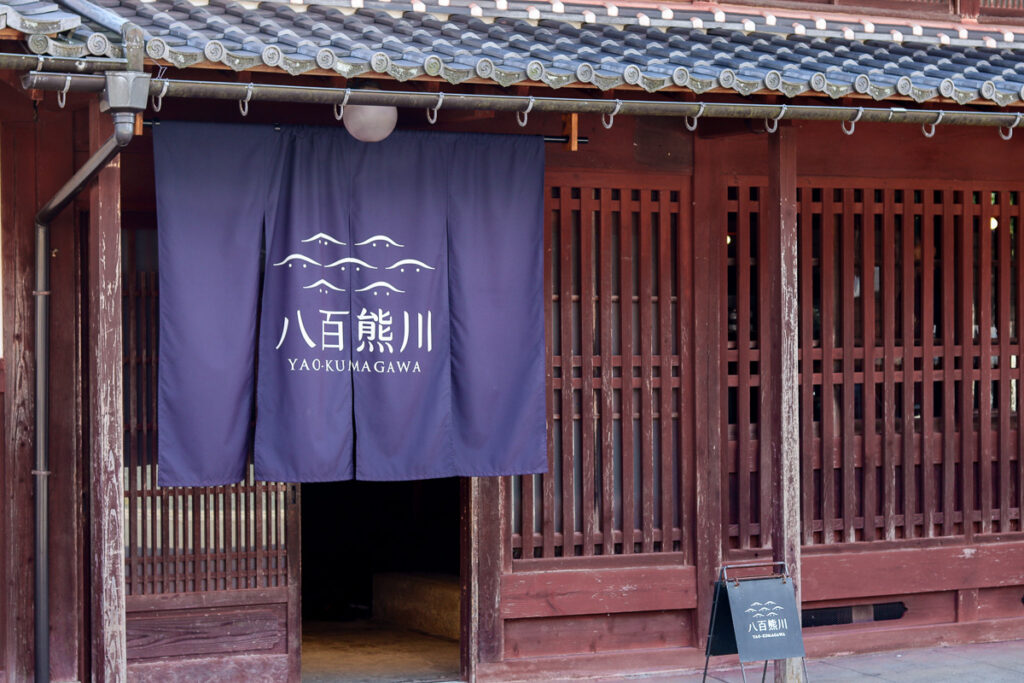
An unforgettable experience, a stay review at Yao-Kumagawa, a Japanese style house in a quiet post-town neighborhood of Kumagawa, Wakasa.
Kumagawa-Juku
Wakasa-cho, Mikatakaminaka-gun,
Fukui Prefecture
919-1532
Table of Contents: quick navigation
- Room (Tsugumi)
- Hospitality Dinner
- Breakfast
- Kamado Lunch (cooking class)
- Our Score
A two-night stay in the post town of Kumagawa.
Dear Readers,
Stumbling upon a beautifully taken image of a stylish room, breathtaking scenery, and a well-designed website, we were drawn to this place in an instant, and in a short way to describe the experience, Yao-Kumagawa did not disappoint.
In hope of a relaxing, quiet experience with a home-like ambience and a not-too-overtly typical modernized hotel experience, while we explore the more rural part of Japan, we had chosen a two-night stay at Yao-Kumagawa.
Situated along the post town of Kumagawa is a four-room, or rather four-house, hotel, with a core design of renovated Japanese traditional homes.
In the hope of revitalizing the region, these old houses are renovated to better accommodate tourism and bring new life and hope to the old town, while staying true to the region’s long-standing culture and traditions. Letting the guests who happen to wander into the place experience a fragment of the local soul.
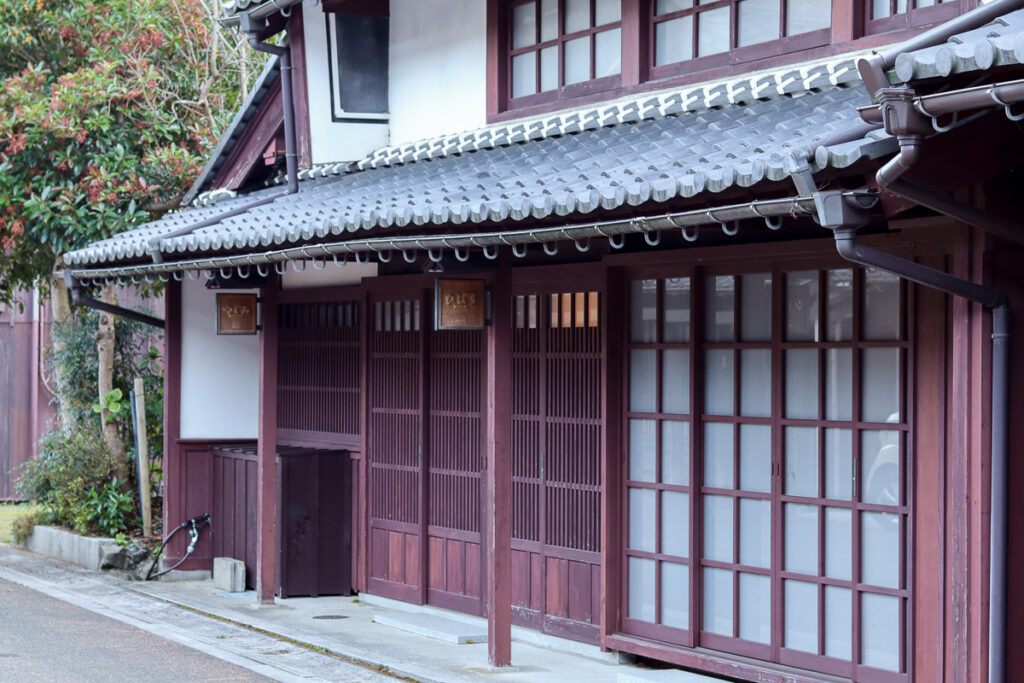
Divided into different buildings situated along the road, with each serving its own purpose, like a check-in area and different accommodations, the hotel was able to integrate itself more seamlessly into the neighborhood and capture the essence of renting a place somewhere rather than just being another modern hotel.
We first began our journey at a parking lot directly opposite the hotel’s front building, where the check-in process took place. We sat down and went through the usual process and were given some explanation about the place, along with some details about the town and region, and other things to keep in mind during our stay. With our arrival being earlier than the usual check-in time, we decided to explore the town of Kumagawa a bit before returning to receive the key to our accommodation, which is located a short walking distance away on the same road.
Note: The town is very quiet and is a residential area where many locals and families reside; therefore, respect is expected of you. Please keep your voice lower, especially at night, after a certain time, and refrain from trespassing on people’s houses to avoid disturbing the residences.
The Room
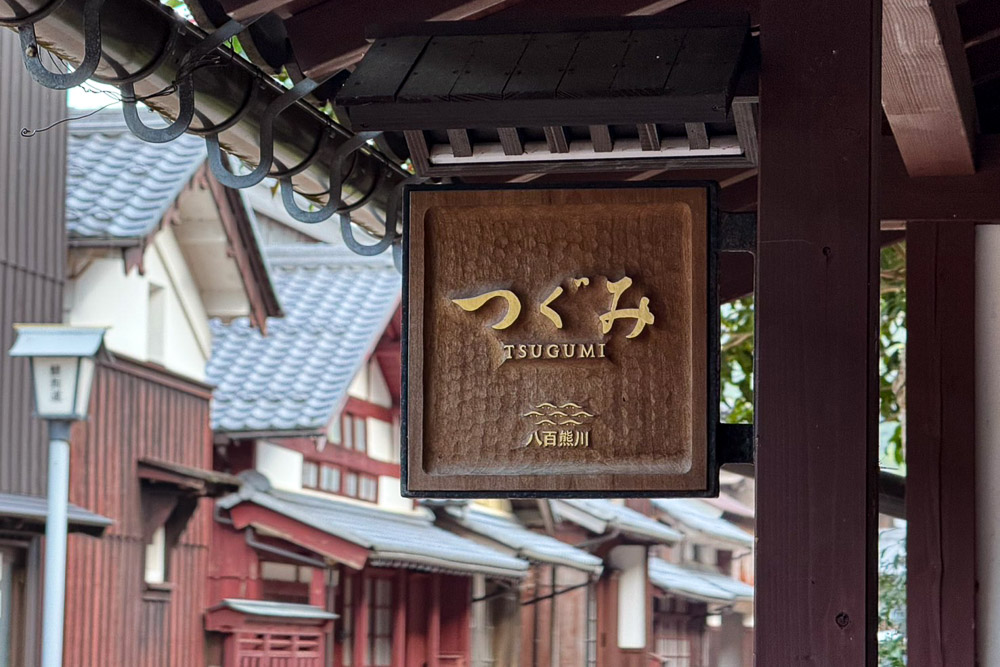
We came back at 2 pm and were given a key and directions to our accommodation for the night.
The house was located a few hundred meters away, around a 5-minute walk, towards the end of the village.
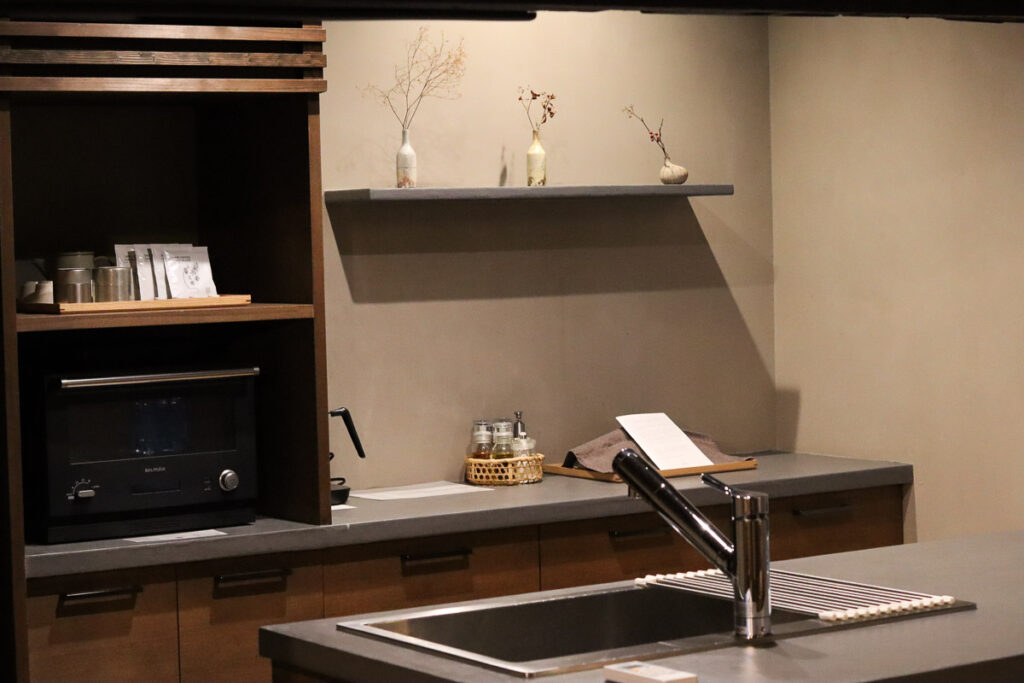
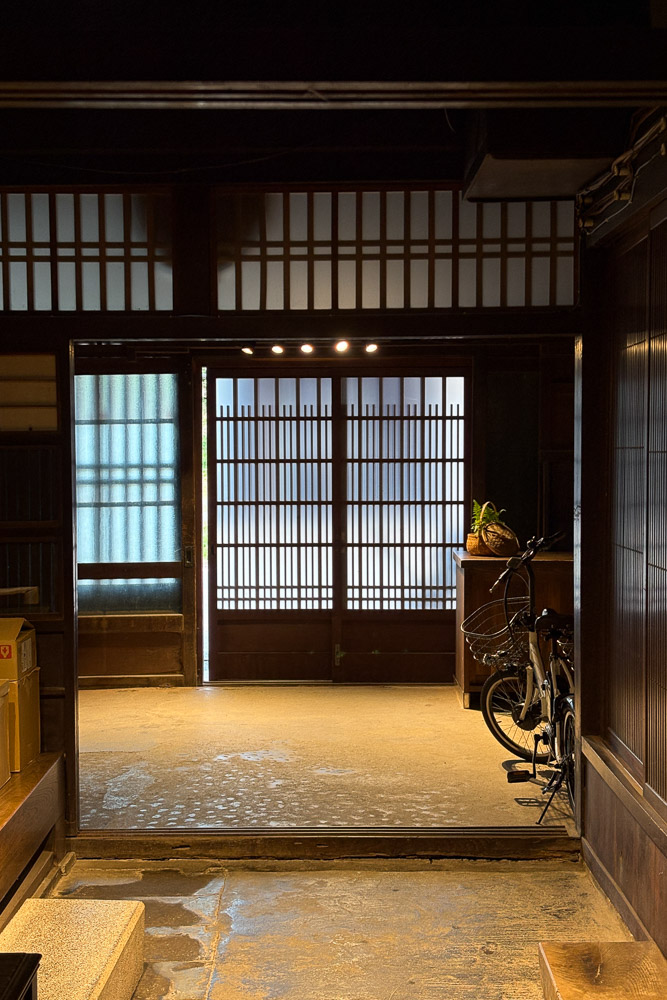
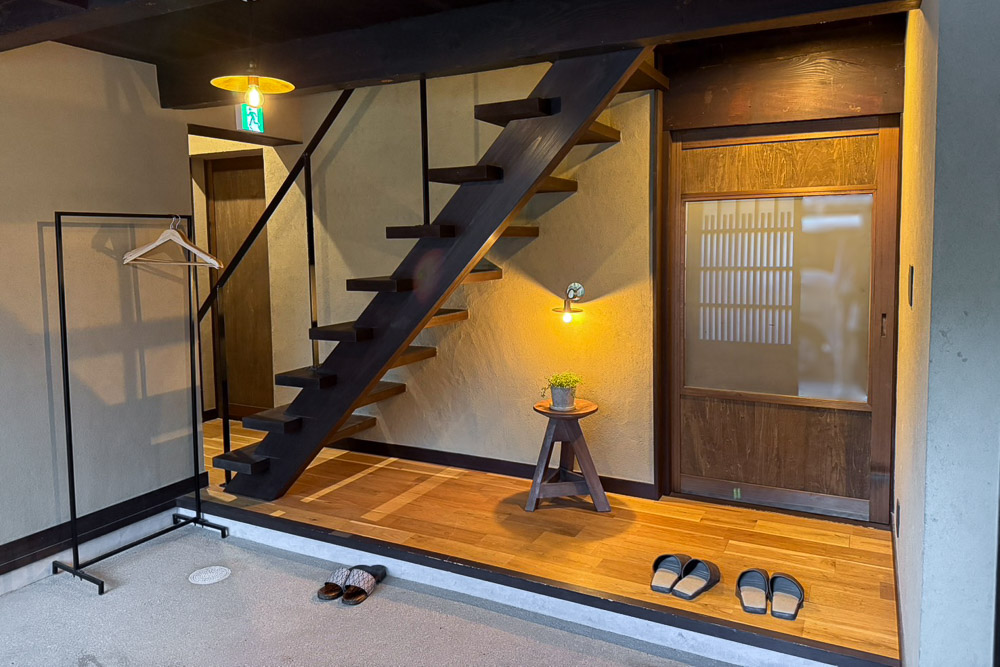
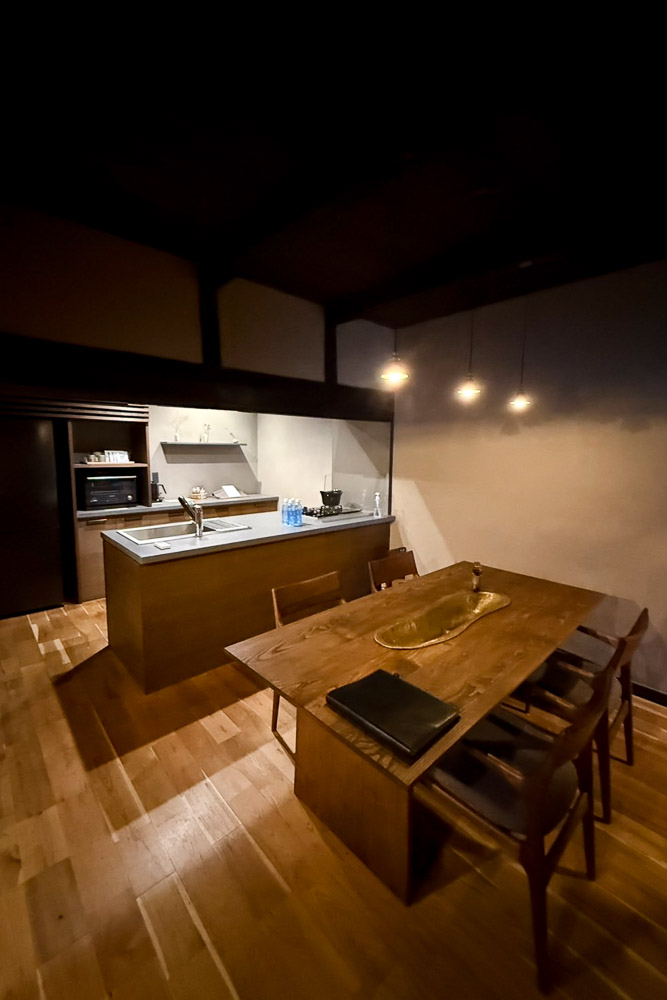
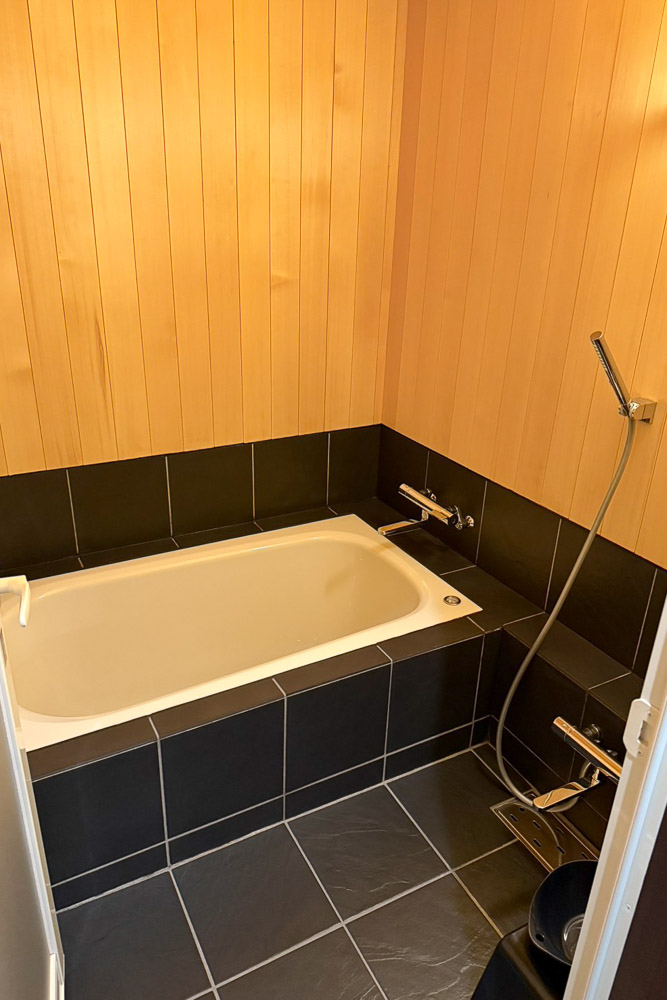
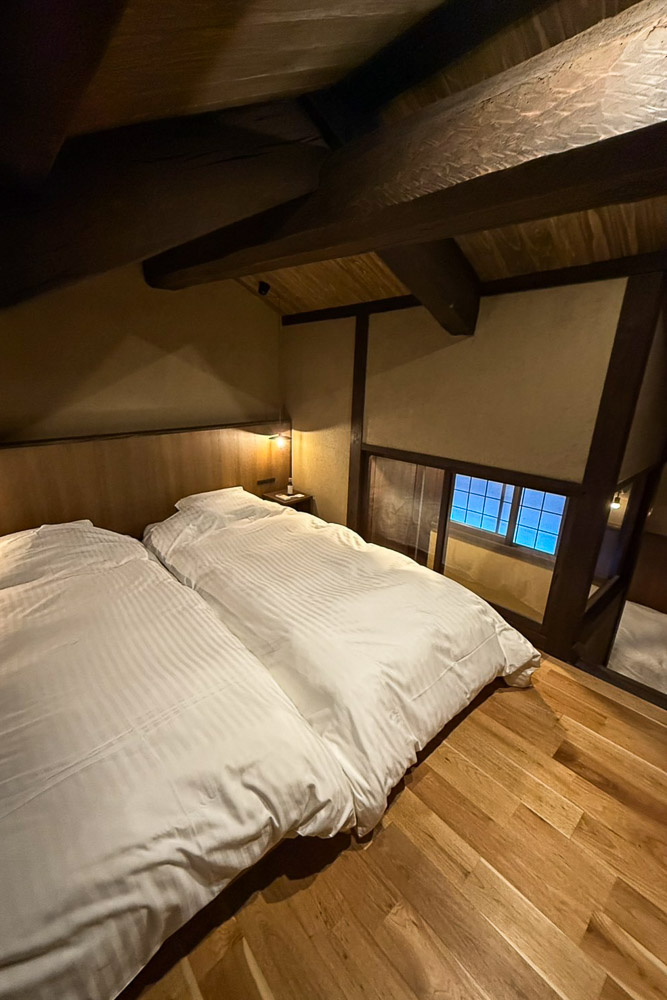
A renovated traditional Japanese home is exactly what it is, with all the places you touch and utilities being new and a mix of more modernized facilities like toilet, bath, and kitchen, while still retaining the overall feel of the old establishment, like the wooden beams, and the structures’ surroundings are all visibly of the original.
We enjoyed exploring the rooms and took advantage of the large space to organize our luggage before taking a short trip out to visit Wakasa Uriwari Meisui park, a 10-minute drive from the hotel. Before the sky turned dark, we returned for one of the highlights of this stay, the dinner.
Hospitality Dinner
(Additional price) (Recommended)
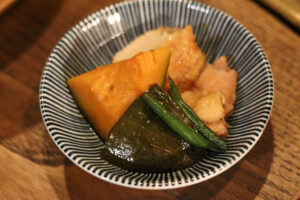
What made us look forward to this experience was not because there might be a professional chef or that they are particularly famous for the food, but it was the person who was doing the cooking. Not a meal promised by a professional kitchen, not a ryokan course dinner, not a special luxurious meal full of expensive ingredients, but a local dinner menu prepared by locals of the Kumagawa-Juku using local ingredients.
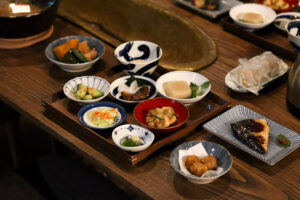
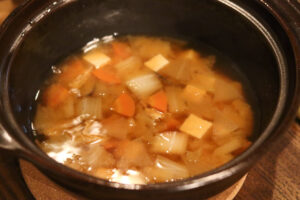
At the appointed time, someone knocked on the door of our accommodation, and a woman’s voice called out, announcing the dinner service. We opened the door, and a smile greeted us. A sweet old lady, accompanied by a young man, was holding several large trays of food. They came in and arranged the table with dishes, all filled with different small foods, a big container for rice, and another for soup, which made us question our stomach capacity. The old lady gave an explanation about every dish she served, with a smile, along with the instructions on what to do with the dishes afterwards, before leaving us to the meal.
Part of it felt like dining at your grandparents’ house, part of it felt a little more complicated, and the variety of dishes served made it feel more elevated, but still home. It might feel like when you tell your grandparents you haven’t eaten yet, and they take out everything they have in the kitchen for you.
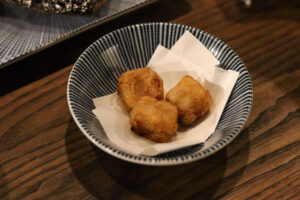
The big table in the middle of the house serves its purpose, as the meal was large and full of local traditional dishes, including konyaku karaage, arrowroot tofu, makerel, pickled vegetables, and many more. The seemingly large meal was all gone by the time we were done, from the last grain of rice to the last drop of soup.
After Dinner
After the big meal, we went out for a walk at Plant-2, a large grocery store that sells everything from shoes and camping gear to household goods and food, just 9 minutes by car from Kumagawa. It is also where we will return for some groceries the next day to take full advantage of the fully equipped kitchen provided in our hotel home.
At nightfall, Kumagawa sleeps, faint noises of occasional cars passing by on the main road, and the sound from the mountain beside is all that is left. As the car park was a three-minute walk away from the house, through the backside of Kumagawa-Juku, the path was lit by a few street lamps, and the darkness we missed in the city reminded us we are far from the busiest. With occasional glances behind us in the freight of the dark, we made it home, took a baht, and went to bed on the second floor of the house.
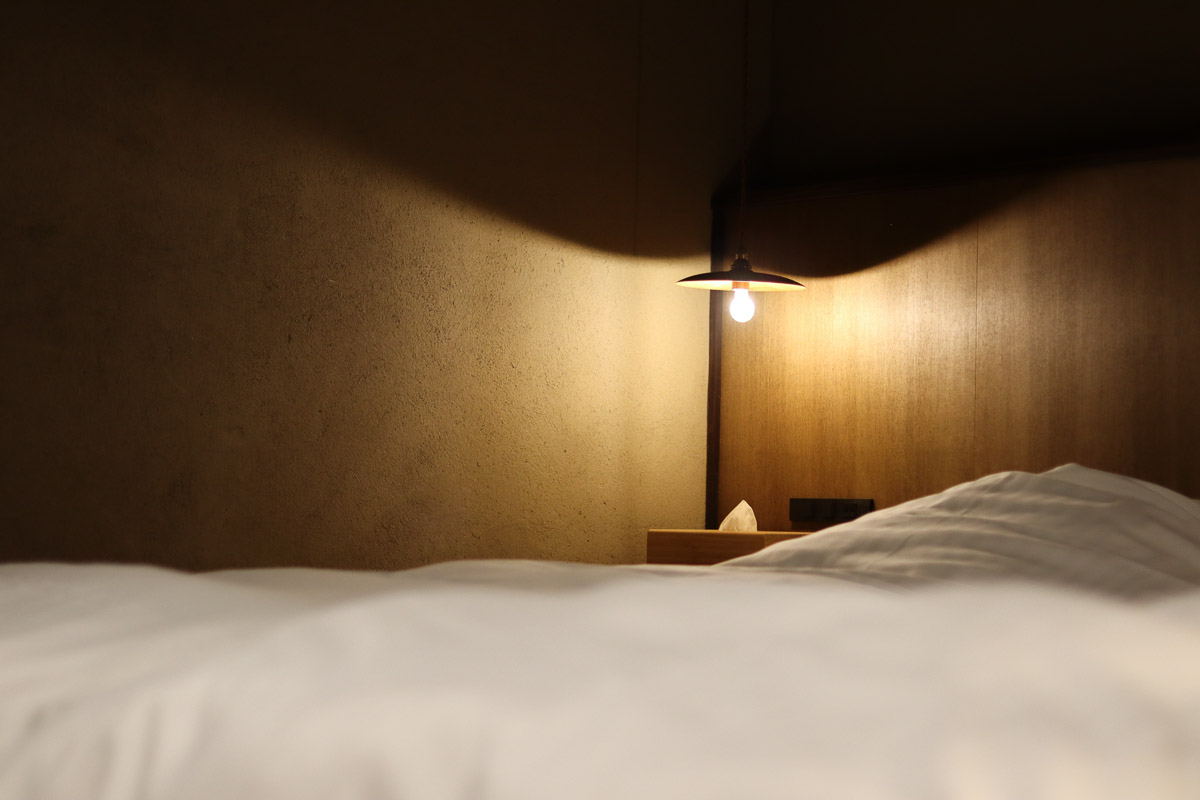
There are three beds on the second floor, and we occupied the two single beds at the end, closed our eyes, and listened to the rattle of the wooden window. It was a windy night, and the rattling carried on in the dark, as a light sleeper, it was not the most pleasant, but before long, I drifted into the world of dreams.
In-room Breakfast
(Additional price)
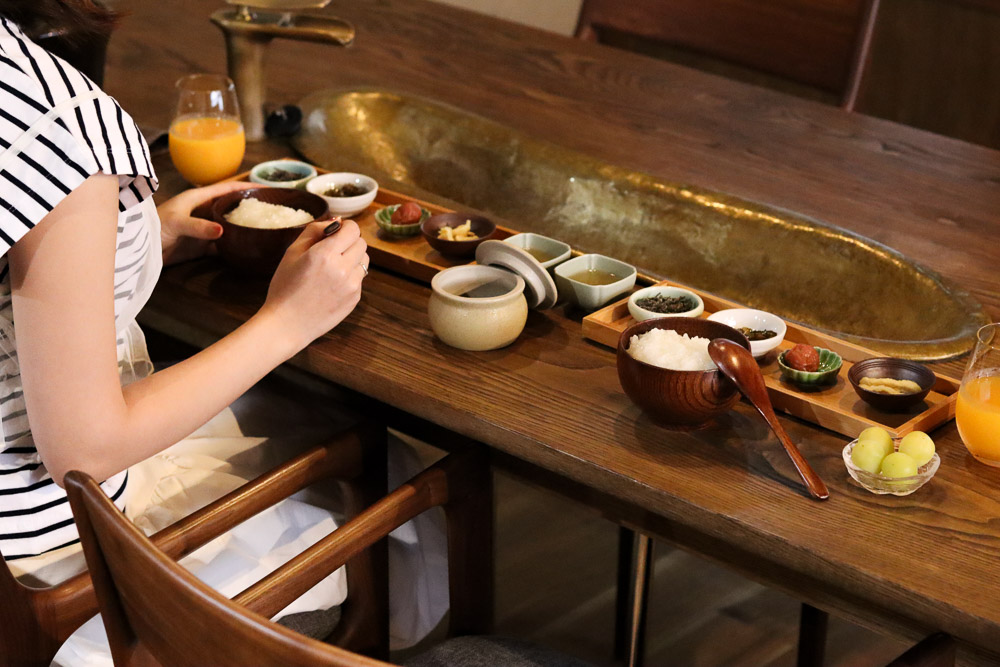
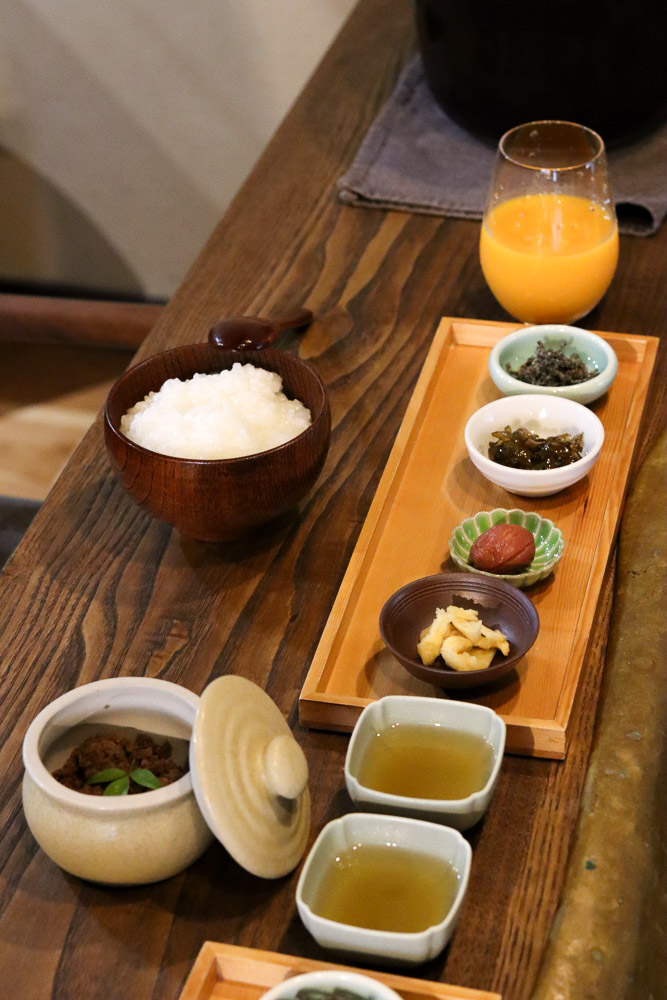
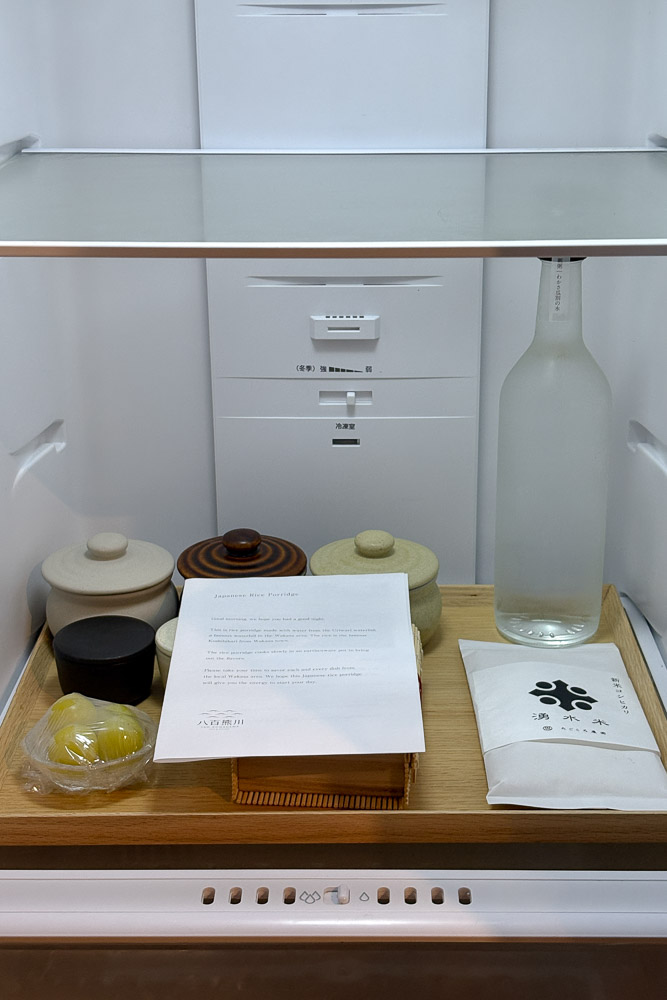
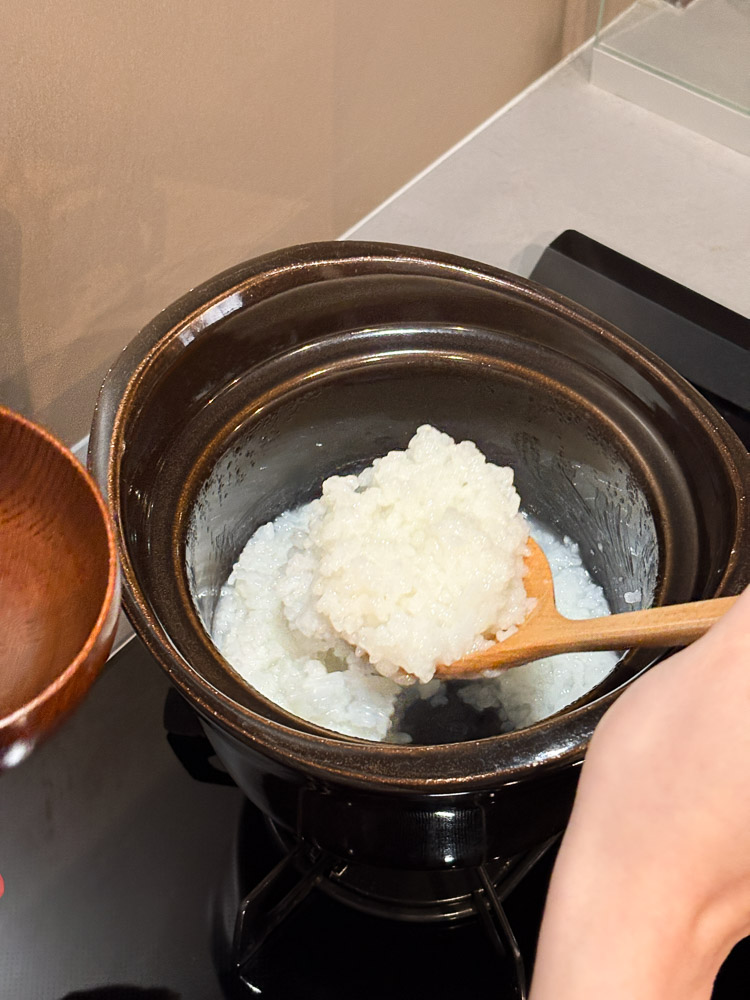
We got up early to a pre-prepared breakfast ready for us to cook, which was requested at an additional cost. The breakfast was a porridge along with some side dishes. To cook the porridge, the hotel has prepared for us water from Uriwari waterfall, which we visited the day prior, and Wakasa’s Koshihikari rice, which we put in an earthenware pot, and let it cook on the gas stove. All of the other side dishes are ready to eat. It was a simple breakfast with elements that elevated the meal into something special.
We spent the second day walking around Kumagawa Juku and driving around Mikatakamina district to experience the feeling of the local town, and with the leftover time, we spent cooking in the house with the ingredients we bought from Plant-2. We made some Nama-Chocolate from Lotte and a simple dinner with meat, and rice we bought from Kumagawa-Juku gift shop using the condiments set available for rent at the hotel, which includes the basic condiments for Japanese cuisine for 1200 yen.
Kamado Lunch (Cooking Class)
(Additional price)
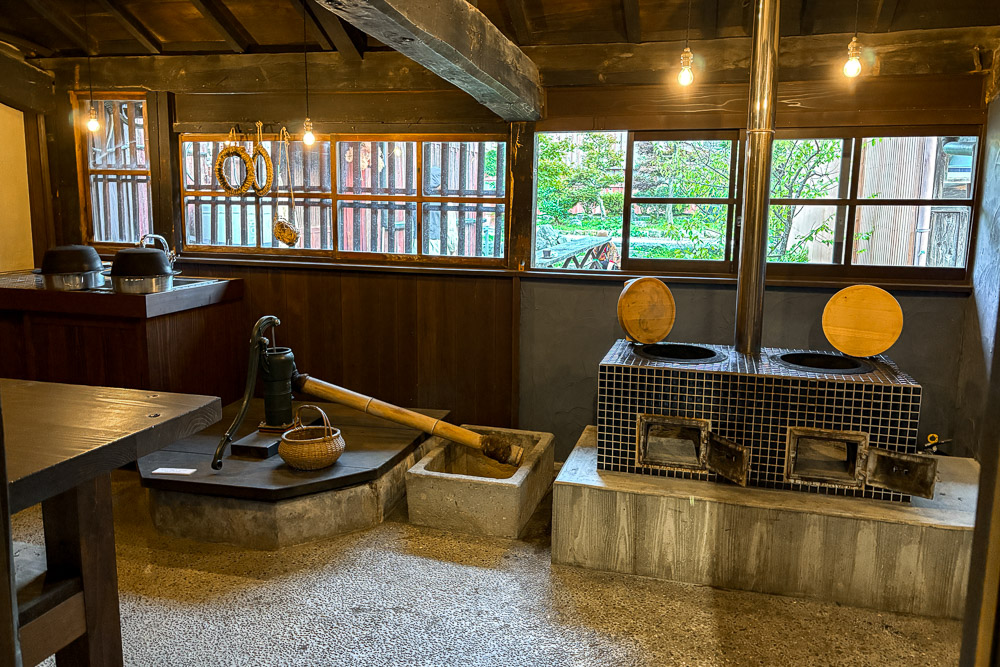
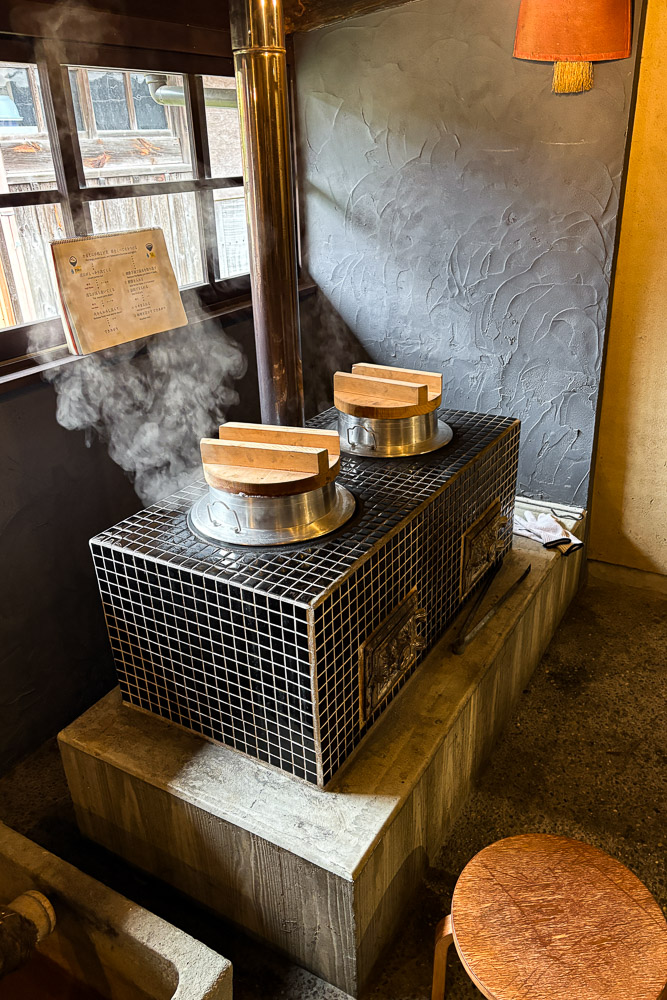
After check-out, we stop by the check-in area for a pre-allotted time Kamado Lunch experience, which is available to be purchased separately from our stay. The experience is a simple cooking class, teaching simple local dishes with local ingredients and a highlight on the kamado, or a wood-fire cooking stove, which locals have been using for centuries. The class is a basic one that one can participate in without any experience of cooking, from washing the rice to preparing the wood-fire stove and miso soup; a staff member will guide you through the process. Afterwards, you get to enjoy the meal you prepared in a private room in the establishment, which was great!
We were also educated on some facts about urushi chopsticks produced in the nearby city of Obama, and got to keep one each as a gift.
With beginner-level Japanese (N5 – N4), you will be able to get through the class by purely relying on your Japanese. Otherwise, we reckon you will also be able to do it as the staff speak English, and some Google Translate is sufficient to make up for the part lost in the language barrier.
The Closing: Our Score
Yao-Kumagawa was what we wanted it to be and lived up to what was promised on their website. They also provided many guides and activities around the town on their website for you to check out!
This post is not sponsored in any form and is reviewed purely from our experience. The peace, the quiet, the ambience of the town, and the pleasant stay and experiences we had in one of their houses had made the trip to Kumagawa one of our favourites.
Review Summary:
Style of review: Rural, Peaceful
Do note that under this criterion, our evaluation will assume a personal (rental) car as the default form of transportation, considering the location. The criteria will also be set for a quiet rural area, which will not mark the lack of a convenience store or nighttime activity as a minus.
Our scoring has also taken into account the price point: 30,000 yen per night (standard room rate)
Our recommendation: Hand-Picked
One of our best experiences, a stay worth specifically choosing to experience, and a returning stay!
So, if you are on that last curve in your decision-making, or are deciding on where to go next around the Kansai region, we highly recommend that you book a stay here. For more unique stays, check out Sea-auberge Shitsumi in the nearby city of Obama. For another hotel we rated “Hand-Picked,” see our stay at Centara Grand Mirage Pattaya.
*Hand-Picked → 1, Preferred Choice → 2, Selective Choice → 3, Subjective Choice → 4
The hotels that fall into these ratings are all satisfactory experiences; the categories capture how exceedingly it went over our satisfaction level, and are not a ranking that implies which hotel is good or bad. The rating is highly reliant on our preferences and personal experience.
Overall atmosphere:
Room type: Tsugumi(つぐみ)
Very Clean 10/10
Location 8/10
Convenience of the stay 8/10
Room Ambience 8/10
Concept 10/10
Additional scoring:
Laundry machine +
Full kitchen with equipment +
Separated bath and toilet +
The window rattles on windy nights –
With love for travelling,
Travel Tegami