
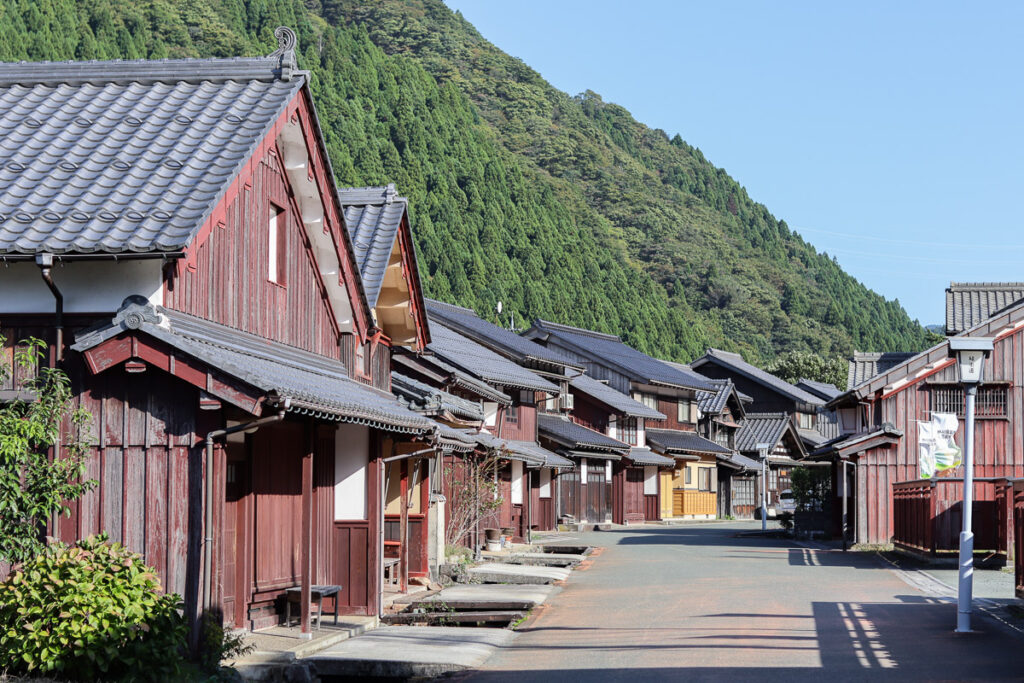
A charismatic, peaceful post town of Kumagawa, a getaway spot outside of Fukui prefecture. The uncrowded side of Japan, where you can still feel the presence of its locals’ lives.
Our recommendation in Kumagawa-juku
Kumagawa-Juku (熊川宿)
Wakasa-cho, Mikatakaminaka-gun,
Fukui Prefecture
919-1532
The Journey: The Experience Through Our Eyes at Kumagawa
Dear Readers,
Near the border of Fukui and Shiga exists a small old town of Kumagawa, a post town district in Wakasa from the late 1500s, an hour and a half away from Kyoto by car.
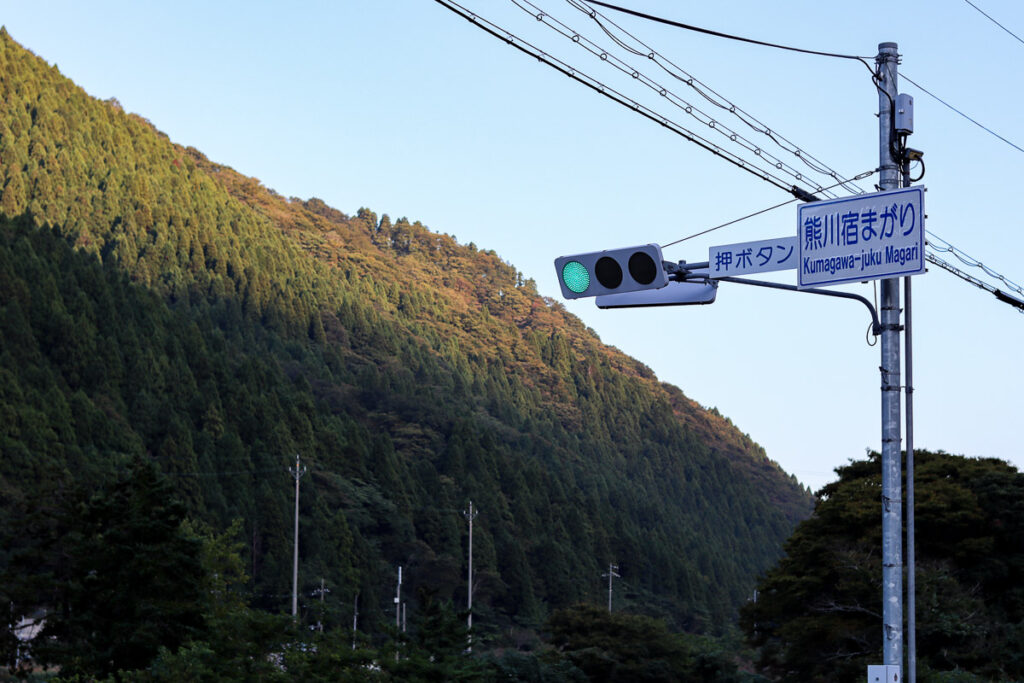
After a pleasant drive from Osaka through a good amount of scenic parts of rural Japan, we parked our car in a parking lot in front of a large sign that clearly indicated where we were, Kumagawa-Juku.
In mid-October, the place was relatively quiet, with only a few cars in the lot and hardly anyone besides us. From the parking lot, we were first greeted with a souvenir shop, which we walked past, planning to visit on our way back, and went straight up to the road.
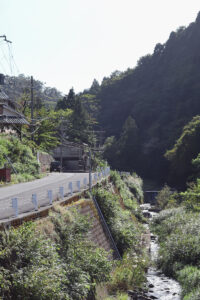
Instantly, we were captivated by the scene surrounding us; a mountain on one side and a river just across the main road on the other, we found ourselves immersed in the charismatic walk into the past. We will also be staying a few nights in this Town at Yao-kumagawa, the hotel that drew us here.
Environment of the town
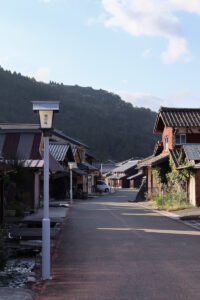
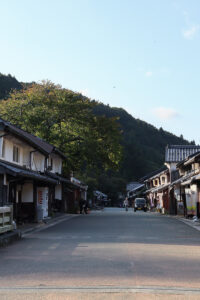
The town is located along an alley parallel to the main road, stretching for around a kilometer and a half, and both sides are surrounded by traditional Japanese houses and structures, where a good number of them are shops and diners run by the locals.
With some amount of modernized elements, like certain storefronts and street lights, the town was unmistakably developed to welcome tourism, while still carefully preserving the original buildings and houses. With many residential structures still inhabited by the locals, the town retains a peaceful environment, to a certain extent, and gives a unique flow of quiet liveliness reminiscent of that of a residential area, detaching it from being completely an attraction, an element of which we appreciate and respect.
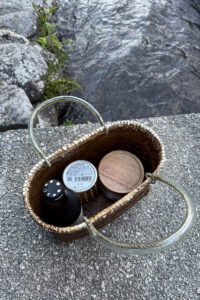
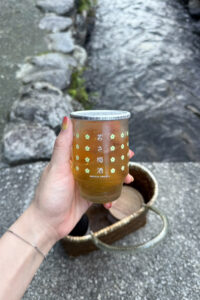
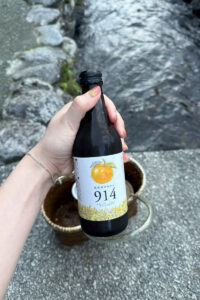
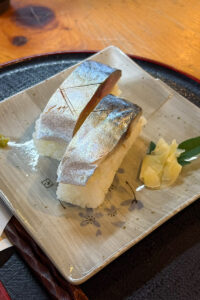
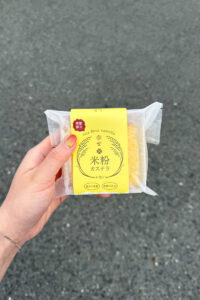
From local goods and delicacies to secondhand items, the shops are operated in a more subtle manner that does not excessively interrupt the surrounding presence of a preserved site, whilst providing just enough to see and experience. From the local products available in the area, rice, ume (plum), mackerel, heshiko (fermented mackerel), kuzu (arrowroot), yakuzen-cha (medical tea), and more, we found ourselves immersed in the flavor of the local, one which will be etched in our memory for a very long time.
A day in Kumagawa-Juku
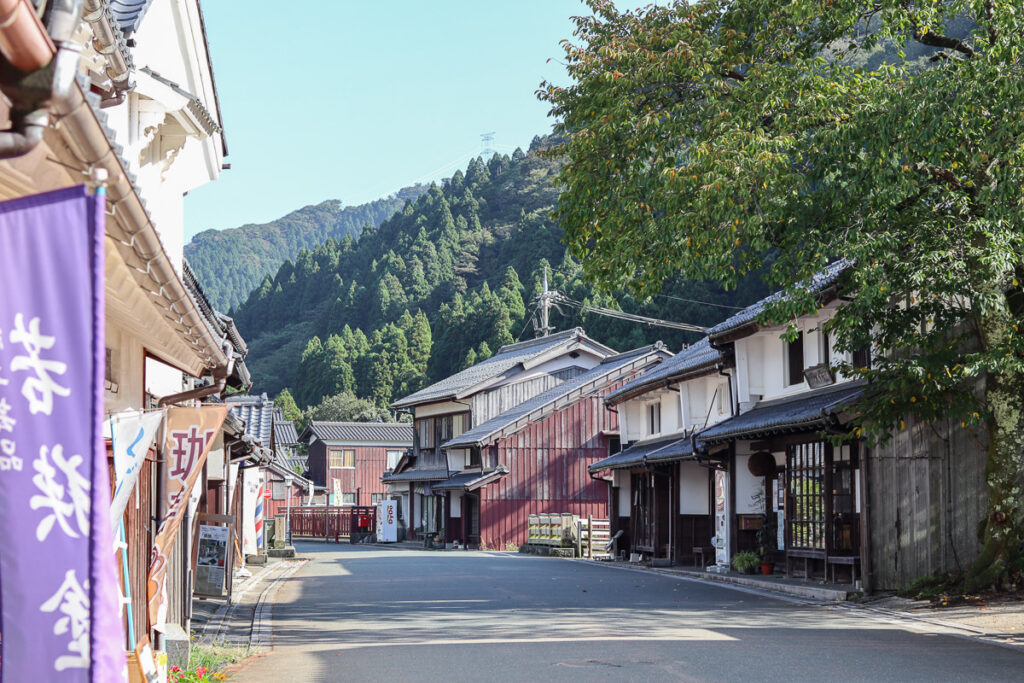
We spent around an hour walking up and down the street, trying the local food from the stores set along the path, stopped for some soft cream, and spent some money on the local pottery shop. In some ways, it reminded us of the old towns we visited in the past, Magome-Juku and Narai-Juku. Wherever we walk, sit, dine, stand, or browse through one of the stores, large wooden beams and frames supporting and laying out the interior structures surround us and give us a glimpse of the past.
The flooring creeks, announcing its presence, telling us of the countless seasons it has persevered. The whole town has its own breath and moves at its own pace. For a short amount of time in that small town, we were transported to another period, mixed with modern times, yet far away from the worries of the present.
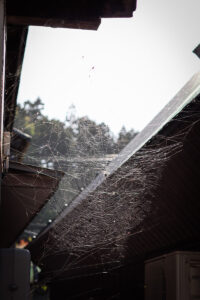
Weirdly enough, we found ourselves discussing what it would be like a few centuries ago if we were to be walking through the same street, what the people then would be doing, what they worried about, what the stores would be selling, and even what the quality of the air would have felt like, all while marvelling at the local spiders and their intricate webbing system on the houses along our way.
How we feel about the post town
In that couple of hours, it was enjoyable, relaxing, and peaceful, just strolling along the path, talking quietly, capturing the moments through the lens, and interacting with the local businesses and the kind regulars who exchanged words with us, albeit with our broken Japanese.
Before the sun had settled, we went back to the souvenir shop at the car park, grabbed ourselves some rice, local fermented products, some products made from plum, and some mackerel sushi for the ride to our next destination.
May you have as good a time there as we did!
With love for travelling,
Travel Tegami

The Closing: Our recommendation for Kumagawa
What the place was to us is not an ever-so-popular destination for everyone with a load of stores and places to visit, but a more peaceful option to relax and take your time enjoying the scenery slowly, take a few photos, and enjoy the little details of the town and its surroundings.
With that said, it also meant that the town has not yet found itself to be a very popular tourist destination, and some may find that it is a little bit lacking in terms of things to see and do. If you are interested in a more popular spot, check out Shirakawa-go.
However, the town is quite rich with local produce, traditional pickled food, and other delicacies, like Heshiko (pickled mackerel), a dish we also had at Shorenin Monzeki-mae TSUKIOKA in Kyoto, so if you are eager to explore the food culture, you could find your interest in Kumagawa.
The saba sushi and other related dishes are a must-try, as the town is a part of “Saba-Kaido” or “Makerel road” in English, from its use for transportation of makerel and seafood in the old times.
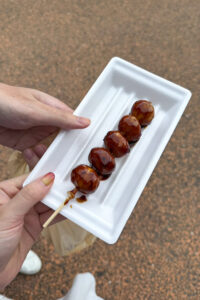
Our Picks: Co Neru Bakery (open Sat & Sun, 11 pm-2 pm), リサイクルうさぎ (great dango), THEE COFFEE (ジーコーヒー), Marushin (dining), Jakushuyo (pottery & experience)
Things to know
- We recommend coming on weekends for the best chance that most of the stores are open; even then, there are not too many stores. During weekdays, the souvenir shop and some diners are open, but expect that some may be closed.
- We stayed there from Friday to Sunday at Yao Kumagawa, and some of the stores seem to never be open during that time, so expect not to see all the stores open; however, the stores in ‘Our Picks’ are all open on the weekends. Co Neru, リサイクルうさぎ, and Jakushuyo may have been closed on Friday, and there are no ‘operating hours’ for most places on Google Maps.
- We went there at the beginning of high season in the last quarter of the year, and the images you see on this site and our social media really look like that.
- As you are in Wakasa, the region is also famous for a craft called Wakasa-nuri, prominent in the city of Obama, which is famous for its chopsticks.
See how we plan a trip that ended up in places like this in Japan, and our thoughts on trains vs cars in Japan.