
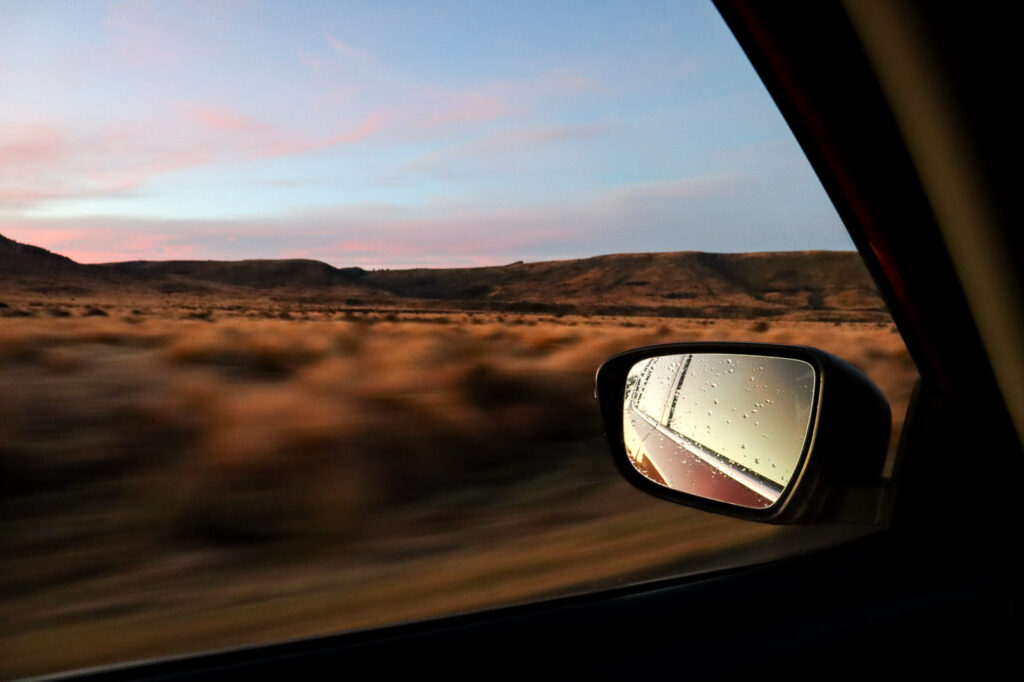
Having spent several months renting cars and driving around New Zealand on many separate occasions, we can say that having a car is almost essential for exploring the country efficiently as a tourist.
Explore wherever you want at your own pace, escape the touristy spots, and go out and see the country in your own way.
Travel Guide/Tips
Renting/Driving A Car
This may already be a part of your plan if you are looking to visit NZ. The article will give you a bit of insight into what it is like to drive there as a tourist, based on our experience; it is not hard! We will also provide tips and things to be cautious of, and put driving in New Zealand into perspective to give you an idea of what to expect.
The Basics
In a short, easy way, we will explain what you need to know first.
The Driving License
If your country has an English translation on the license, you will be able to use that. Otherwise, having an international driving permit issued, it should be a simple process (depending on where you are). As our driving license (TH) already has English, we are able to use it as is.
Driving on the left-hand side
For those who drive on the right, getting used to it is not too hard, just a bit of adjusting as you go. Thailand also drives on the left, so we had no problem, but we have tried driving on the right in Europe, and although it feels weird, you will get used to it. Just keep in mind that when you make a turn out of an alley or between buildings, we find those moments get you sometimes, especially when there is no car passing by.
Strict Driving Rules
Follow them, or you will be caught. Cameras and police cars are EVERYWHERE. Respect the speed limits as you drive along the country’s roads. Seeing people get pulled over feels very common on a road trip in the country, even in the mountains sometimes.
A heavy warning, especially if you are from a country with more ‘freedom’ on the road, such as Southeast Asia and even Japan (on the speed limit part). People are normally strictly driving at or around the speed limit in NZ. I have not seen anyone go more than 10 kph over the limit, and going over it is not too common in the first place. Legally, you can be fined for going just 1 kph over the limit. Just stick to what the sign says.
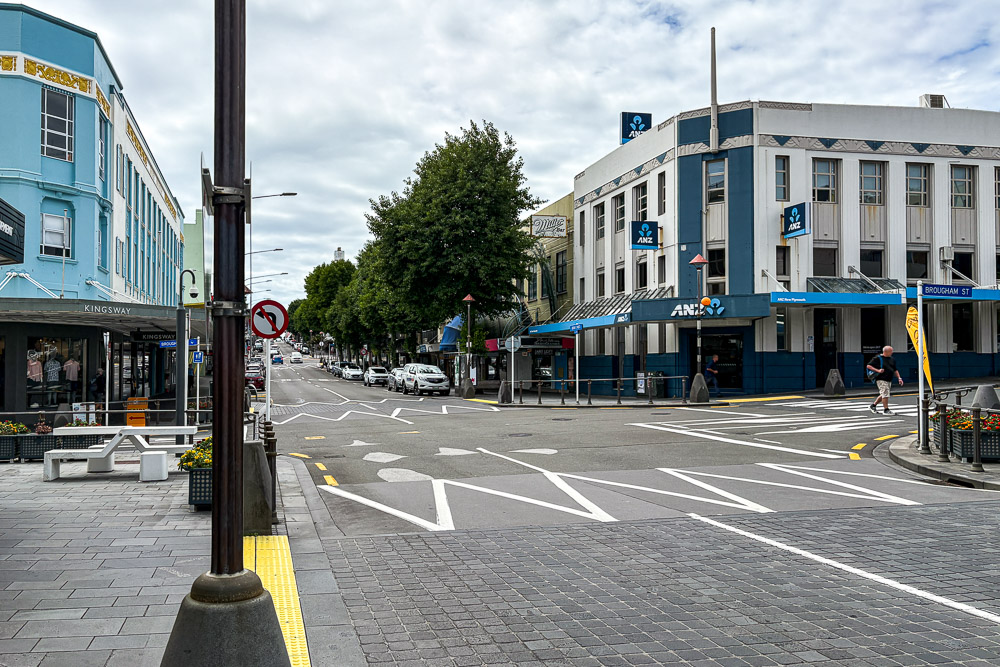
What to do if you get pulled over, photographed, or issued a ticket for illegally parking in New Zealand
Well, sometimes it happens… Anyway, there is a tier system that will fine you based on how fast you are going over the limit, starting at $30. Still, if you do get one, you can probably expect to bid farewell to a $100 bill or more. All the tickets can be paid for online, with a time limit of a certain duration.
We have seen a line of over ten cars getting a parking ticket in Queenstown on the day after New Year’s Day, and this happened in a street with hardly any traffic. The lesson here is not to believe you can get away with following the crowds.
Check your email from your car rental when you are back home. If you do get caught by a camera, your car rental will notify you, and you will have to pay for the ticket online.
With that out of the way, we can jump to a more interesting part.
The Things You Might Not Know Yet about driving in New Zealand
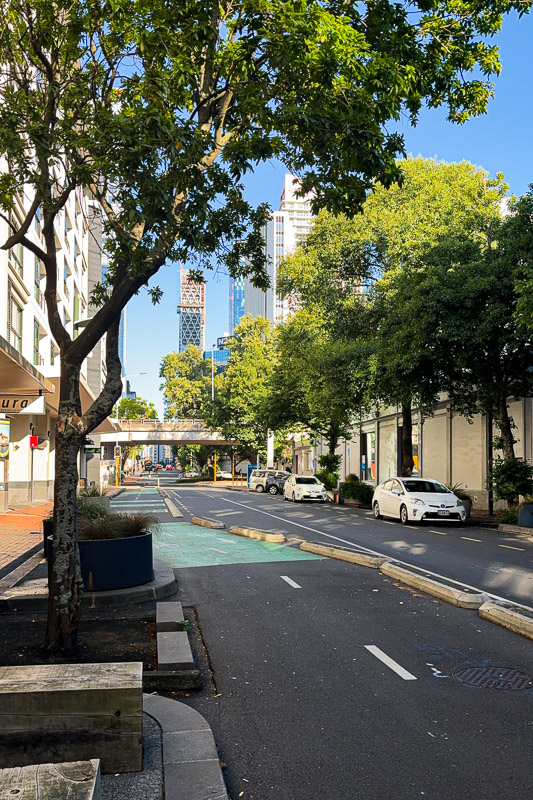
There are a lot of roundabouts
For someone coming from a country where roundabouts are not really used at all, frequently having to navigate through them for the first time can be a little frustrating, but you will eventually get the hang of it. It is best that you learn how to use them correctly. There are loads of videos online you can watch, and we recommend that you do.
There is a lot of construction going on
You may have seen reels about it somewhere on social media, and it really is true. Countless cones can be spotted along the way to your destination, and they could be putting cones down a hundred meters before the actual road work; sometimes you will pass it, confused, as there seemingly is nothing being done. Just slow down and adhere to the warning signs, or simply follow the car in front of you. It is better to be safe for both you and the workers.
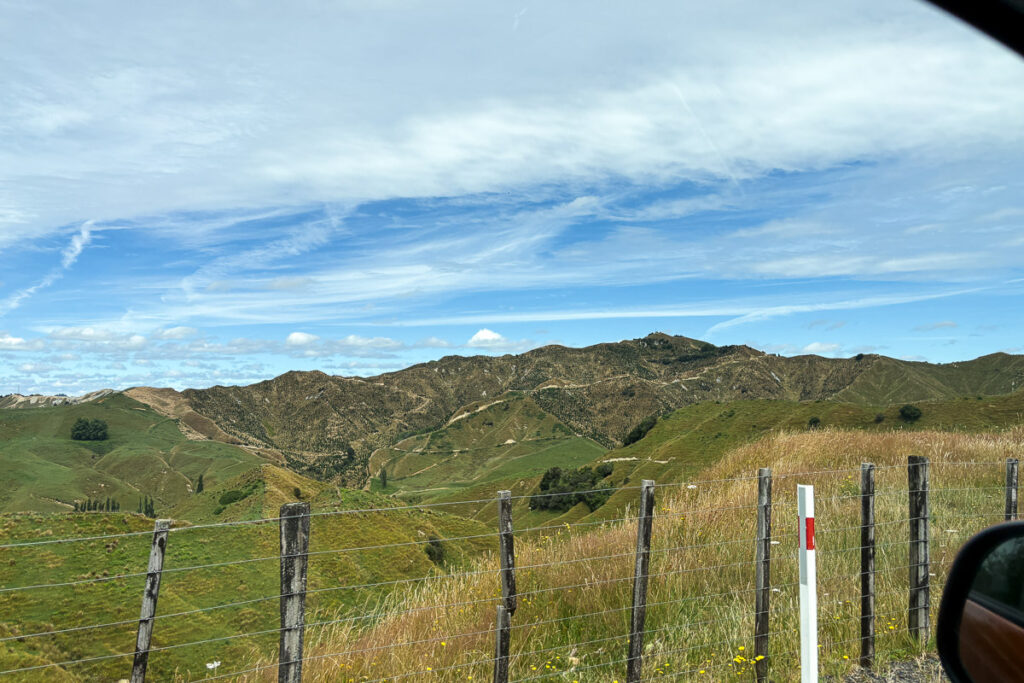
People drive fast in the mountains
One of the things we found amusing is that the speed limit on certain safer roads is so slow, yet on the mountain somewhere, it will be a hundred, and the people there will be driving fast. For someone who may not yet be familiar with driving on the winding road along a mountain, do not feel too much urge to go faster, even if a lot of cars are lining up behind you.
For the safety of yourself and the people sharing the road, stick to the speed you are certain that you can handle well. There is no need to try to match the other cars; use one of the slow vehicle bays or the stops that will be present along the way to slow down or stop to let others pass safely instead, and please do not start speeding up profusely once you enter a passing lane as the road becomes easier.
It is not a race; even if some of the locals drive like they are in a rally, you will get more comfortable with the road and naturally be able to speed up a little as you get used to it.
Even some of our New Zealand friends say they are afraid to drive some roads there, most notably the Forgotten Highway.
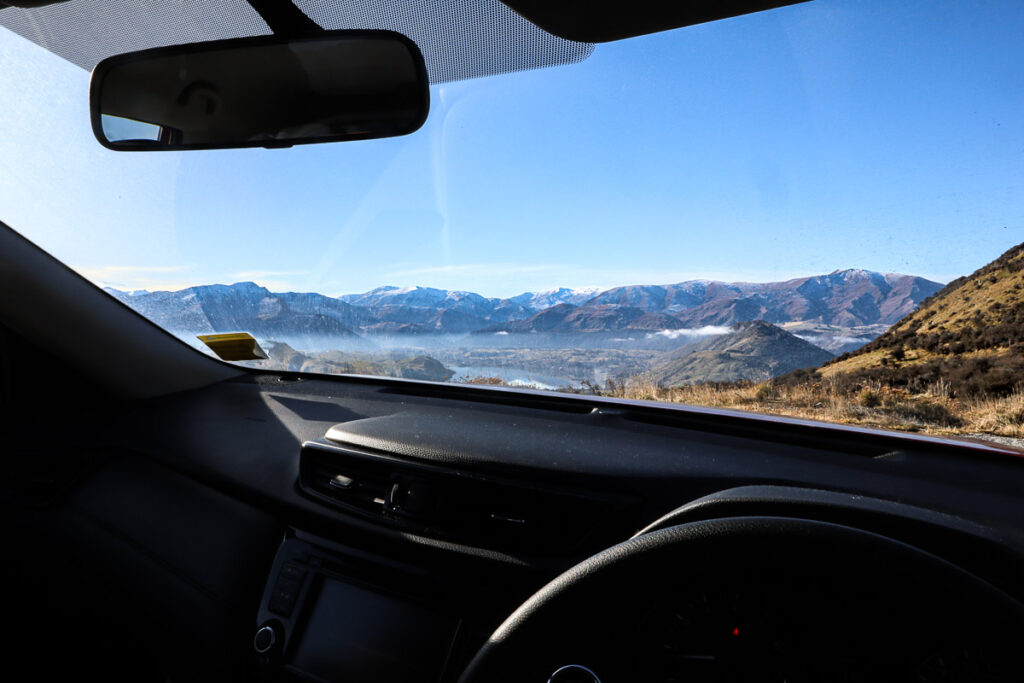
Random beautiful spots are everywhere
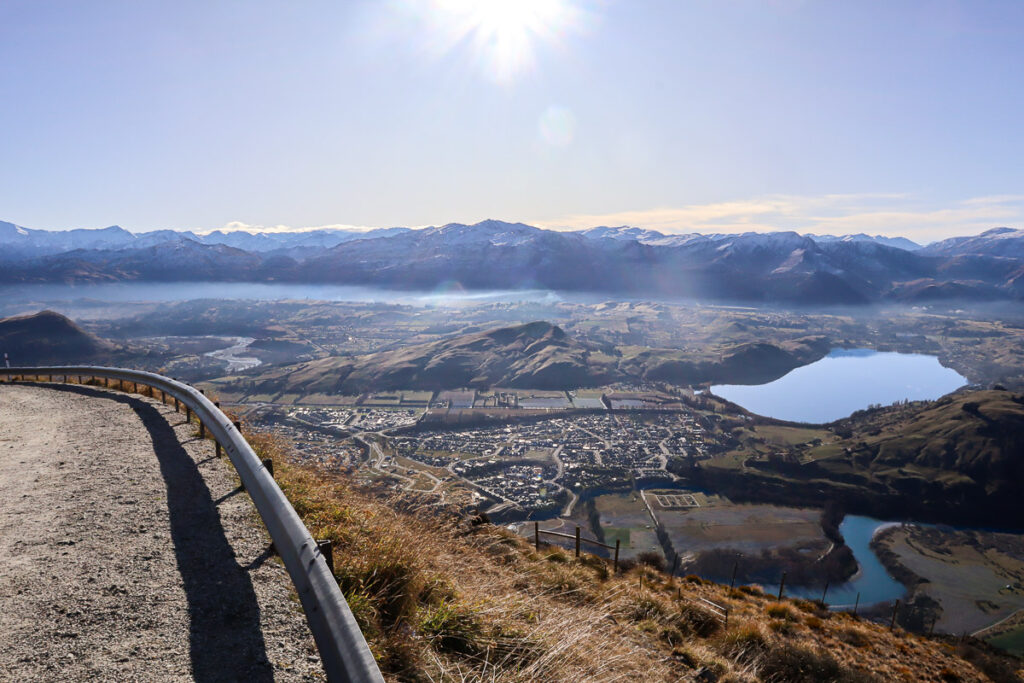
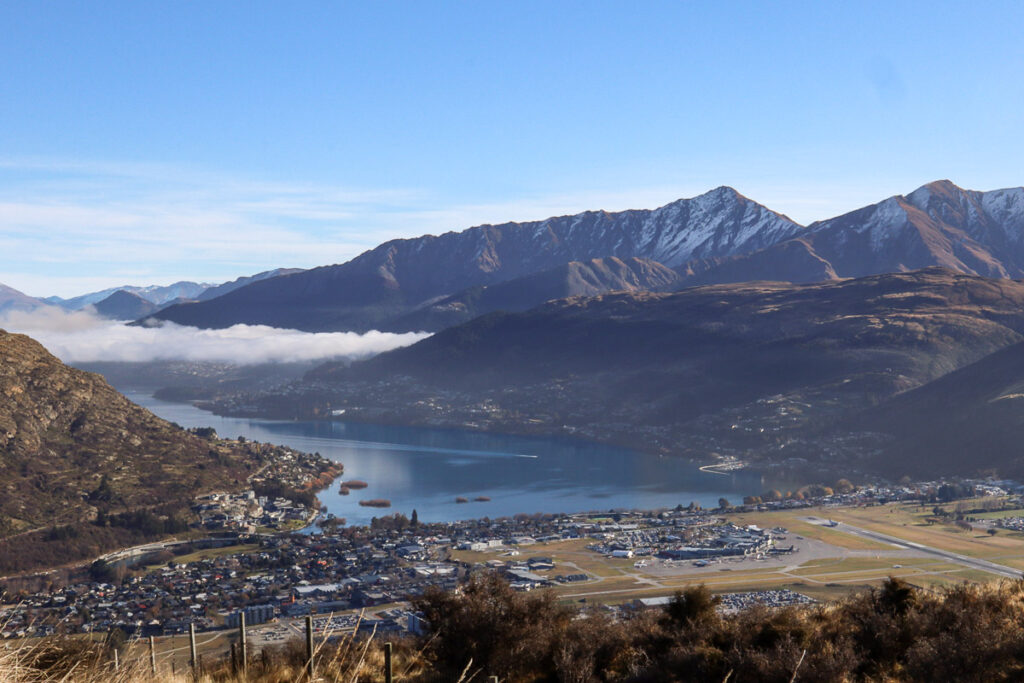
Random beautiful spots and scenery jump out at you, no matter where you are. We found that some of the most incredible scenery lies along the way.
Keep an eye out for signs for a lookout spot along your road trip and stop at one to appreciate the country outside of the usual touristy spots. Visit our journey through the west coast of the South Island and a stop at Franz Josef for an idea of what you can expect to see.
If you are planning to visit the popular destinations like Lake Tekapo, consider reading our comparison between the lake in autumn and summer. Alternatively, find out whether Wanaka is really just a tree in the lake.
Some Tips For Car Renting in New Zealand
Car rental charges young driver fees
Normally, for those under 25 years old, an extra fee may apply at some car rental companies. Be aware of the extra charges that may be incurred. For younger travellers, we recommend going with a rental company that does not have this charge, namely Apex, Mode Rentals, Go Rentals, Ezi, Ace, etc. Do note that other restrictions or extra charges may be applicable for those under 21, depending on the company.
Our personal favorites:
- Apex
- Mode Rentals
Getting a better deal
If you are travelling on a one-way journey across the country, especially for those going from the North Island to the South Island or vice versa, check for car relocation deals. Especially before and after high seasons or holiday periods, car rental companies may have to relocate their cars to account for travellers who returned a car in different cities or to optimize for places that are in high demand.
Do keep in mind that in some instances these types of deals may come with a specific car model, or some may not be restored to the cleanest of standards; in such cases, it should not be something that a few sheets of wet wipes cannot handle.
Other types of deals may also be available
Free insurance coverage or a discount on certain models, which usually come with a car a little older than usual, but not that old. If you are on a budget, these little sacrifices can save you quite a bit.
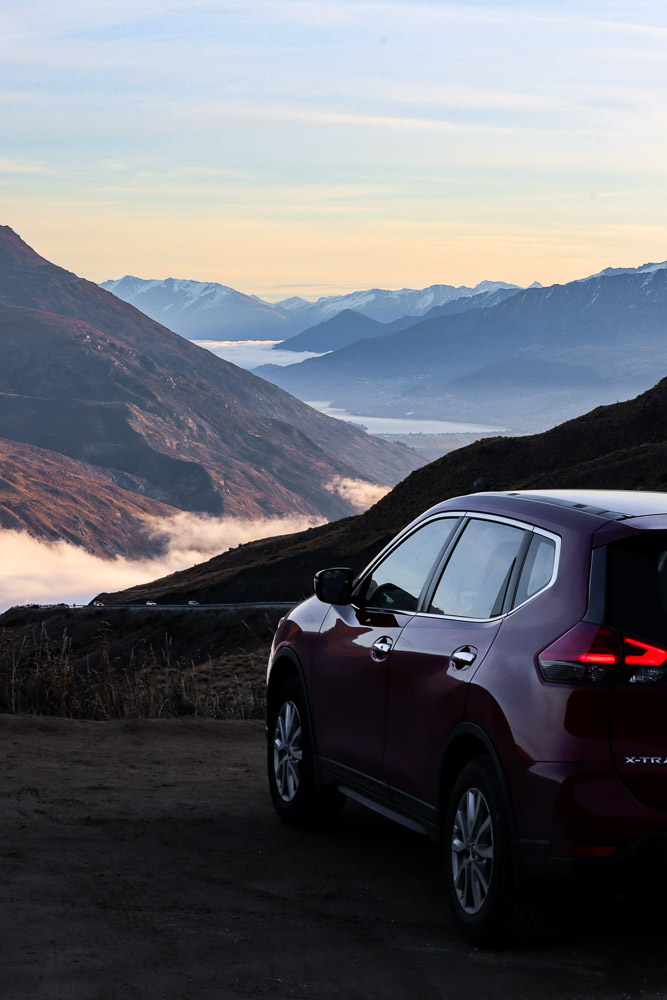
With a rental car, you can reach amazing places around the country, explore more freely, and even discover incredible experiences somewhere you never knew existed. Our stay at a mountain resort near Mount Hutt is a good example of that.
Drive safely and enjoy your trip,
Travel Tegami