

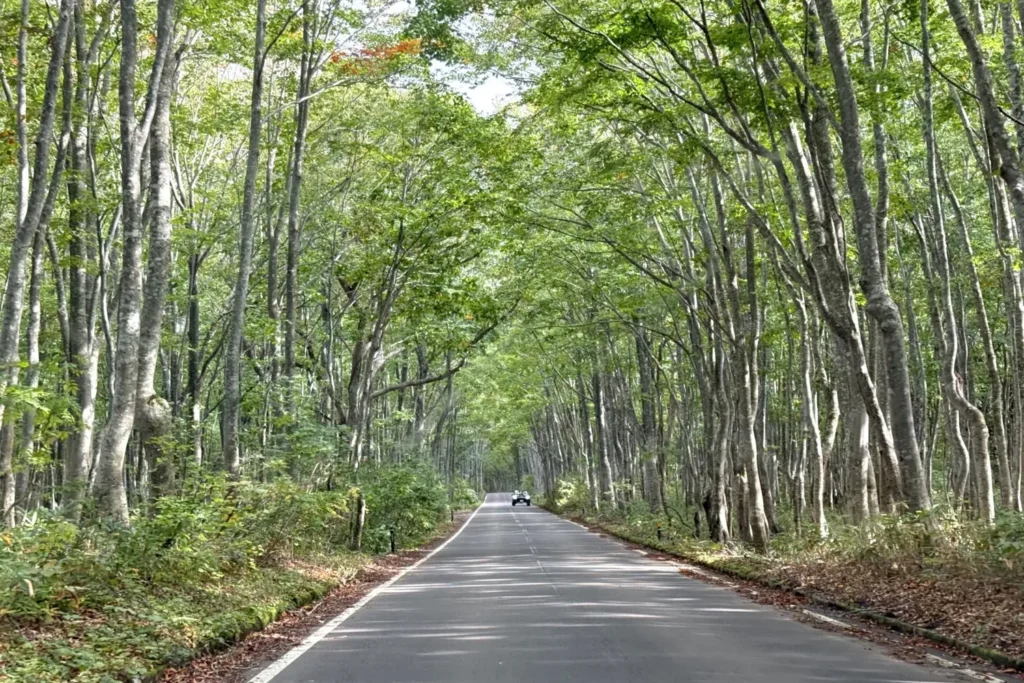
A road trip north from Tokyo to Aomori, travelling through Japan’s Tohoku region. Based on our recent trip, we share where we would suggest stopping, what scenery to expect along the way, and how you might plan the route for yourself.
Trip Overview
Option 1: Driving Only
Option 2: Shinkansen/Drive (Nothern Tohoku)
A Brief Introduction
Dear Travellers,
By the numbers alone, driving from Tokyo to Aomori may sound like a fairly demanding road trip. But if you enjoy driving, it is completely doable. We will take you through the route we followed to Aomori, along with a few suggestions for how we would improve it based on our experience.
We will divide the journey into two options: a full driving route, which is better for exploring more places along the way, and a driving + Shinkansen route, which is the more efficient option.
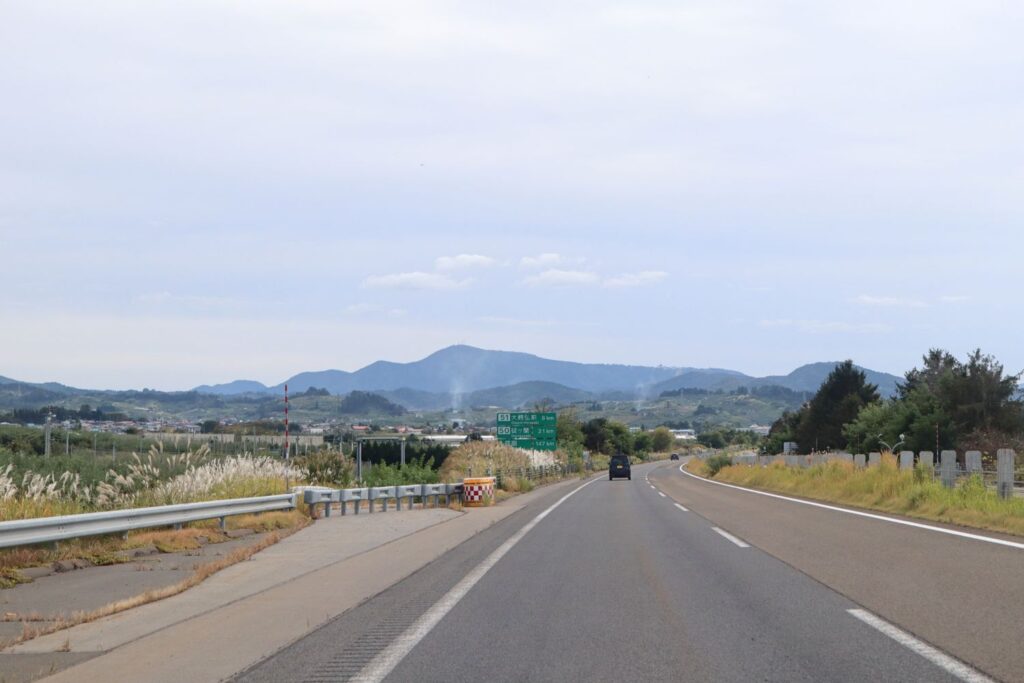
Option 1: Driving from Tokyo to Aomori
Minimum Trip Duration: 7 days, though this would make for a fairly driving-heavy trip with little time for longer stays.
Recommended Minimum Trip Duration: Around 10 days for a more relaxed pace.
This is our driving-only route to Aomori, with stops in Niigata, Akita, Aomori, Iwate, and Miyagi. It is the better option for those who enjoy driving and want to take in more of the scenery along the way. The journey takes more time, but it also gives you the flexibility to visit more places between Tokyo and Aomori.
Each stop refers to at least a one-night stay in that prefecture.
Stop 1 (optional) – Niigata
Driving time from Tokyo: 4 hours
A first stop before you enter the Tohoku area, Niigata, a part of the Chūbu Region, is a good place to stop for a day or two to break up a long drive.
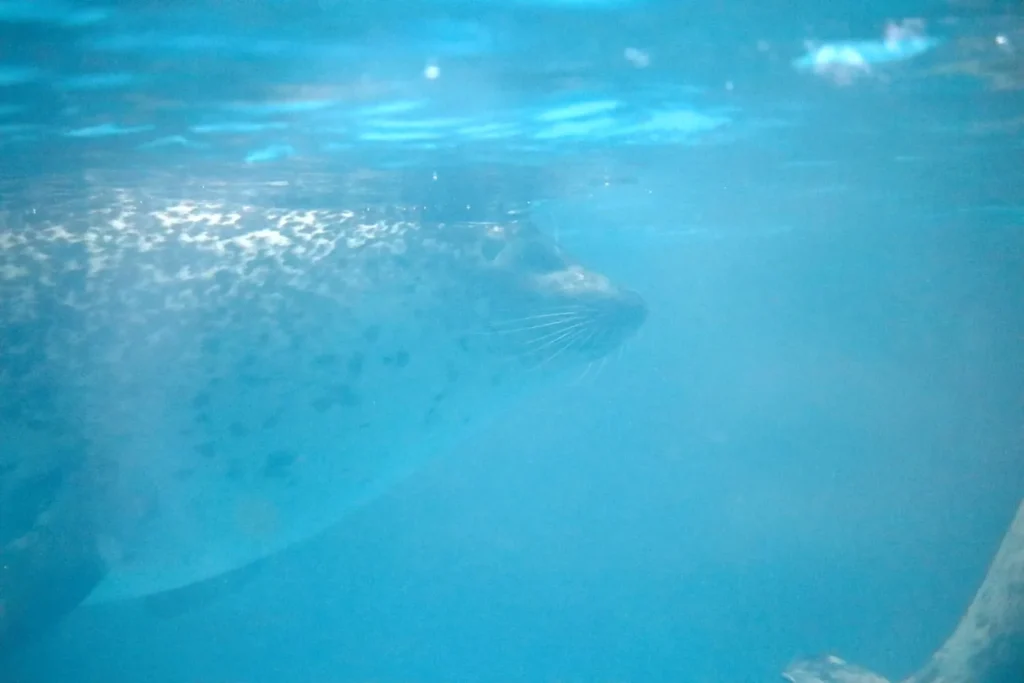
The city offers a more developed coastal vibe with attractions like temples and an aquarium worthy of a visit.
Choosing the route through Niigata also gives you the chance to experience the drive along Japan’s northern coast, while avoiding retracing the same route on the way back.
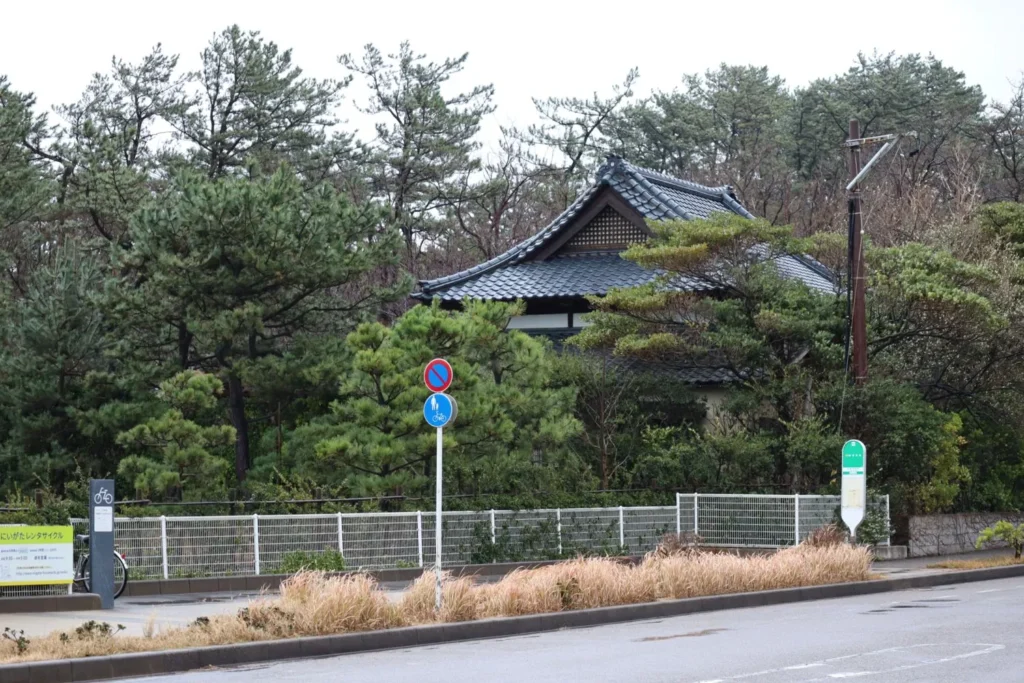
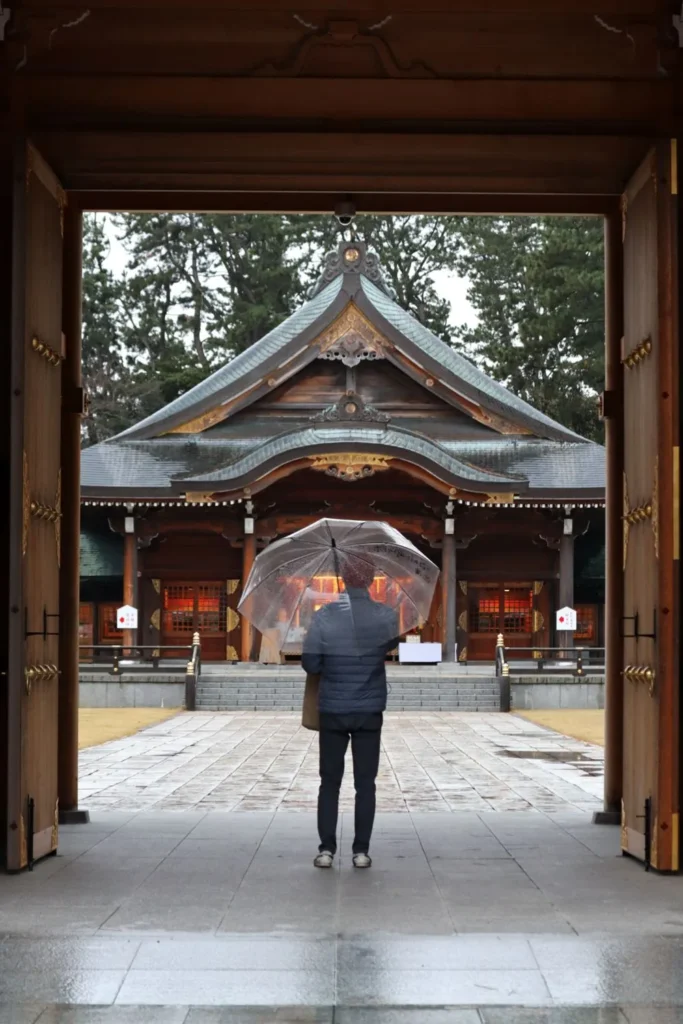
Stop 2 – Akita
Driving Time From Niigata: 3 hours and 40 minutes
Driving Time From Tokyo: 7 hours
Our second recommended stop is Akita, a prefecture with a national park, waterfalls, and a pleasant city to explore for those who would rather avoid an especially long driving day; stopping in Akita after Niigata makes for a more manageable route.
If you want to reach Tohoku sooner, however, driving directly from Tokyo to Akita in one day is also possible, and this is actually the route we chose on one of our trips. As you may notice from the driving times, adding Niigata as a stop increases the overall journey by around an hour, since the more direct route to Akita is shorter.
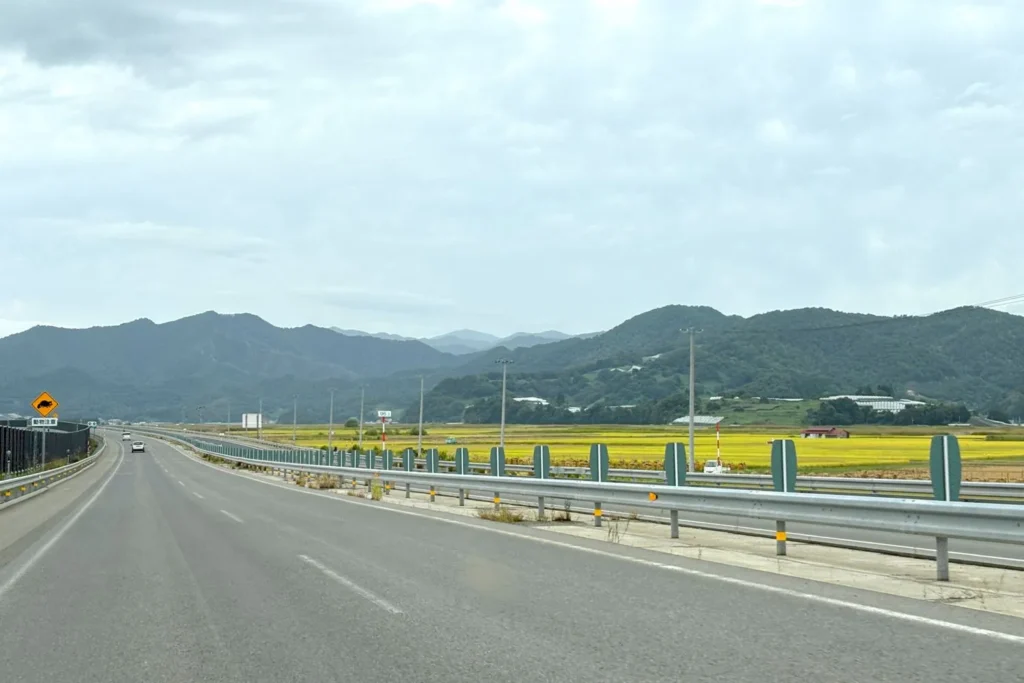
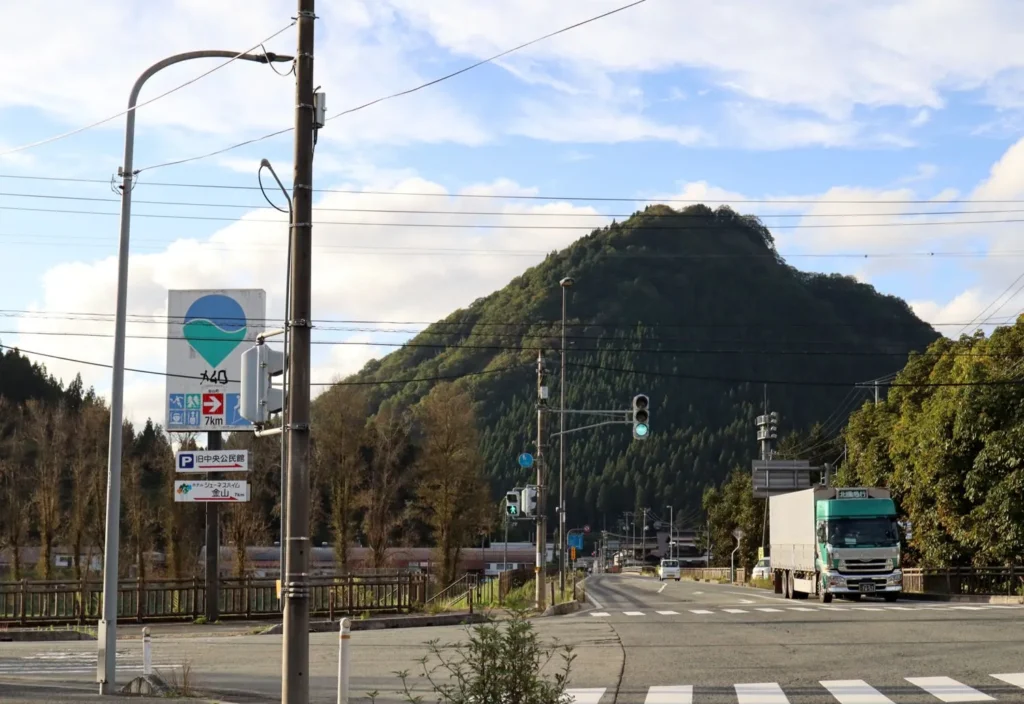
Taking the long Tokyo–Akita route means dedicating a full day of your trip to the road. Although that may sound like a waste of a travel day at first, we actually found the experience much more enjoyable than expected.
Even though much of the day was spent driving on the highway, we made several stops at Michi-no-Eki, or roadside stations. Each had its own selection of food and snacks, and some also came with a nice view.
Many of these roadside stations feature regional products, limited items, and local foods from the prefecture you are passing through. Stopping along the way and picking up different snacks became part of the experience in itself.
The scenery also becomes quite breathtaking at certain points along the drive, making the journey feel much more enjoyable—and noticeably shorter than the hours on the map might suggest.
Stop 3 – Aomori
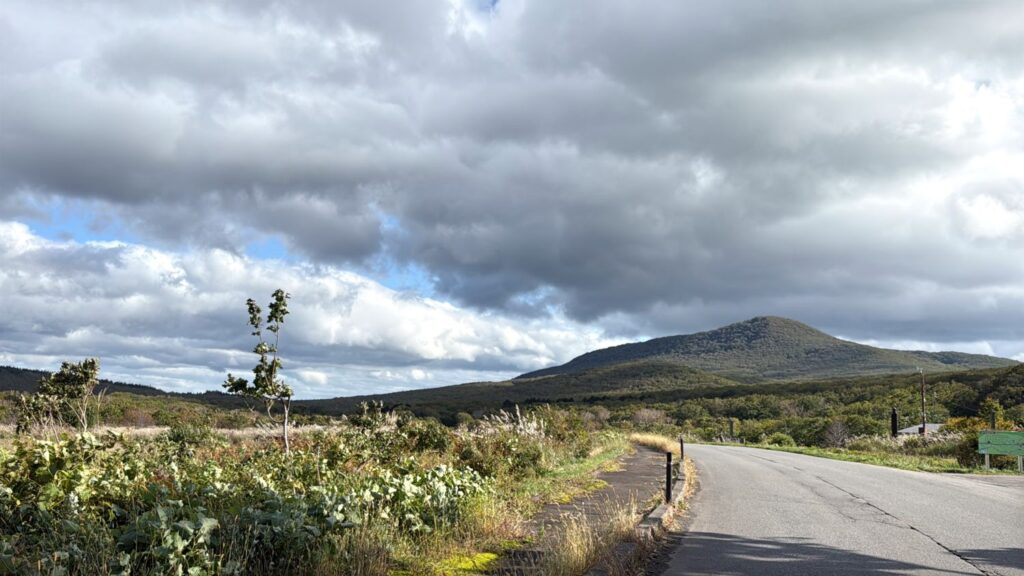
Driving Time From Akita: 2 hours and 30 minutes
This is the point where you can slow down and enjoy reaching the furthest destination of the trip. We recommend spending at least two nights in Aomori and taking some time to explore the city.
The drive from Akita is short enough that, if you leave early in the morning, you can arrive around the time most places begin to open and still have much of the day ahead of you.
We would not recommend staying only in Aomori City, however. Adding at least one night around Oirase Gorge or Lake Towada is, in our opinion, a must and gives you a very different side of the prefecture to experience.
Driving from Aomori back to Tokyo
Rather than retracing the same route back—if you travelled north via Niigata—you can now loop around the other side through Morioka and Miyagi instead. This is also the faster return route, while giving you the chance to visit more places and see a different stretch of scenery along the drive.
Stop 1 – Morioka (Iwate)
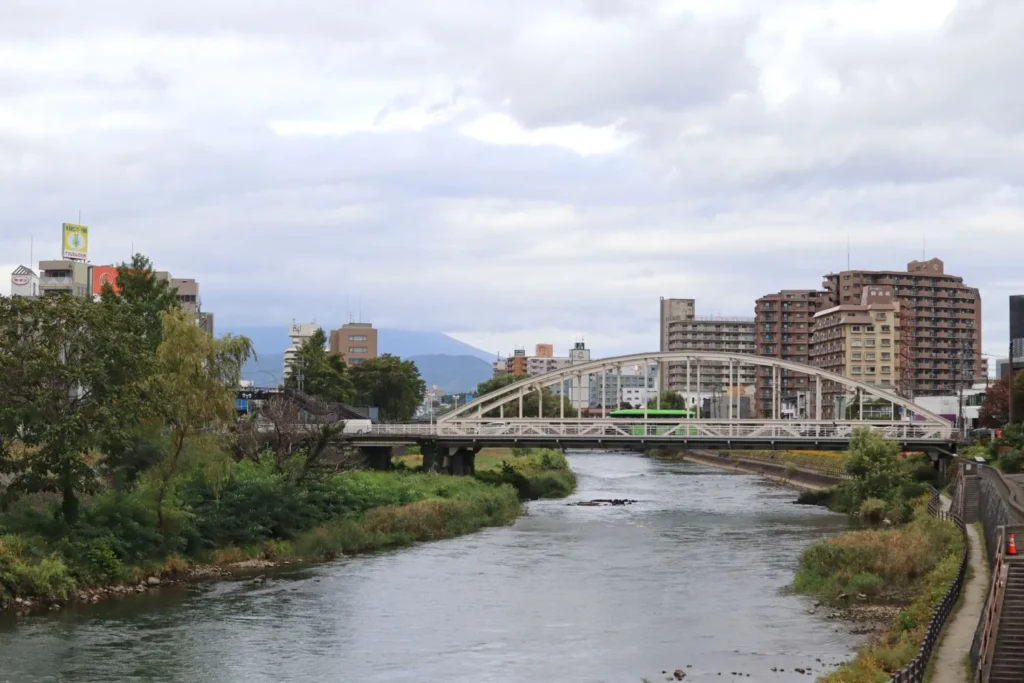
Driving Time from Aomori: 2 hours 20 minutes
A smaller city surrounded by the mountains, often overlooked by many, Morioka City and the town of Shiwa were actually the unexpected highlights of our stay. We recommend stopping here on your way back.
Stop 2 – Miyagi
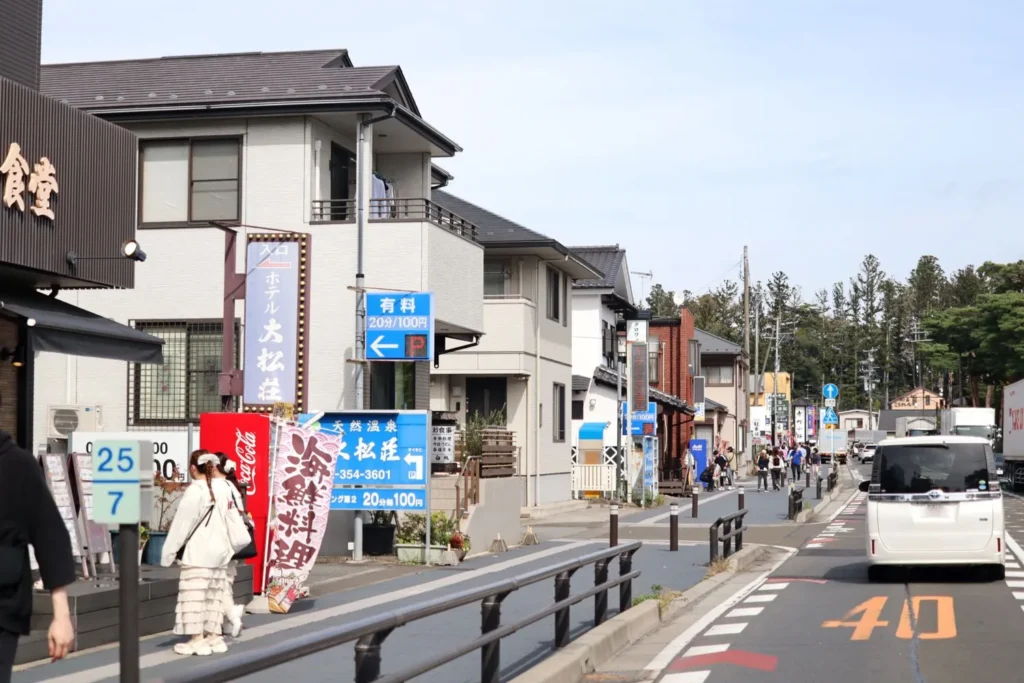
Driving Time from Morioka: 2 hours 20 minutes
Stop in Sendai, the largest city in Tohoku, or Matsushima, a livelier seaside tourist spot, and enjoy the seafood.
Stop 3 – Ibaraki (Bonus)
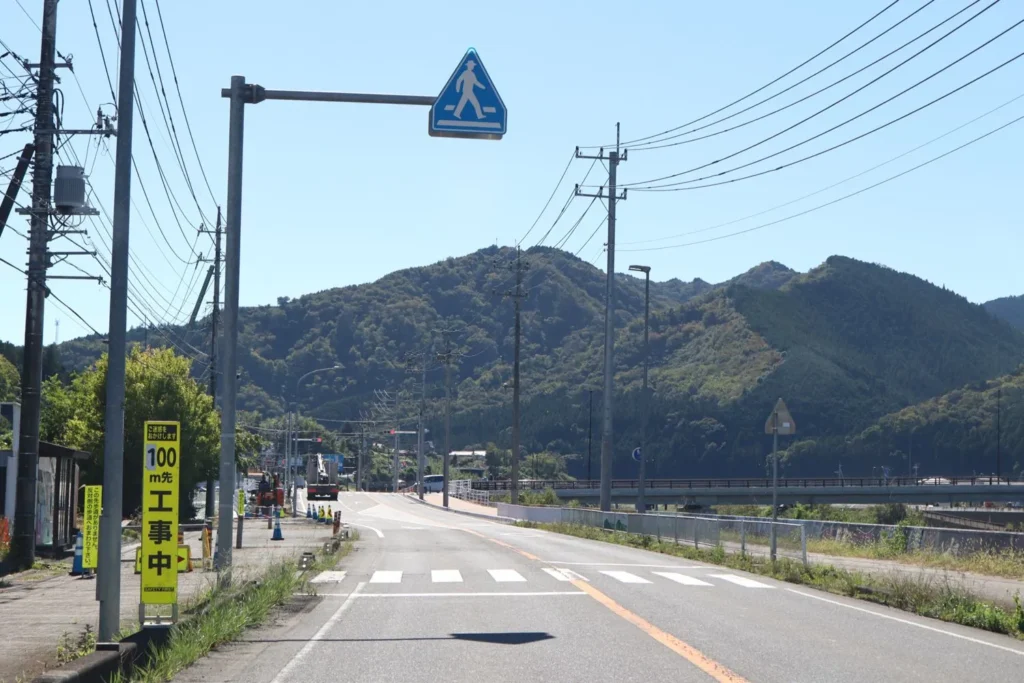
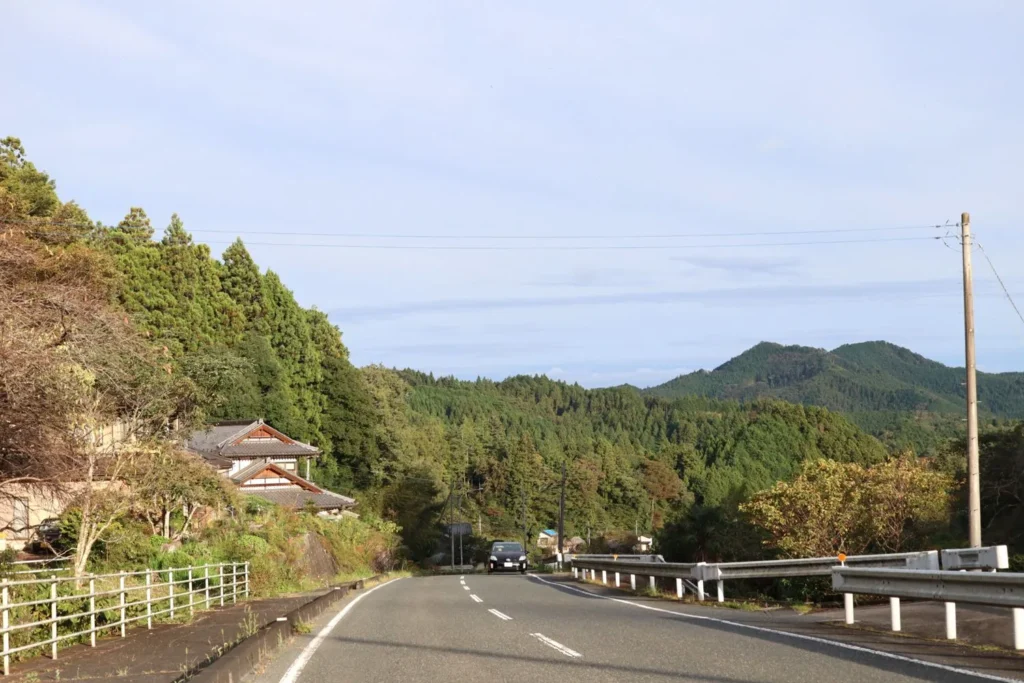
Driving Time from Sendai: 3 hours 10 minutes
If you prefer a shorter drive on your final day, Ibaraki makes a good additional stop. As part of the Kanto region, it sits conveniently between Sendai and Tokyo and can help break up the journey.
The prefecture itself is also beautiful, with at least one highlight we would recommend visiting if you have the time.
Stop 4 – Tokyo
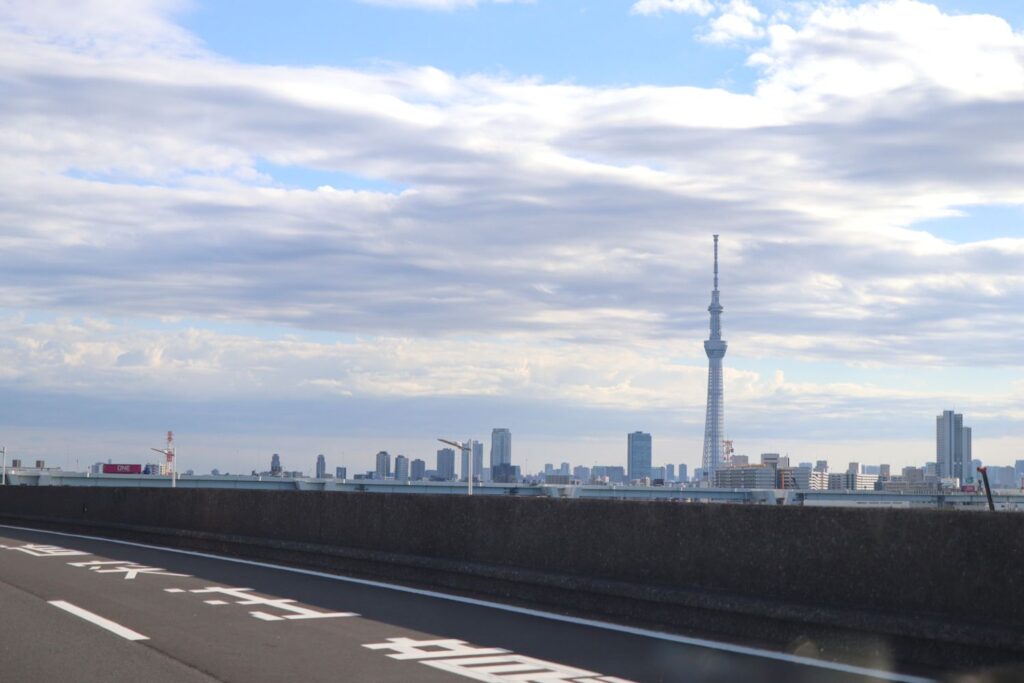
Driving Time from Ibaraki: 2 hours 15 minutes
Driving Time from Sendai: 4 hours 20 minutes
We recommend setting your rental car return time for the late afternoon so that you do not have to rush on your final day. If possible, we would also avoid arriving back in Tokyo during the evening rush hour, around 17:00, when traffic can become considerably heavier.
Returning the car on time is important, and we also recommend notifying the rental company if you expect to arrive either earlier or later than your scheduled return time. A late return may result in additional charges, which can become quite expensive depending on the rental company and how late you are.
Important Things to Note and Tips for the Drive
Important notice for hotels: If you plan to drive in the evening or arrive late at night, contact your hotel in advance to confirm the latest check-in time and give them an estimate of when you expect to arrive. Many hotels in Japan, especially ryokans, can have stricter check-in policies.
Car rental note: In early winter, rental cars in Tokyo may not yet come with snow tyres as standard, even though parts of Tohoku may already be seeing snow. We therefore recommend checking the weather and road conditions at your destination before booking your car.
A tip for a long drive: This is also a great time to book a hotel with an onsen. Tohoku has plenty of options, often at very reasonable prices, and after spending most of the day sitting in a car or behind the wheel, ending the day in an onsen can be incredibly relaxing.
A tip for visiting smaller cities: Another thing worth considering is which day of the week you will arrive at each destination. In smaller towns, cafés and independent shops often close on certain weekdays, so if visiting a particular café is one of your main reasons for stopping there, make sure to plan around its opening days.
Driving duration: The driving times we provide are estimates and will vary depending on traffic conditions. We had no major issues with traffic once we reached Tohoku, but you should still expect the actual journey to take longer than the time shown on the map. On a long drive, you will also need to account for stops for food, toilets, fuel, and breaks along the way.
Option 2: Shinkansen to Aomori
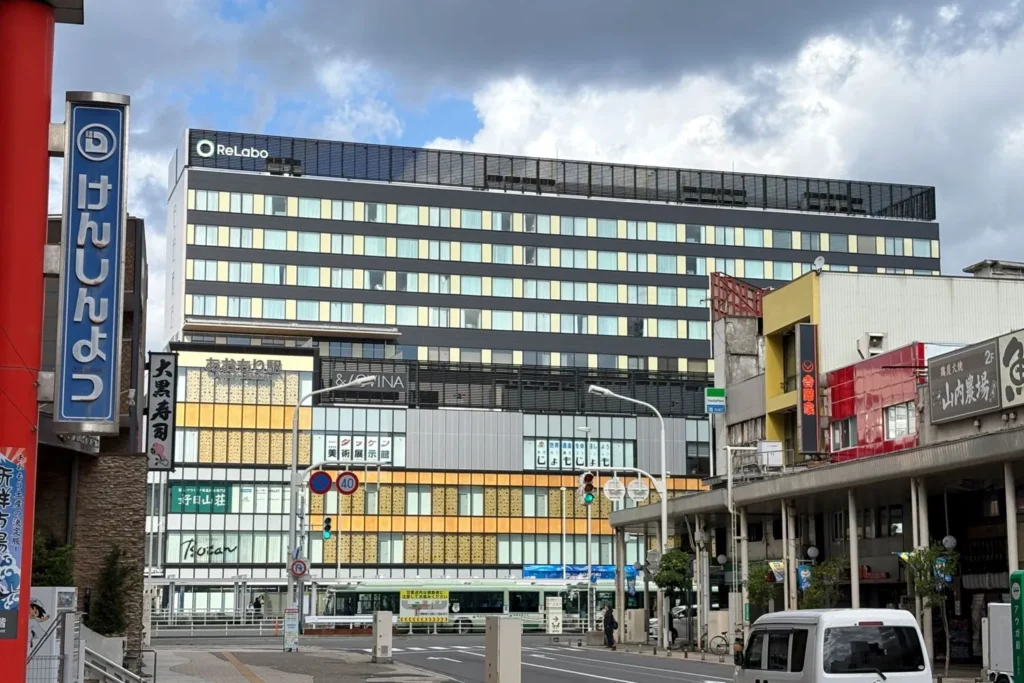
Minimum Trip Duration: 5 days, allowing enough time to explore Aomori and visit either Akita or Iwate.
Recommended Minimum Trip Duration: Around 7 days or more, for a more worthwhile and relaxed trip.
This option is better for maximising travel efficiency. Instead of driving the entire way to Aomori, we recommend taking the Shinkansen, which cuts the journey time considerably compared with driving.
After arriving in Aomori, we recommend renting a car locally and using it to explore beyond the city, including Akita and Morioka in Iwate. This route focuses more heavily on northern Tohoku and gives you more time to properly explore each destination.
For many travellers, we think this offers the best balance. We would particularly recommend it for those who do not want to spend too much of their trip driving and whose main priority is visiting Aomori. For more on finding the right balance between driving and taking the train in Japan, visit our guide to driving and train travel in Japan.
The trade-off is that reaching prefectures further south, such as Miyagi, Yamagata, and Fukushima—or even the southern parts of Akita and Iwate—becomes less convenient. If you plan to return the car in Aomori to avoid a potentially higher one-way rental fee, you will eventually need to drive north again rather than continuing naturally towards Tokyo.
A Note from our Experience
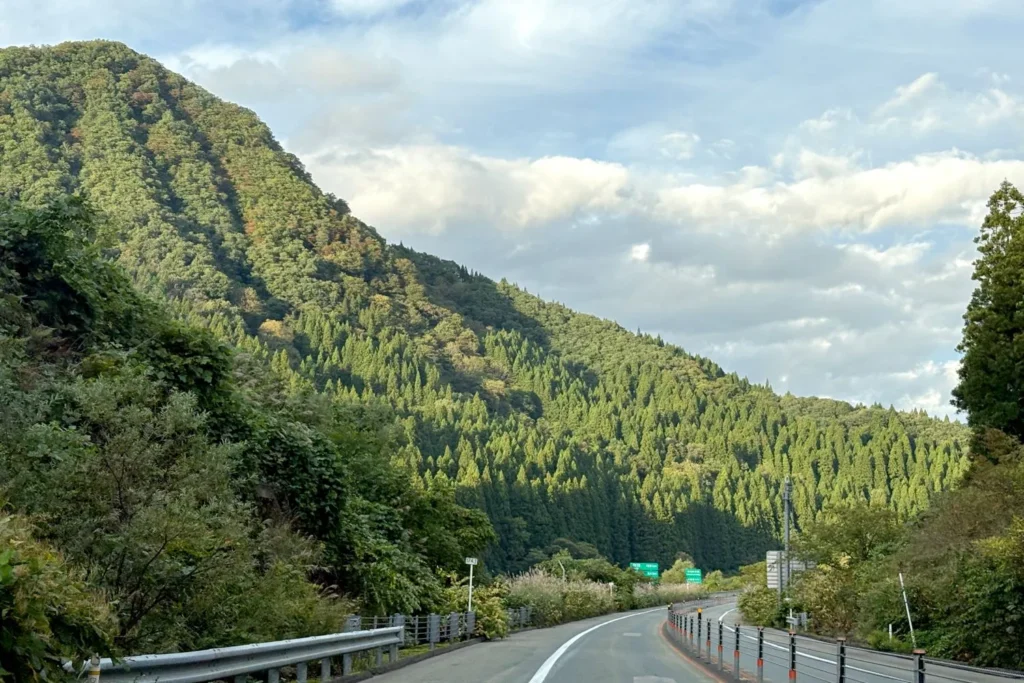
If you are wondering whether we had a good time driving to Aomori, the answer is simply yes. We had a great time and would gladly do the trip again.
Driving in Japan is relatively easy and straightforward once you get used to it, and the scenery through Tohoku made the journey especially enjoyable. Around harvest season, we drove past rice fields turning golden yellow, with mountains lining the horizon and a general sense of calm throughout the route. Even a long day on the road still felt like part of the trip rather than simply a way of getting from one place to another.
That said, we do think you need to enjoy driving to a certain degree to get the most out of this kind of road trip. Large portions of the journey are also fairly straight and can become monotonous, especially over several hours, so we would recommend travelling with another driver if possible.
If we had to name one downside, it would be time. We completed the route in around 9–10 days and still felt that we could have used more time to explore each prefecture along the way. Three nights in Aomori, however, felt quite sufficient for experiencing both the city and some of the surrounding nature. Overall, even though the trip felt slightly short, we still enjoyed it very much.
This is also why we recommend taking the Shinkansen directly to Aomori as an alternative if you have less time. It gives you more time to focus on the destinations themselves rather than spending a larger portion of the trip on the road.
We hope you enjoy your trip to Aomori and around the Tohoku region. For road trips in other parts of Japan, we also recommend our Kyushu road trip itinerary and our itinerary for driving around Okinawa.
May you have a safe trip and enjoy the drive,
Travel Tegami