
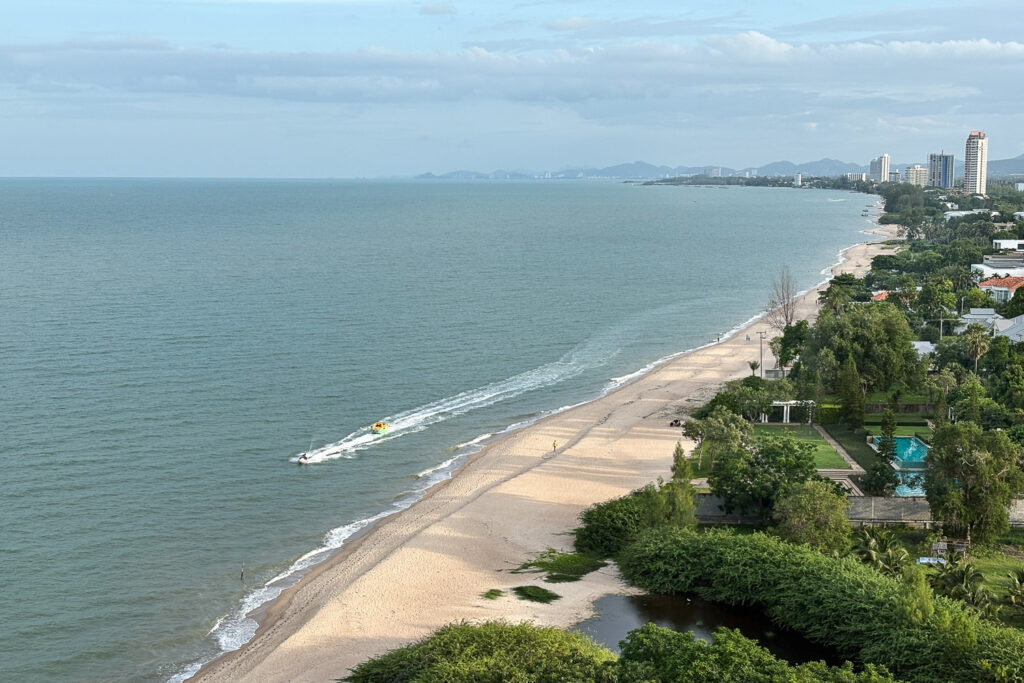
Among Thailand’s many popular beach cities, towns, and islands, Pattaya, Phuket, and Koh Samui are often the first places that come to mind. But what about Cha-am and Hua Hin?
For decades, Hua Hin has remained a quieter, secondary choice among international visitors. For Thai travellers, however, it has always been a familiar favourite—a place for easy weekend escapes and, for those living in Bangkok, a frequent alternative to Pattaya.
In this guide, we will introduce you to Hua Hin and also touch on the neighboring town of Cha-am, as many Thai people know it: what the town means to us, why Bangkok residents return so often, and how we usually spend our time there.
Quick Navigation (Table of Contents):
What is Hua Hin & Cha-am for Bangkok People?
Dear Travellers,
A name like Hua Hin is one that most people from Bangkok will know, and many have at least been there once with their family growing up. A short 3- to 5-day trip is probably the most common way to experience Hua Hin, especially over a weekend or long holiday.
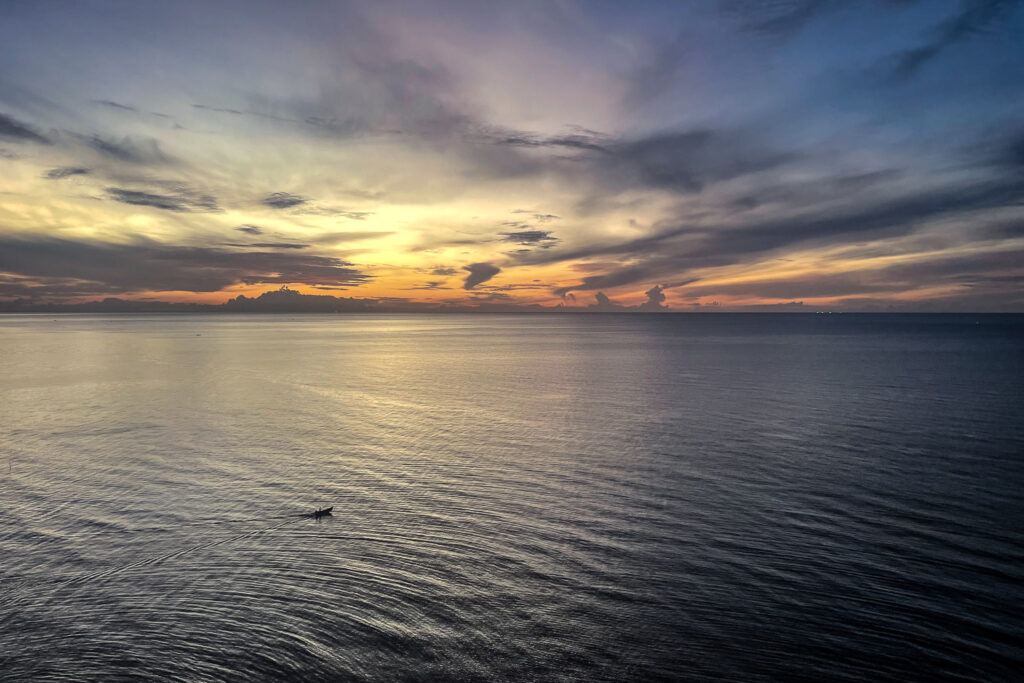
Hua Hin & Cha-am
Cha-am and Hua Hin are neighbouring coastal towns, both known for their beaches. Often, the two names are mentioned, or referred to, together as a single travel destination, but they are not actually the same place.
The towns are clearly separated by a tunnel, which serves as one of the most recognisable markers of the border between them.
Cha-am is located in Phetchaburi Province, while Hua Hin is part of Prachuap Khiri Khan Province. Even so, the two are often experienced as one destination by Thais. Someone staying at a resort in Cha-am, for example, may drive to a popular café or restaurant in Hua Hin, and vice versa.
Characteristics of the Two Towns
Compared with a place like Pattaya, both Hua Hin and Cha-am can be considered destinations for those seeking a slower, more relaxing vacation. Even so, there is a clear distinction between the two.
To put it simply:
Cha-am can be viewed as having a more local Thai atmosphere, with more affordable options for fresh seafood and accommodation.
Hua Hin, on the other hand, is a more developed vacation town, with a greater number of international hotel brands, large shopping malls, and popular modern cafés.
That said, both the local and the more modern or international sides can still be found in each town. Frankly speaking, however, if we had to choose one, we would say Hua Hin caters to a wider range of travellers. It feels more complete as a destination, while still retaining plenty of local options.
Fun Fact
When I was young, I would often hear from my parents about Hua Hin, which is also home to Klai Kangwon Palace, an official residence of the Thai Royal Family and a place where His Majesty the late King Bhumibol Adulyadej (Rama IX), who was beloved by the Thai people, often stayed for extended periods. His Majesty’s close association with Hua Hin helped strengthen the town’s appeal among Thai travellers and contributed to its gradual development into the well-established seaside destination it is today.
In earlier decades, many higher-income Thais also purchased units in the numerous condominium developments around Hua Hin and Cha-am, using them as weekend or holiday homes.
Transportation
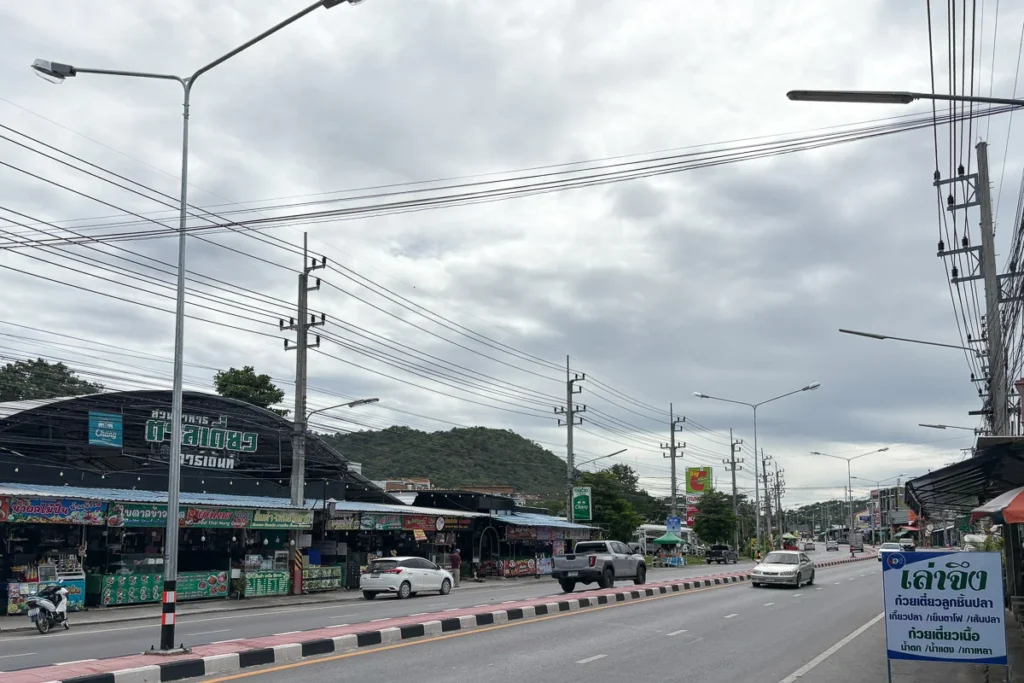
The best way to travel around both Cha-am and Hua Hin is undoubtedly by private or rental car. Although the towns can be reached by bus or train, having a car once you arrive makes getting around far more convenient. However, if you are there for a one-day trip around the station, there is no need to rent a car (Grab car is available in Hua Hin and Cha-am).
Driving to Hua Hin
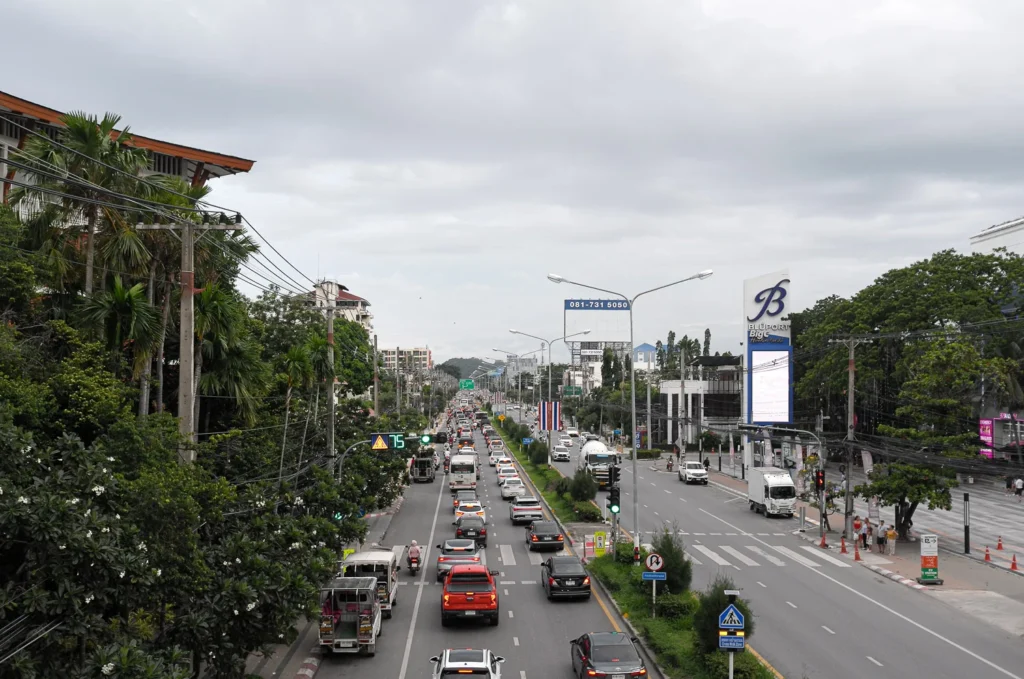
Driving to Hua Hin from Bangkok will take around 3 hours or less, and around 4 hours during major holidays.
Alternatively, we would recommend renting a car or motorbike after reaching Cha-am or Hua Hin by train or bus, although only if you have the proper licence. Phet Kasem Road, which runs through both towns, is fairly straightforward to drive on. Compared with Bangkok’s traffic and driving habits, the roads here are relatively easy to navigate.
That said, caution is still needed on the main road, where drivers often travel at or near highway speeds, especially along the stretch between Cha-am and Hua Hin. You may also find yourself making U-turns quite often, so extra care should be taken when doing so.
For those unfamiliar with driving in Thailand, we would advise against renting a car in Bangkok and driving down from there.
Many attractions, restaurants, and cafés are scattered across the area, while some hotels are difficult to reach without a car. Ride-hailing services such as Grab are available, but they still have more limitations here than in Bangkok.
Train to Hua Hin
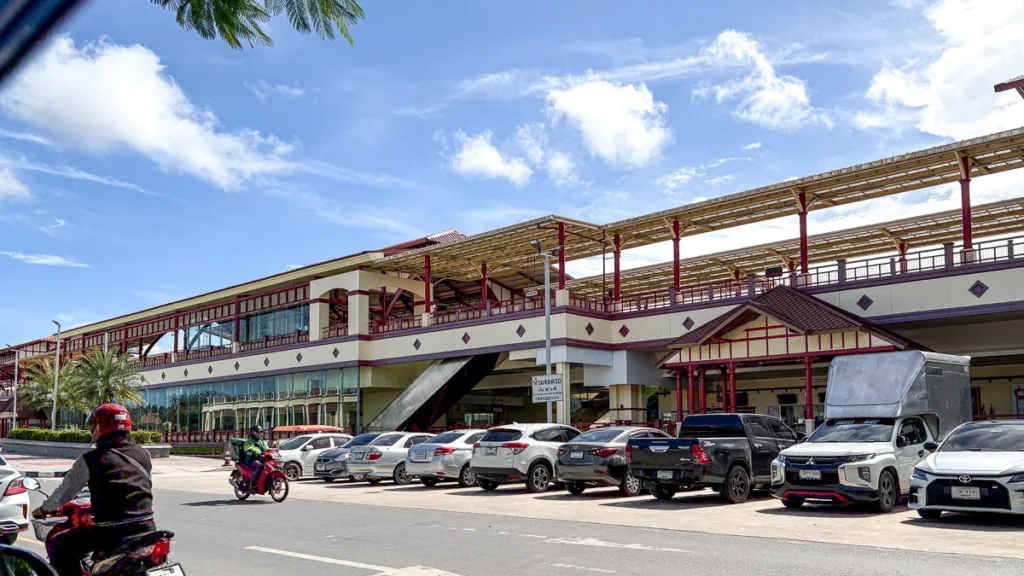
The train to Hua Hin will take around three to five hours, departing from Thonburi Railway Station, Hua Lamphong Station, and Bang Sue Station.
The Normal Train (Fan): Namely 251 (departure 13:10), 255 (departure 7:20), and 261 (departure 9:20), which are often recommended as the best times. The cost is only around 40 THB or roughly 1.5 USD. And it will take approximately 4 and a half hours.
The Express Train (Air-Conditioned): 43 from Krung Thep Aphiwat (Bangkok Bang Sue), departing at 7:30. The cost is around 330 THB or 10 USD. And it will take around 3 hours.
The afternoon and evening express will take around three and a half hours. The cost is from around 100- 1000 THB, or 3-33 USD, depending on the seating (a sleeping section is also available).
There is also a new CNR Train (Air-Conditioned), basically a newer and cleaner train with pink seats, departing at 16:50 and arriving at 20:20 (three and a half hours)(Train number 31). The cost is around 700-2000 THB, or roughly 20-60 USD, for a sleeping train, ranging from second- to first-class seats and a whole room.
Tickets are available for purchase at D-Ticket (English language is available on the website at the top-right corner globe icon) or at the station (be sure to arrive 30 minutes to an hour before).
Note: Be sure to check the return schedule from Hua Hin as well.
Things to do in Hua Hin Today
Today, we would consider Hua Hin a well-developed town that has not yet been overwhelmed by international overtourism. It attracts mainly local travellers, along with some international visitors, throughout the year—especially during long weekends, when people from Bangkok fill the town.
There are big shopping malls like Blúport and Market Village Hua Hin, countless modern cafes and authentic Thai-style seafood restaurants, and even universities like Stamford International University and Rajamangala University of Technology Rattanakosin (RMUTR).
We will introduce you to some of our favorite places here. For a more detailed guide on where we recommend you stay, the restaurants we frequented, and other places to see and do, visit our Hua Hin Itinerary.
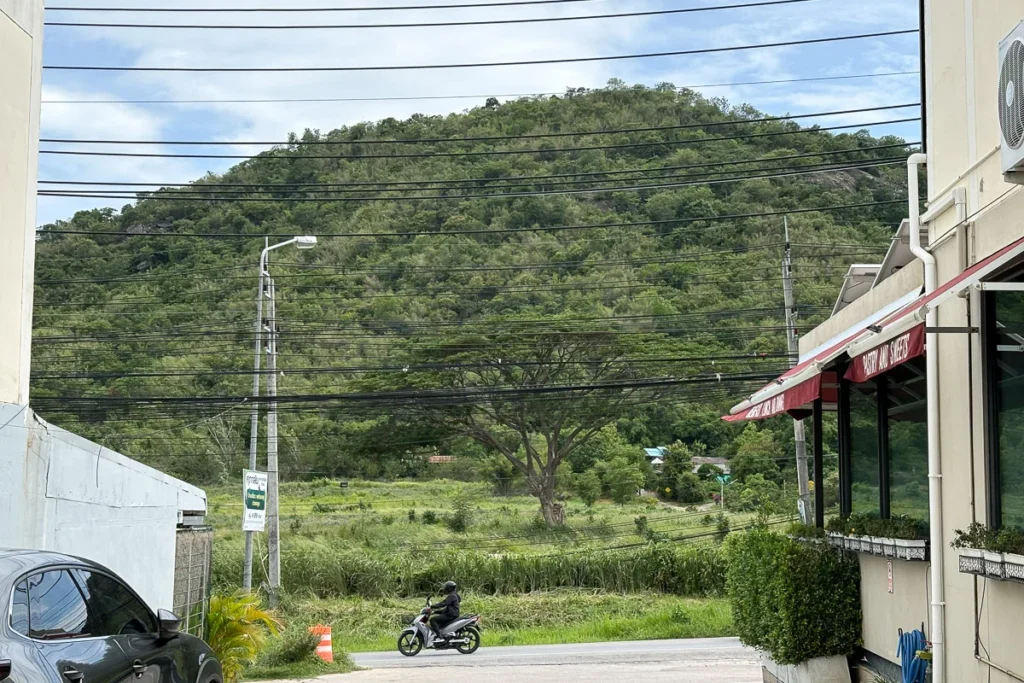
Cafe Hopping
There are many small, modern cafés scattered across Hua Hin, and over the years, quite a few have gained recognition on social media, making café hopping a popular activity in the town. Personally, we have found many good coffee shops, along with a few places serving Thai desserts. However, we have yet to find many particularly good dessert cafés, excluding those specialising in traditional Thai street food desserts.
Recommendations:
- S̄rṇa.สรณะ (used to go there when it was not yet popular; today you can expect a long queue)
- จำบูลาน Jambolan homemade icecream&coffee
- KRAFT CAFE
- The BARN Coffee Lab: Specialty Coffee Roasters
- Gallery Drip Coffee Hua Hin
Thai-style Seafood hub
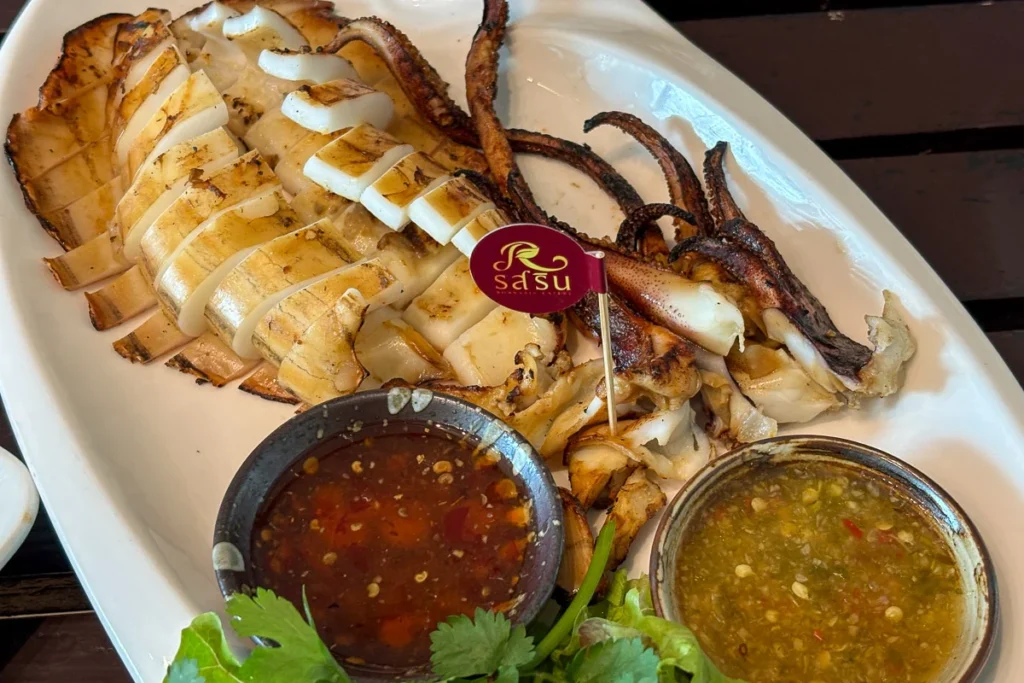
When people think of Hua Hin and Cha-am, many arrive with a craving for seafood—and there are plenty of places to choose from. Most restaurants serve similar dishes; what sets them apart is the flavour, and regular visitors often have a favourite spot they return to every time.
Bonus: Buying freshly steamed crab from the market stalls along Cha-am Beach and bringing it back to enjoy in our room is something my family almost always does.
Fun fact: In Thailand, we have a particular sauce that accompanies almost every seafood meal. It is called nam jim seafood, which translates directly as “seafood dipping sauce.” Spicy, sour, and slightly sweet, it has strong flavours of garlic and coriander, all blended into a fish sauce-based dip. Thai people eat it with almost any kind of steamed or grilled seafood.
At restaurants in Cha-am and Hua Hin, it will usually be served without you even having to ask. We encourage you to try it—provided you can handle the heat.
Recommendations:
- Chomview Seafood (featured on local TV a decade or so ago)
- Baan Itsara Restaurant (one of our go-to)
- Khrua Huai Sai
European cuisine spot
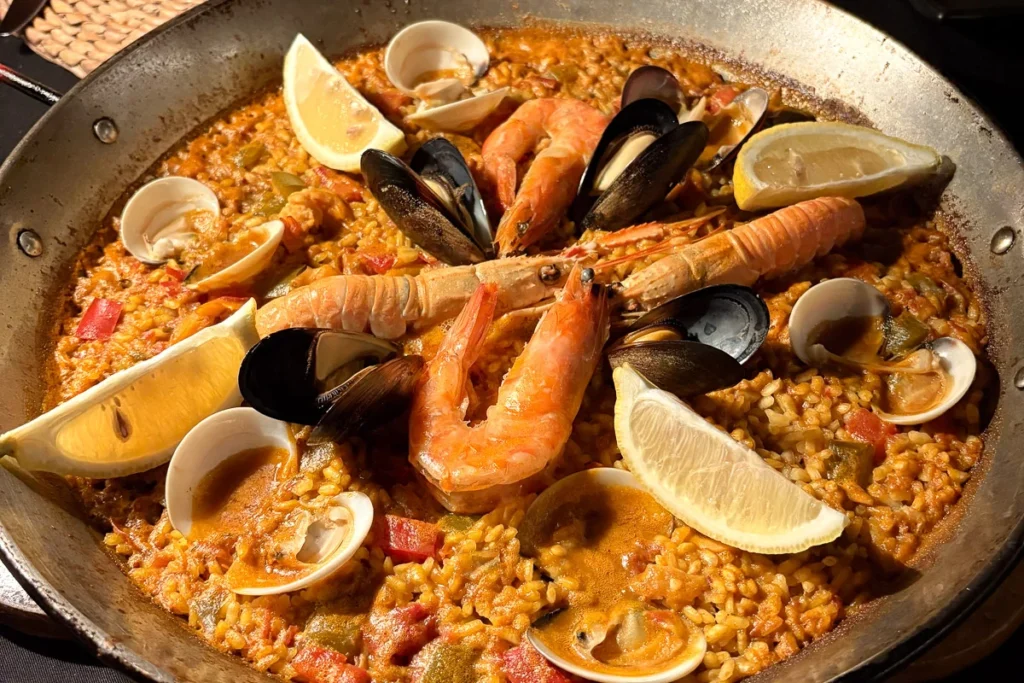
This may not be something you expected; however, Hua Hin is also a place where many Europeans choose to move to or come to spend their retired life in, and some marry a Thai person. With them, some brought along authentic food to the town; personally, we find Italian and Spanish to be most prominent food-wise.
Recommendations:
- Little Spain
- Pane & Focaccia
Markets and Night Markets
A must-do activity when you are in Hua Hin is to visit the Night Markets, enjoy the local street food, and buy some souvenirs. The two we recommend are Hua Hin Night Market, which is a classic night market experience along the road, and Cicada, which is a more curated experience, with performances and artistic aspects.
Recommendations:
- Chatchai Market (early morning to evening every day)
- Hua Hin Night Market (every day from 6 pm to midnight)
- Cicada Night Market (Friday to Sunday, 4 pm-11 pm)
Doing Nothing Much
The most obvious answer—and perhaps one of the most popular choices—is simply to do very little. Among friends, family, and relatives, a trip to Cha-am or Hua Hin, doing nothing but eating and visiting the night market, somehow seems to be the default plan.
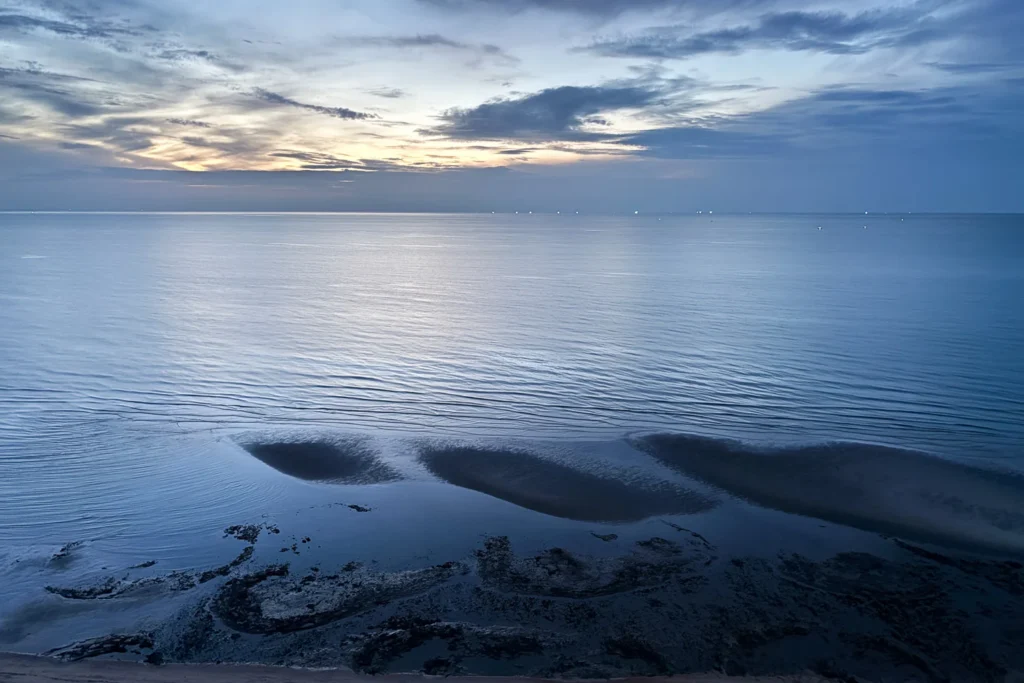
As Thais, many of us come here simply to relax at the hotel, enjoy the breeze from the balcony, swim in the pool, sit by the semi-private beach belonging to our accommodation, and enjoy the quiet. Cha-am and Hua Hin offer the feeling of being on holiday without the need to go out and do all the things people are expected to do while travelling. It is simply a change of pace before returning to everyday life. Alternatively, we also find Samui Island the perfect place to relax.
For some, the area is also the setting for a first trip with a group of friends, a university club, or an office outing. They may rent an affordable pool villa, sit around and get to know one another, visit the market, buy ingredients and fresh seafood, and cook a meal together. A café in the morning, the night market in the evening—and sometimes, that is all there needs to be.
For many Thai people, Cha-am and Hua Hin are places of relaxation and fond memories. They have a character of their own: neither too loud nor particularly eager to boast, but special in their own quieter way. We hope that, should you choose to visit these beach towns, we believe you will also find your own way to see and enjoy them. For more memorable destinations around Bangkok, we recommend our itinerary for the Kanchanaburi Road Trip.
If you like spending time on the beach, we also recommend Okinawa, Japan, as a great place to do so.
May you enjoy your trip,
Travel Tegami