
How you choose to travel a country affects the ‘essence’ of the experience you receive. Explore the differences in exploring Japan by driving and by taking the train based on our experience. Also, see a rough plan of our trip in Kansai, which we will provide as an example using both train and car rental services, as well as some tips we will provide towards the end.
Quick Navigation (Table of Contents):
The Differences Between The Two
Dear Readers,
As a country with an exceptionally advanced train system, driving in Japan may seem less like an attractive option or something many do not even consider. However, even with such a system, there is still a wide gap in how many places you can go compared to driving around, and a noticeable difference between the experiences you can receive.
Let us guide you through the differences and how we choose to travel around Japan.
In this article, we are focusing more on traveling in Japan outside of the big cities like Tokyo or Osaka, as driving in big cities feels like an almost pointless struggle.
We will first take you through the key areas of difference we notice between taking a train and driving:
The Convenience and Efficiency
To simply explain, by taking a train, you can reach your chosen destination very conveniently, and with the help of Google Maps or other applications, with a little getting used to, it is not hard. Especially with hotels near every major station, it brings the level of convenience to an even higher level; reducing the distance you need to walk or drag your luggage makes a big difference. With that said, using it efficiently requires a bit more research.
With such a complex train system in large cities, there also comes a challenge in navigating them efficiently. For instance, in large cities, there are a few types of trains you can choose to take, from the local line (futsu-densha, kakueki teisha, 各駅停車), rapid (Kaisoku, 快速), express (Kyuko, 急行), limited express (tokkyu, 特急), and shinkansen (新幹線); the number of options and frequency drops as you move to the countryside or less populated cities.
The difference between them is basically where they stop and price; the local train will stop at every station, and that may not be an ideal thing. The Rapid Line will stop at fewer stations, and the limited express line will stop at only the major stations. Sometimes you find yourself in the right direction but on the wrong train, which, although take you to your destination, you end up being on the train for longer than needed.
This is an example of an extra thing that needs some getting used to or research when planning your trip. After you have done that research, also prepare some time for you to get lost in the big stations.
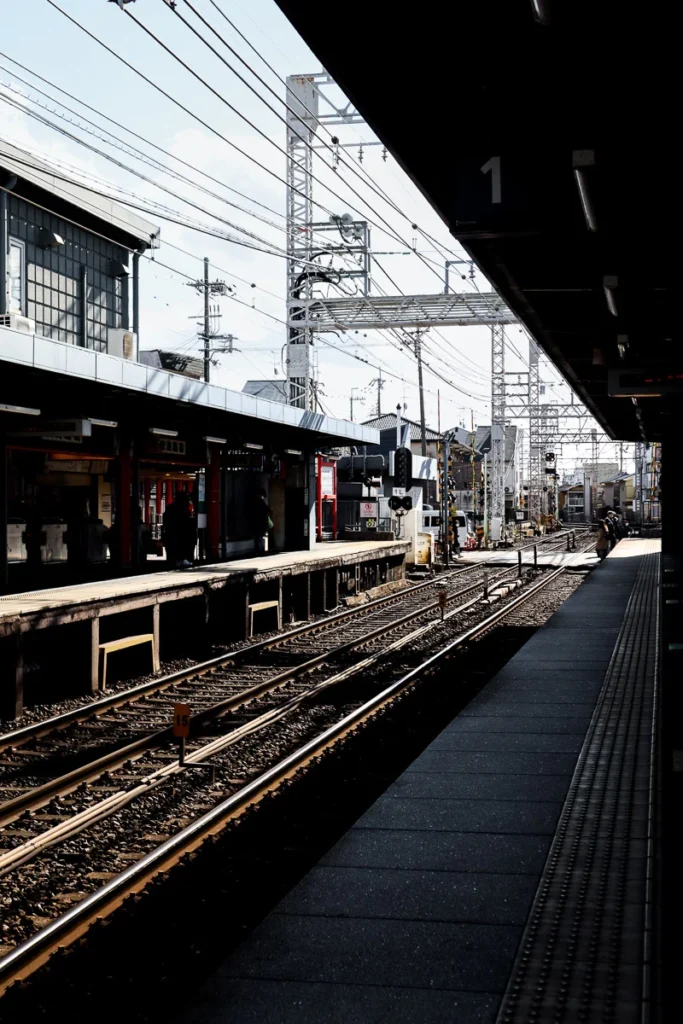
There is also a little struggle in some moments, like when you are trying to find the platform your train will depart from, or standing in the train praying that you got on the right one.
As far as stress goes, trying to manage a whole group of people or children around a crowded train station or getting to a reservation on time is not the most relaxing experience.
With a car, we are able to get to where we want by simply following a line on the map. Just a few moments of adjustment to the traffic flow and regulation, and it is quite stress-free (not for major cities).
The Time
The time we are referring to is both travel time and the time as a restriction.
Taking a train in Japan can be a lot faster than driving a car when you are travelling between prefectures with the Shinkansen. But a train leaves on schedule, meaning we do not just come up to a platform and leave right away; time must be planned for purchasing a ticket, waiting around in the stations, and then coming early to find where you sit in the train, which is also a part of the time needed.
At some popular destinations, certain trains are available at certain times, which means a restriction on the time you may have to explore a place. To elaborate, if there is a train every hour, it means you may end up waiting for a long time around the station in case you missed the previous one.
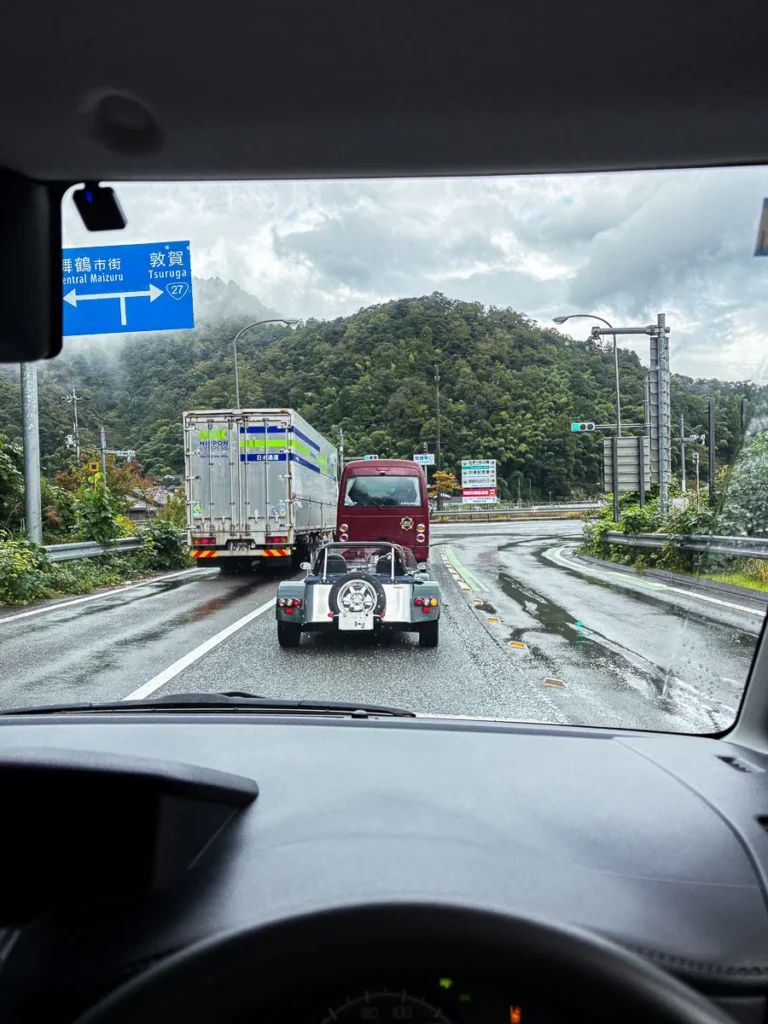
That is why, although driving may sometimes take longer, in the sense of perception of time, it may not feel so, as you are not so strictly bound by time and can freely choose to go whenever you feel like. The difference between sitting still for hours and the ability to stop here and there also makes time flow by differently.
Personally, we find that having a car allows us to explore more freely and less stressfully, which also makes experiences feel better as we are continuously in a good state of mood and mind to explore.
The Destinations
With the number of stations you can stop at in Japan, travelling by train is never boring. But at every place you stop is always a set place, which can feel generic, seeing the same thing as any other people, stopping by at the same place, and also falling into traps designed to attract tourists.
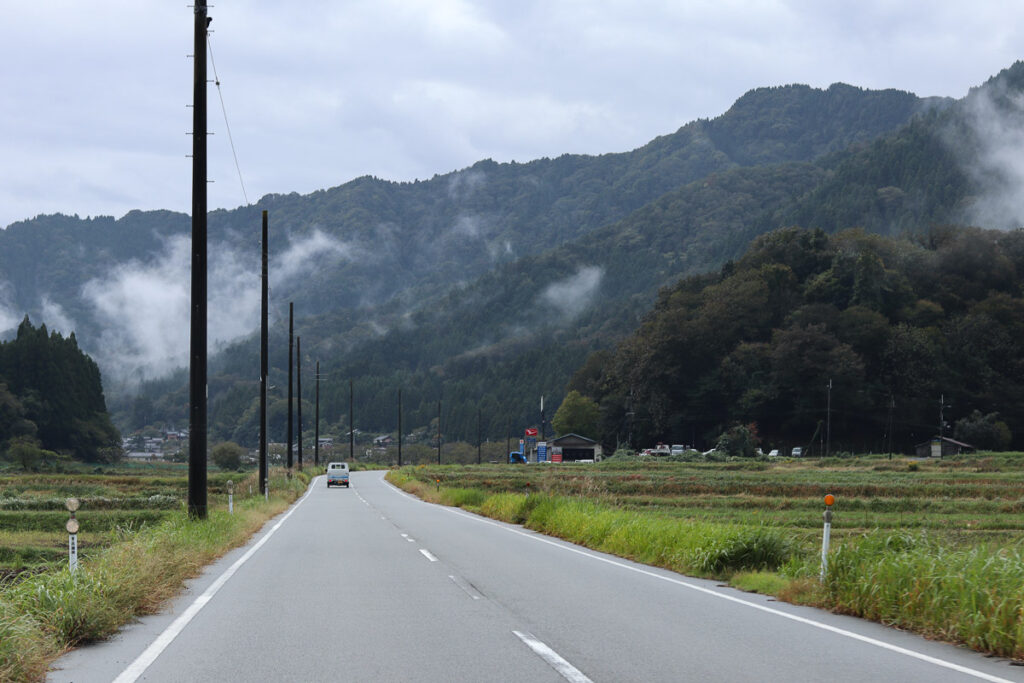
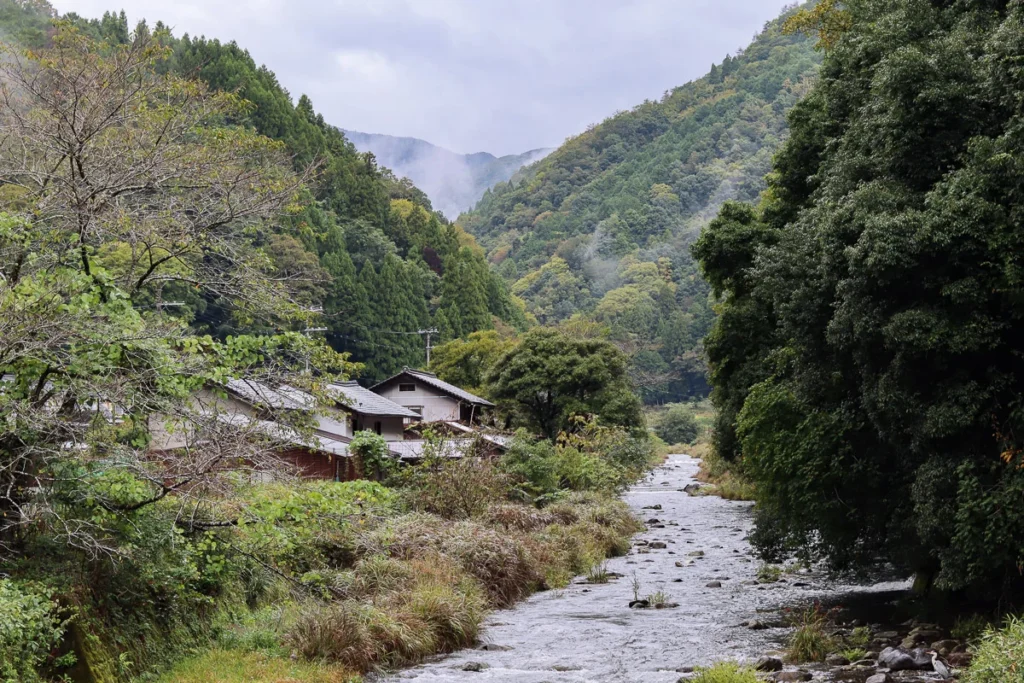
In the countryside, a car became a must when you want to explore the local spots and hidden gems around. It allows you to explore the part of Japan that a train does not reach. It is also the part of Japan we have fallen in love with most.
The Cost
The advantage of taking a train is that it will be cheaper. Even though trains like the Shinkansen, bullet train, are not cheap, it is more affordable than renting a car, of course, depending on your plan as well.
A car has hidden costs, apart from the rental cost and insurance, you also have fuel costs and the cost of tolls to worry about, and tollways in Japan are expensive.
When to use the train and when to drive
These areas of difference we mention are heavily focused on traveling around Japan, on the bigger picture, covering other prefectures, and the rural part of the country.
This brings us to the question of when? If we are strictly talking about major cities, then there is almost no reason for you to rent a car, as both the roads, traffic, and parking are added stress factors. If you are travelling to cities like Tokyo and Osaka, taking the train is the cheaper option for your budget.
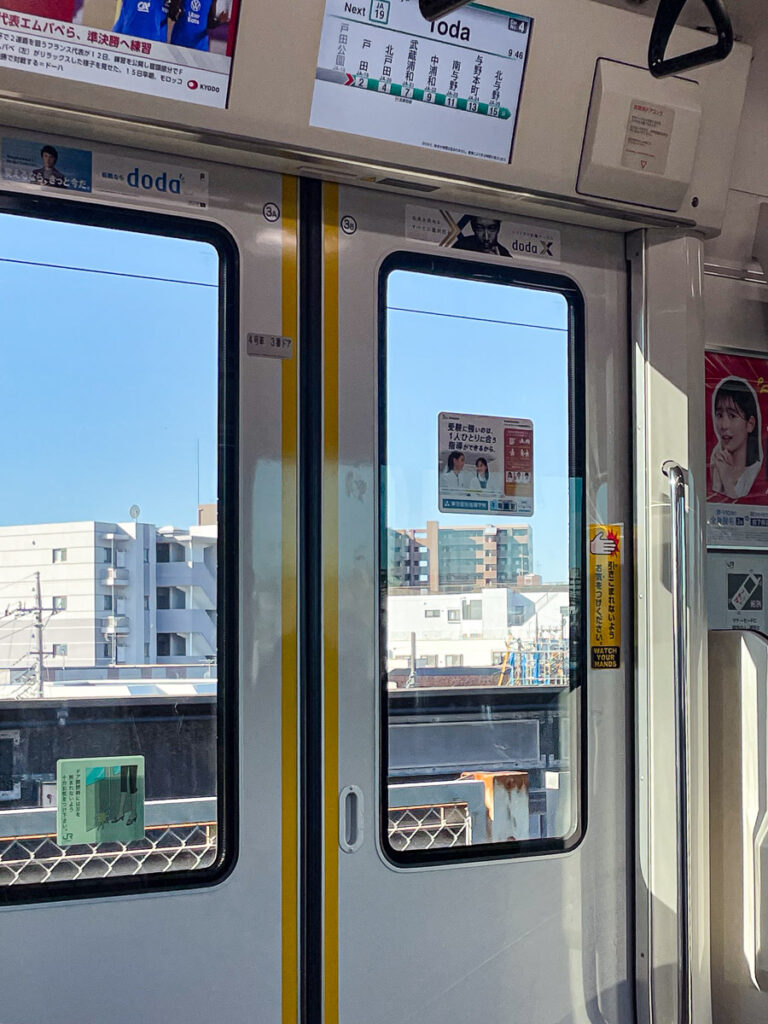
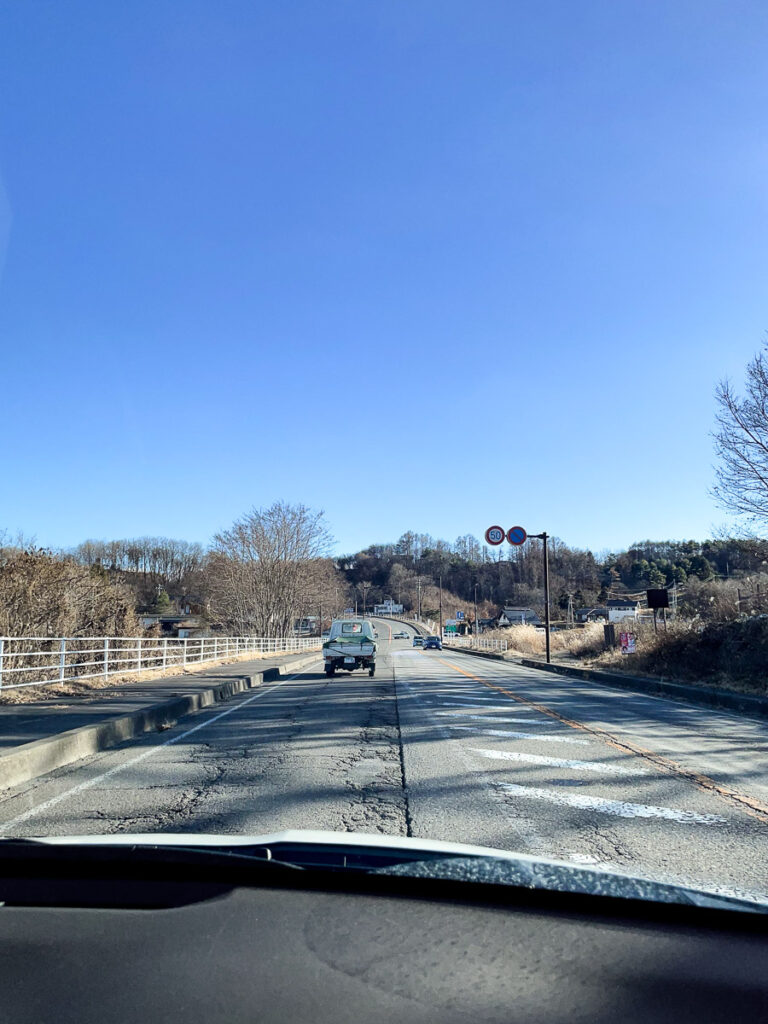
Our Balance of travelling by car and by train in Japan
After travelling in Japan for some time, we found a balance between using both the car and the train to travel around Japan more efficiently. Let us take you on a small trip with us around Japan.
The Basic Idea is to use both. We will use our trip in Kansai to better illustrate:
How We Plan Our Trip Transportation (example plan)
This trip, we will be spending 14 days exploring Osaka, Kyoto, Fukui, Hyogo, and Kobe, before departing from Kansai International Airport back in Osaka.
When you are planning a trip to Kansai, the Kansai International Airport in Osaka is probably where your plane will be landing.
We first spend a night or two in Osaka, experience the busy and bustling city vibe, and the nightlife of Osaka, before leaving for our next destination, Kyoto. With all the destinations in mind, getting a rental car is already a must; the question is, when should we?
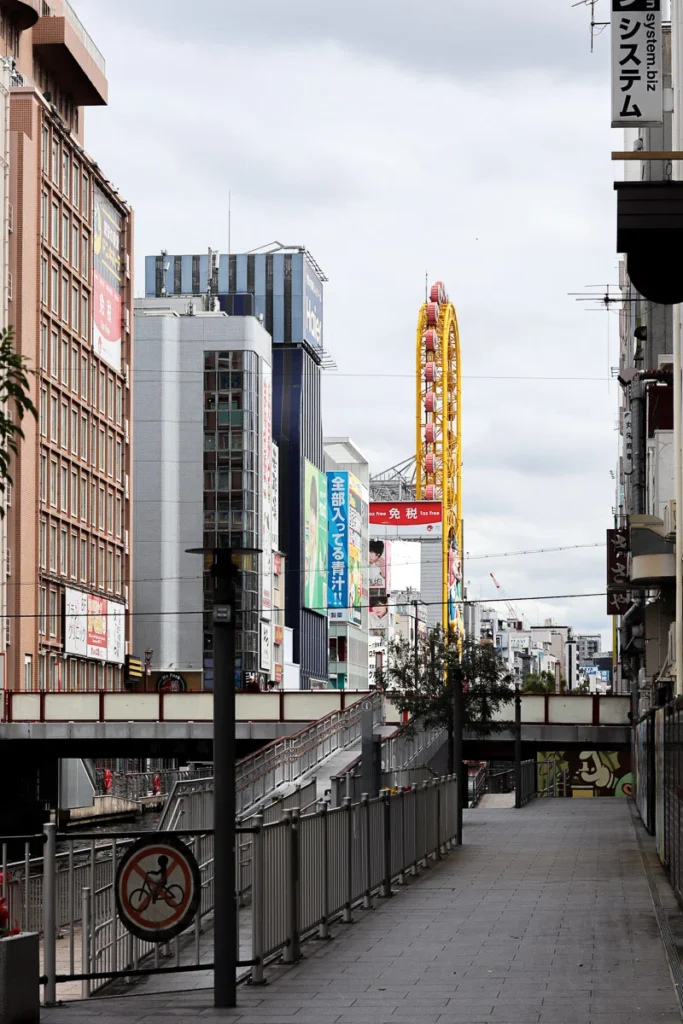
The first thing that comes to mind would be renting a car from Osaka, which is something we have done, but with that came some inconvenience. The first thing is to drive out of Osaka, from our experience, driving in big cities is often more stressful and harder to navigate, which lane do I have to be in, can I pass through this alley, do I go up this tollway?
These are the questions you will find yourself questioning, and that makes for a stressful drive, especially if you are driving in Japan for the first time; it can be a little overwhelming.
So instead, we will first take the Shinkansen to Kyoto, which will save you both the travel time and a few days of car rental costs. Shinkansen from Osaka to Kyoto will take only 13 minutes; in comparison, driving there will take around an hour. Furthermore, you probably won’t need a car when you are in the city center part of Kyoto; the hotels there will likely also not have a parking space for you, meaning you will be spending more on parking fees.
With that, we chose to take the Shinkansen to Kyoto instead and stay there for two nights. What if we also want to explore the Kyoto countryside? You may ask. We will answer that shortly.
After our stay in Kyoto, we will be getting our rental car, and the return address will be the same place, as you have to pay more to return it somewhere else. With a car, we head out towards Fukui.
As mentioned before, with a car, our options to explore increase. In Fukui, we stopped by Kumagawa, stayed there for two nights, then went on to explore Obama city, staying at a small seaside town for a night, one we would not have gone to without a car.
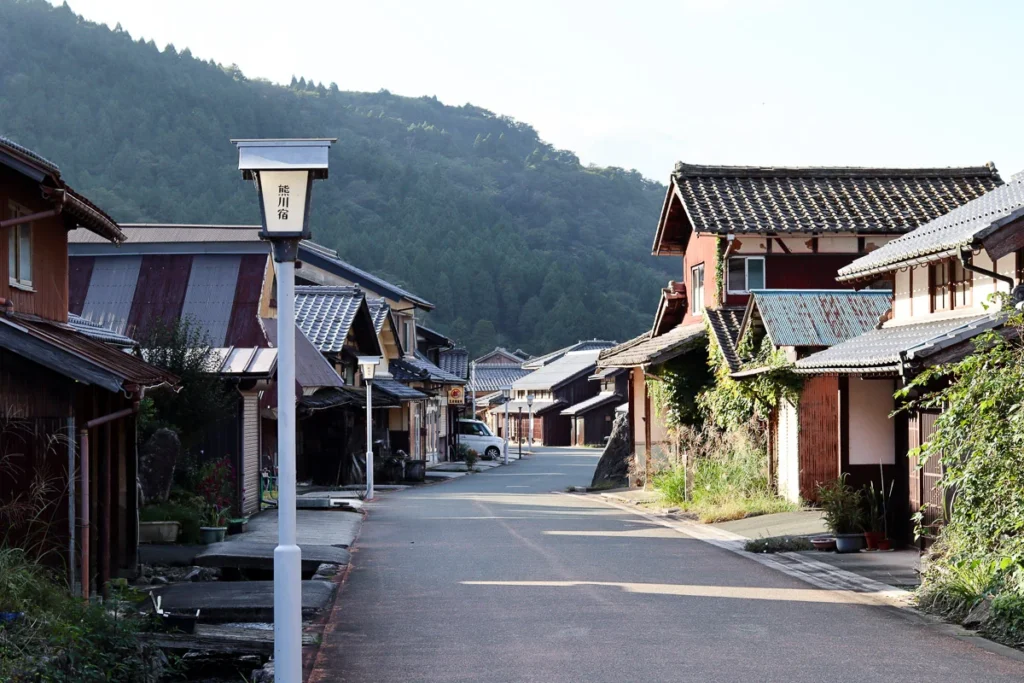
From there, we go all the way to Toyooka, in Hyogo Prefecture, where we spend a night at a camping ground. We then drive down the northern part of Hyogo, passing places like Asako, and then stopping by at Kyotamba, a town in the countryside of Kyoto.
This point is where we spent three days exploring the countryside of Kyoto, before returning our car at the same rental in the city center. During the three days, we spent our time exploring around the town of Kyotamba, driving out to eat at a local spot in Hiyoshicho Goma, all of which you can see in more detail in our article on a road trip from Toyooka to Kyotamba.
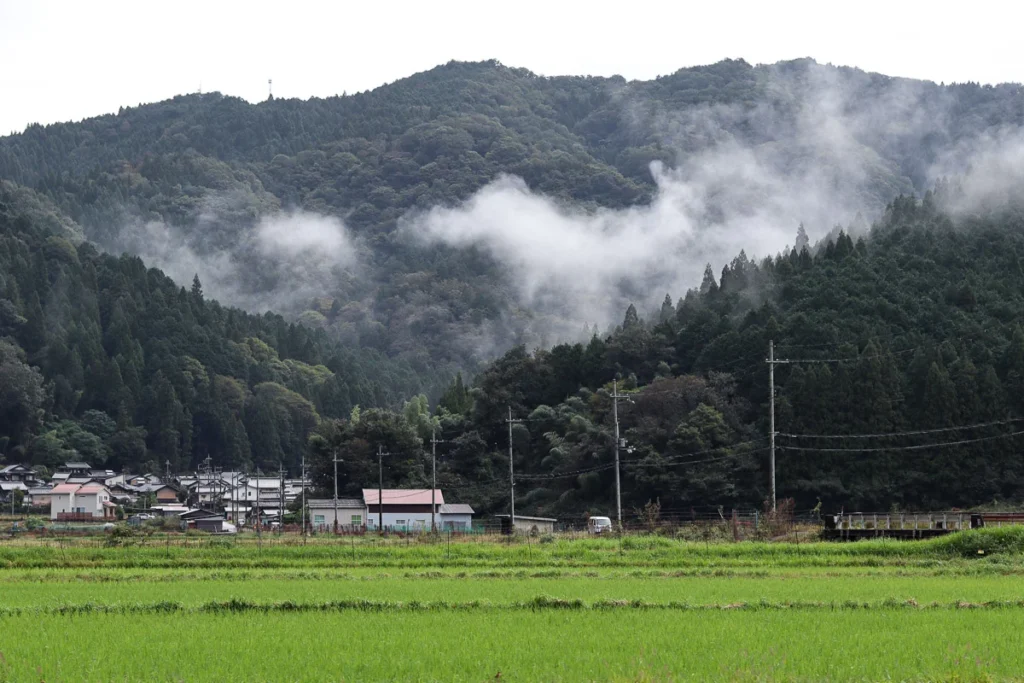
We also visited Kayabuki No Sato in the northern part of Kyoto, which we listed as an alternative to the famous Shirakawa-go.
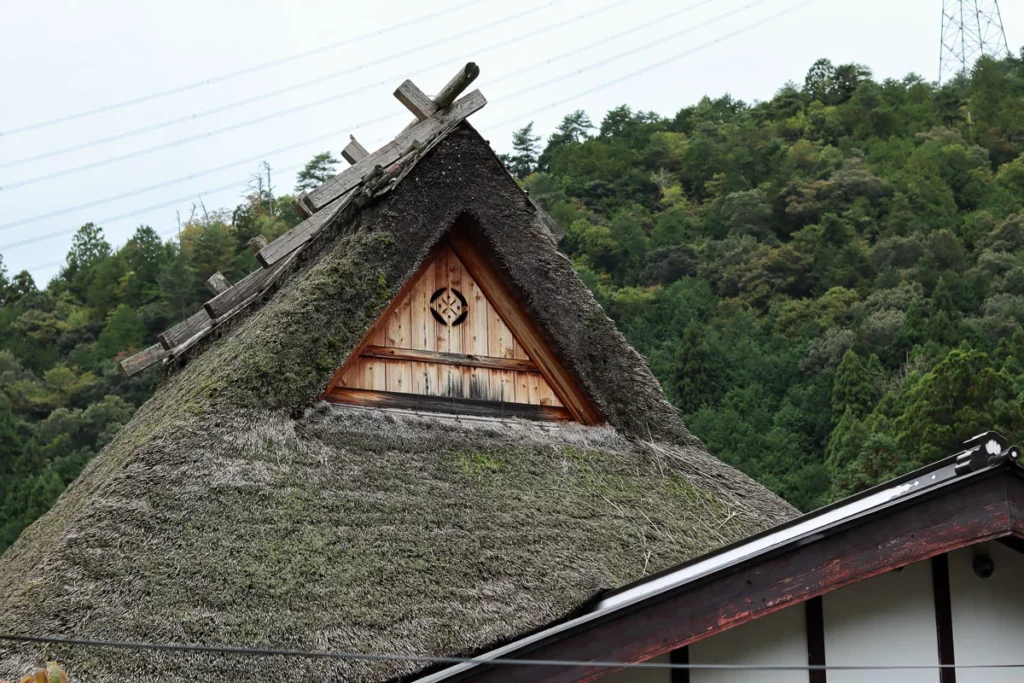
After returning our car:
One option after this is to take the Shinkansen back to Osaka, stay there for a few nights before departing, or, the second option, and a little tip for you when you are in Kansai.
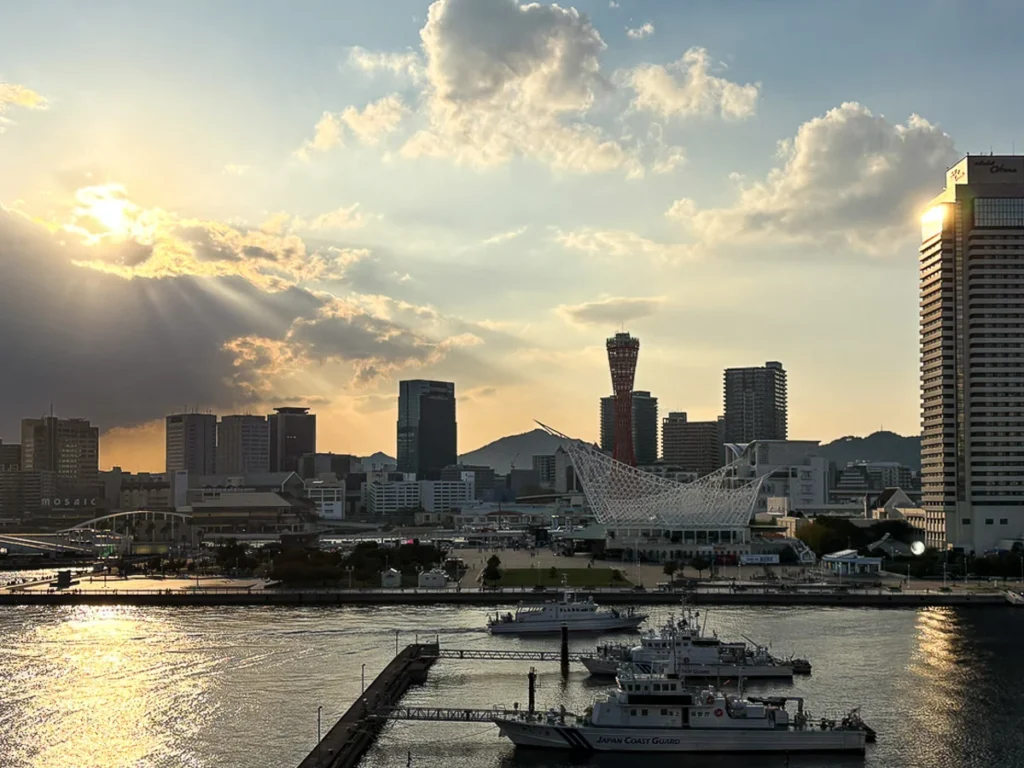
That option is Kobe. Not many tourists know this, but there is a ferry that takes you from Kobe to Kansai International Airport, and it takes only 30 minutes, with a ferry available almost every hour. We have lately been frequenting this service when we visit Kansai, sometimes going straight to Kobe by the Airport Bay Shuttle after our plane has landed instead of getting into the city center, then spending the last few days before departure in Osaka instead.
With that, we took the train from Kyoto and headed to Kobe. Do note that doing this is not the most efficient, as you do have to stop and change lines at Osaka anyway if you are trying to go to Kobe from Kyoto by train; we only planned this part due to our other schedule and availability at certain places that make it the only available slot.
*This is only a guideline for you to plan your own route and transport using both train and car. Our overall trip might not be the most efficient or best available route to explore, as it was tailored to our bucket list for that trip, which ended up limiting some options.
Should I travel by train or by car on my next trip to Japan?
In short, we encourage you to mix it up, use both train and car, and feel the difference between them firsthand. Use the public train service in the city, and during long travel, use a car rental service when you want to explore around the rural part of the country, see the mountains and rivers, stop by in random towns of your liking, and experience the part of Japan outside of major cities and tourist spots you may have never seen before.
Of course, if you have been reading this far, please feel free to try out the same general plan we have given. It was one of our best trips in Japan. Otherwise, we also encourage you to switch things up and find what works best for you.
Reduce the time you spend exploring by car if you want to rely more on the train or save some cost, shorten the plan if you have less time, add places if you are staying longer than 14 days, head down to visit Kawaji Island or Shikoku instead, then come back to Kobe before taking the ferry to Kansai Airport, etc.
By utilizing both train and car to travel around Japan, you can explore many options for travelling and route planning, and go out and explore places you don’t often see on social media.
If you land in Tokyo, take the train to Nagano, and rent a car to visit places like Narai-Juku and Kamikochi. If you land in Fukuoka, take a train to Kumamoto, then rent a car to Mount Aso and neighboring prefectures like Oita and Miyazaki. Feel the difference between travelling by train and travelling by car around Japan, see what suits you best, and mix things up and enjoy more of Japan!
We hope you enjoy exploring,
Travel Tegami